World Cup fans stay home as costs, visas and politics bite
Some of World Cup's most loyal travelers are skipping the 2026 tournament as ticket markups, visa hurdles and politics reshape the fan base. Hotels and fan zones may feel the absence.
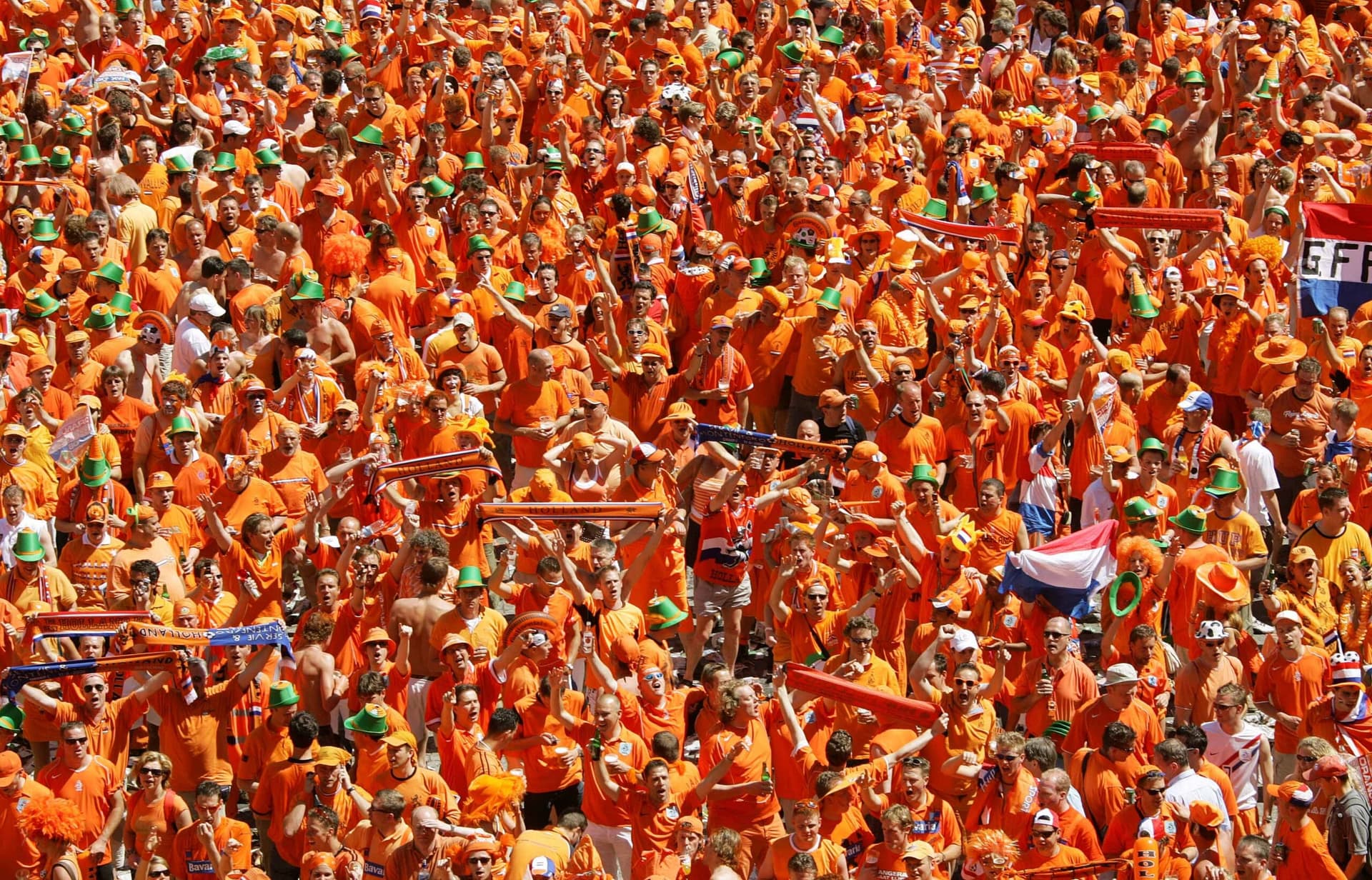
Fans who have long built their lives around following national teams across continents are staying home for a World Cup that should have been irresistible. With tickets pricier than in past editions, travel between host cities stretched across the United States, Canada and Mexico, and U.S. visa rules turning away some nationalities, the tournament has become a harder sell for the supporters who usually go no matter the inconvenience.
The 2026 tournament runs from June 11 to July 19, spans 48 teams and 104 matches, and is spread across 16 cities. That scale has turned loyalty into a logistics problem. One London-based IT worker who has attended four World Cups said he will watch from a beach in Portugal instead of crossing the Atlantic. An Argentine doctor plans to see only two early matches before flying home. A Dutch fan who once watched the final in South Africa said he will not travel to the United States, no matter how far the Netherlands advance.

Cost has become its own barrier. FIFA launched its official resale and exchange marketplace in September 2025, and later reporting on the platform described a 15% fee on both buyers and sellers, leaving a 30% combined cut on each resale. Fans say that structure, paired with unlimited resale markups, pushes ticket prices even higher and rewards speculation at the expense of ordinary supporters. For travelers already weighing flights, hotels and inter-city transport across North America, that can make attendance feel out of reach.
Politics is adding another reason to stay away. Some supporters are choosing to protest President Donald Trump’s policies by not attending at all, a sign that the social contract around mega-events is fraying. FIFA has spent decades selling the World Cup as a global gathering open to everyone, but the people who supply much of its atmosphere are now questioning whether they are still welcome.
The strain is already visible in travel and lodging. Uruguay’s travel agency association said its packages cover about 3,000 fans, far fewer than in past tournaments. The American Hotel & Lodging Association said U.S. hotel operators had spent years preparing for the event, but many host-city properties were still reporting reservations running well behind expectations in May. If those patterns hold, the World Cup may still draw huge television audiences, but the stadiums, fan zones and city streets could feel thinner, quieter and less international than FIFA has long promised.
This article was produced by Prism’s automated news system from verified source data, official records, and press releases, then run through automated quality and moderation checks before publishing. The system is built and supervised by the people who set the standards it runs under. Read our full AI policy.
Know something we missed? Have a correction or additional information?
Submit a Tip