World Cup gives North America transit systems a huge test
Millions of fans will be funneled through trains and buses as 48 teams play 104 matches. In Los Angeles, New York and Toronto, transit agencies are racing to prove they can handle the crush.

The World Cup is about to turn North American transit into a live stress test. With 48 teams playing 104 matches across 16 host cities in Canada, Mexico and the United States, the tournament will force rail and bus systems to move massive crowds between stadiums, hotels, airports and downtown fan zones from the opening match on June 11 to the final on July 19.
The stakes go well beyond getting people to kickoff on time. Transit agencies are being judged on the basics that shape the fan experience: clear wayfinding, frequent service, simple fare payment, accessibility and coordination across city lines. A smooth trip can make a host city feel organized and welcoming. A crowded platform, a missed connection or a confusing transfer can define a visitor’s memory just as quickly.
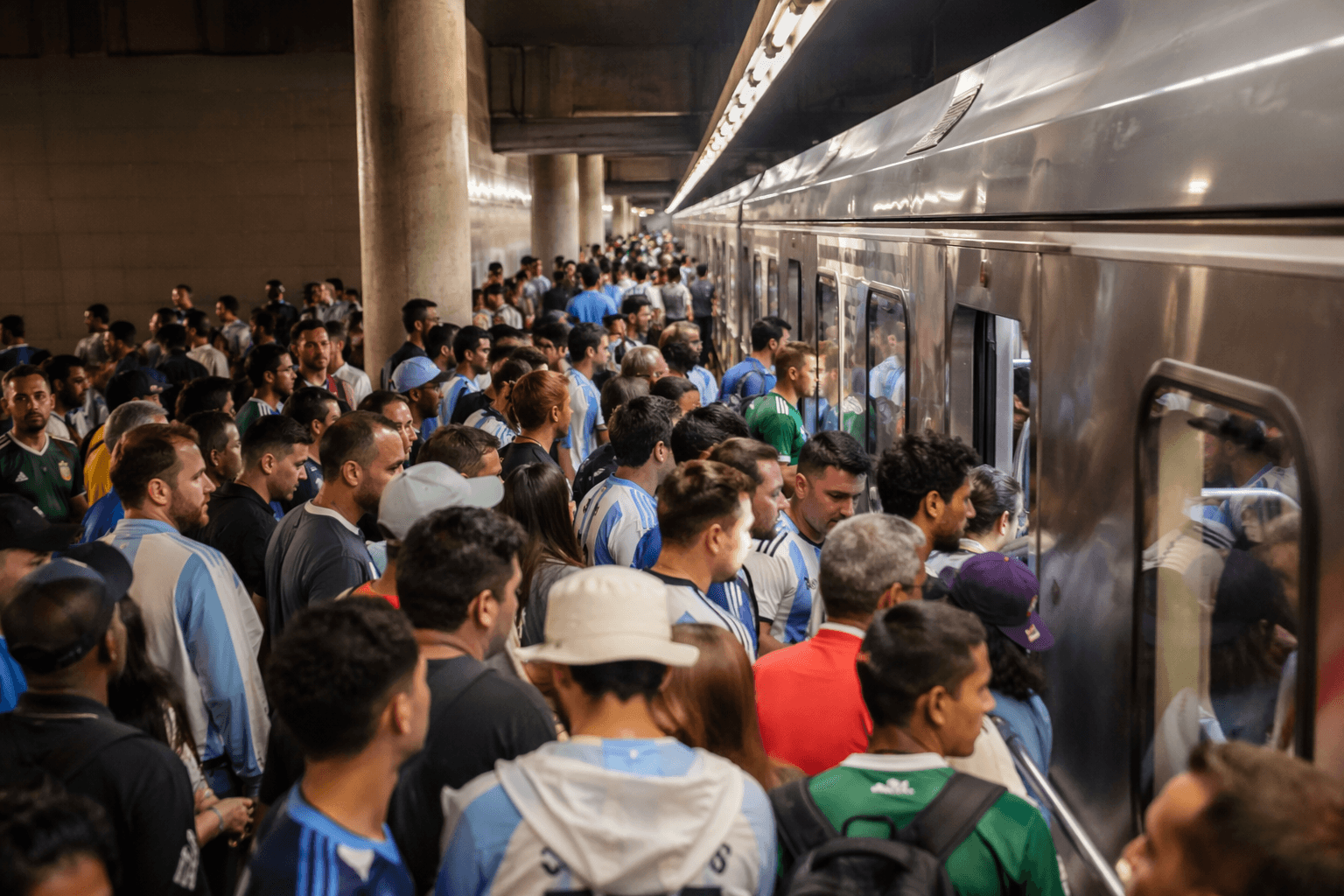
In Los Angeles, Metro has already published World Cup rider information that includes transit-planning tools, park-and-ride locations and match-day travel tips. The agency says riders can pay with contactless tap on buses and at train stations, and its fare structure includes a $1.75 regular fare with daily and weekly caps. Conan Cheung, Metro’s chief operations officer, said the agency wants fans to be able to use the system seamlessly from the moment they decide to attend the tournament through the matches and on the way home afterward. That goal captures the larger test facing the region: whether transit can look like a reliable part of a trip rather than an obstacle to it.
At New York New Jersey Stadium, NJ TRANSIT is planning service to begin about four hours before events, with trains running every 10 to 20 minutes. Match tickets will include the transfer at Secaucus Junction, an important detail for fans moving through one of the busiest rail funnels in the country. The timetable is designed to absorb pregame surges and reduce pressure on parking, roads and airport access.
Toronto’s plan shows how much coordination the tournament will demand from every level of government and transit. The city says match-day crowds at Toronto Stadium are expected to top 45,000 spectators per match, while as many as 20,000 people could visit the FIFA Fan Festival at Fort York National Historic Site and The Bentway on as many as 22 operating days. Its mobility plan was built with the Toronto Transit Commission, Metrolinx, the Ontario Ministry of Transportation, Toronto Police Service, Toronto Emergency Management, the Toronto Parking Authority, the Greater Toronto Airports Authority and Billy Bishop Toronto City Airport. The city is also using a unified mobility coordination centre to monitor conditions in real time.
If those systems work, the World Cup could leave behind more than a month of crowded stations and packed buses. It could strengthen ridership habits, improve public confidence and give transit agencies a stronger case for future upgrades that last long after the final whistle.
This article was produced by Prism’s automated news system from verified source data, official records, and press releases, then run through automated quality and moderation checks before publishing. The system is built and supervised by the people who set the standards it runs under. Read our full AI policy.
Know something we missed? Have a correction or additional information?
Submit a Tip