World Cup hosts face soaring costs, backlash over ticket prices
World Cup fans faced $100-plus transit fares in New York and New Jersey as host cities warned of security bills and sticker shock. FIFA’s $60 ticket tier did little to calm backlash.
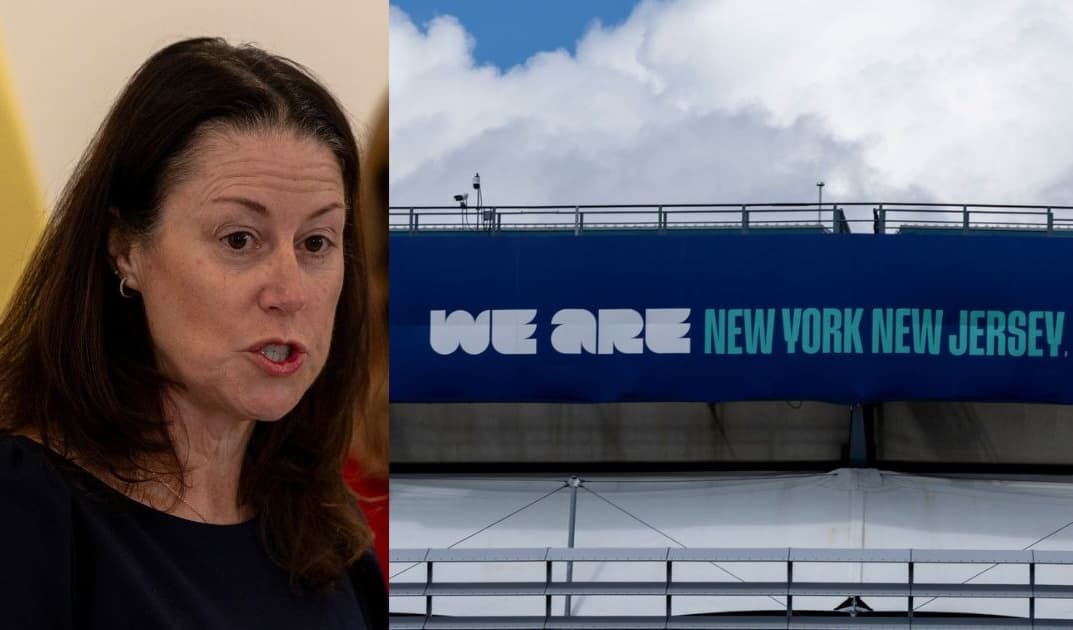
The 2026 World Cup opened with the promise of civic prestige, but host cities were already confronting a harder reality: soaring security bills, transit strain and ticket prices that have fueled public backlash. The tournament runs from June 11 to July 19 across 16 host cities in the United States, Mexico and Canada, with 48 teams and 104 matches. The United States is set to host 78 of those games in 11 cities, and FIFA said demand was overwhelming, with 20 million ticket requests in its random selection draw sales phase.
FIFA tried to blunt criticism by setting a fixed $60 Supporter Entry Tier for all 104 matches, including the final. But the move sat alongside dynamic pricing, a system that has drawn sharp complaints as fans saw costs rise well beyond the headline bargain. The gap between the public pitch and the price many supporters actually faced helped turn the ticketing rollout into one of the tournament’s first major controversies.
The bigger fight for host cities has been over who pays for the event itself. Kansas City officials and other local leaders have said the bill for stadium infrastructure, transportation, security and medical support is substantial, with little direct help from FIFA. Kansas City also became a warning case for the rest of the host list when $625 million in FEMA security funding, including $59 million for Kansas City, was released only about three months before the city’s first game after a federal delay. KCUR reported that some police departments said they might not be able to staff FIFA Fan Festivals and other events without that money.
In the New York and New Jersey area, the pressure is different but just as sharp. Officials said NJ Transit faced a $48 million bill to move about 40,000 fans, while New Jersey Gov. Mikie Sherrill and Senate Majority Leader Chuck Schumer publicly urged FIFA to help subsidize transportation instead of leaving commuters to absorb the costs. The Athletic reported that train tickets from Penn Station to MetLife Stadium could climb above $100 for World Cup matches, compared with a standard fare of $12.90. Reuters reporting cited by Al Jazeera said FIFA was facing backlash after public transport costs in the region were reported at more than $100 each way.
The strain has intensified concerns about traffic, crowd control and wayfinding, especially because many visitors will be unfamiliar with local systems. That has sharpened comparisons with earlier World Cups, where fans received more support: long-distance trains were free in Russia in 2018, and Qatar made free metro access part of the experience in 2022. FIFA is expected to generate about $11 billion from the tournament, but host cities are still scrambling to cover the costs, leaving local taxpayers and commuters to carry much of the burden.
This article was produced by Prism’s automated news system from verified source data, official records, and press releases, then run through automated quality and moderation checks before publishing. The system is built and supervised by the people who set the standards it runs under. Read our full AI policy.
Know something we missed? Have a correction or additional information?
Submit a Tip