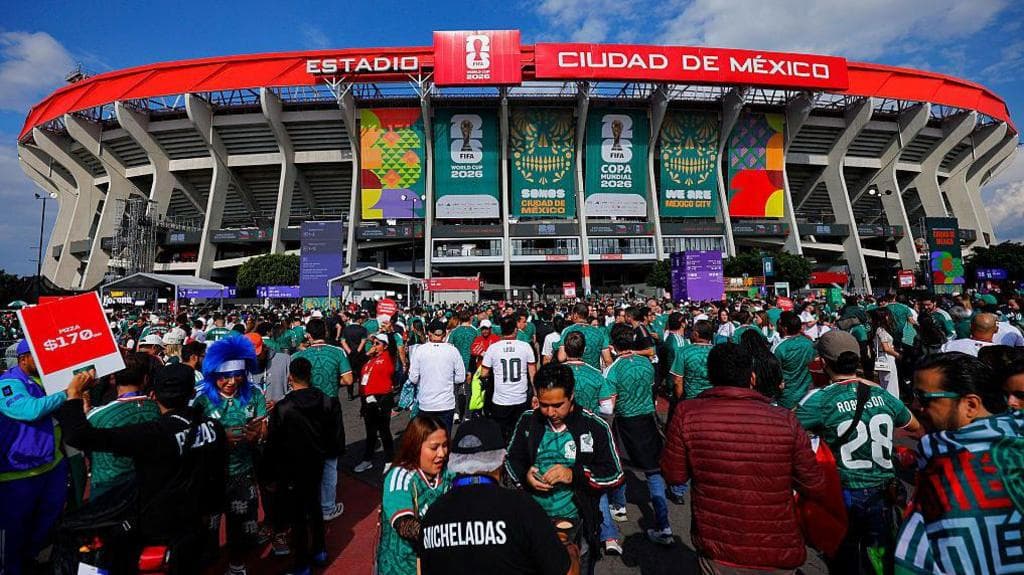
World Cup knockout bracket sets up uneven paths for top teams
The World Cup bracket put Morocco and the Netherlands on an early collision course, while Argentina drew a softer route to the final four.
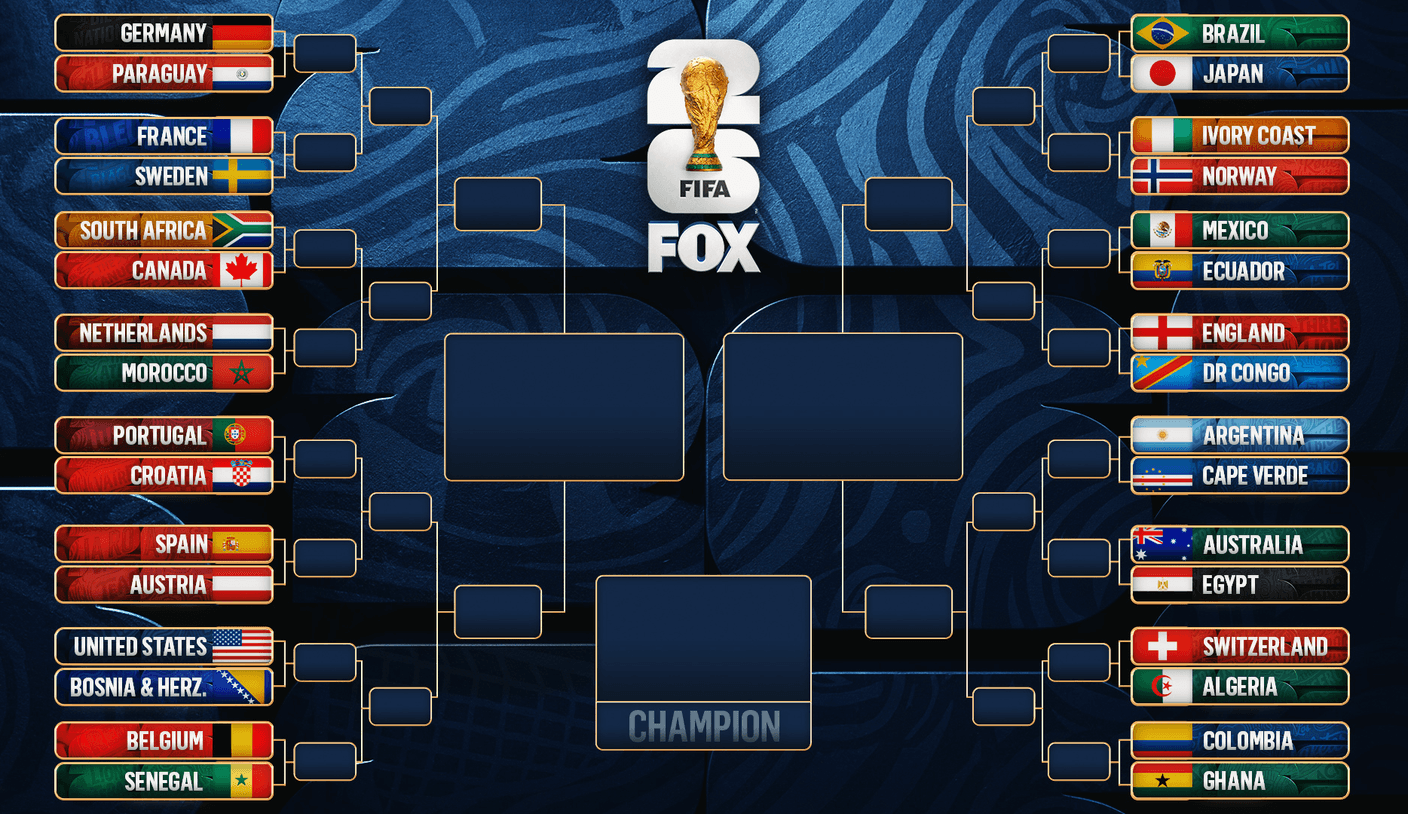
The World Cup’s knockout bracket handed some of the tournament’s biggest names a much rougher route than others, with Morocco and the Netherlands meeting early and one top team set to fall before the Round of 16. Argentina, by contrast, landed on a comparatively favorable path as FIFA’s fixed bracket began to shape the field for the final four.
FIFA published the knockout-stage bracket on May 31, and the first elimination round opened on June 28 after the group stage ended. The 2026 tournament expanded to 48 teams, creating a Round of 32 for the first time in the competition’s history. The top two teams from each of the 12 groups advanced, along with the eight best third-placed teams, and the path to the championship was determined by bracket position rather than by any late-stage selection process.
That structure has practical consequences for competitive fairness. A group winner is not guaranteed the easiest road, and a team that squeezes through in second place can sometimes inherit a cleaner draw. The bracket made that tension visible immediately. Morocco and the Netherlands were set to meet in the Round of 32, an early heavyweight matchup that guarantees the elimination of one side before the round of 16. Argentina, meanwhile, was placed on a route viewed as less punishing than the one facing several other contenders.

The bracket also set up a first-round meeting between South Africa and Canada, a notable matchup because South Africa reached the knockout stage for the first time. Hugo Broos’ side advanced into the round of 32 as one of the 32 qualifiers, giving the African team a rare chance to extend its run in the biggest edition of the event yet. FIFA’s tournament spans 104 matches across 16 host cities in Canada, Mexico and the United States, with the final scheduled for July 19 at New York New Jersey Stadium, formerly MetLife Stadium.
Other pairings showed how quickly the bracket can compress the field. Brazil drew Japan, Germany faced Paraguay, France met Sweden, England drew Congo DR, and Spain was matched with Austria. The setup rewards early resilience, but it also exposes a central trade-off of the expanded format: the group stage can encourage caution, yet the draw can still produce wildly uneven roads once the knockout rounds begin.
This article was produced by Prism’s automated news system from verified source data, official records, and press releases, then run through automated quality and moderation checks before publishing. The system is built and supervised by the people who set the standards it runs under. Read our full AI policy.
Did this article answer your question?