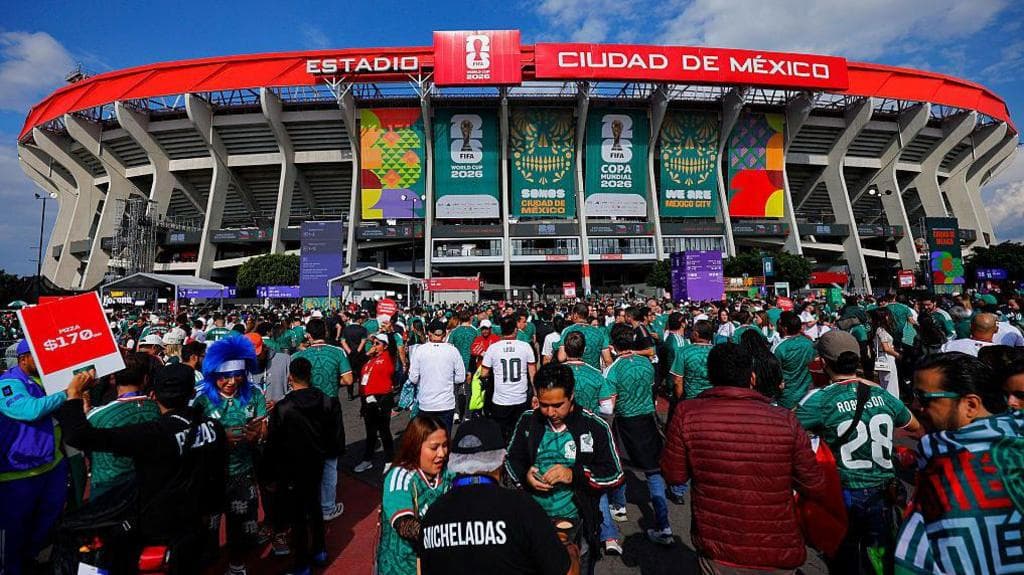
World Cup knockout rules: extra time, penalties, and 2026 schedule explained
No knockout match in the World Cup can end level: if 90 minutes is not enough, teams get 30 more minutes, then penalties, with 2026 running June 28 to July 19.
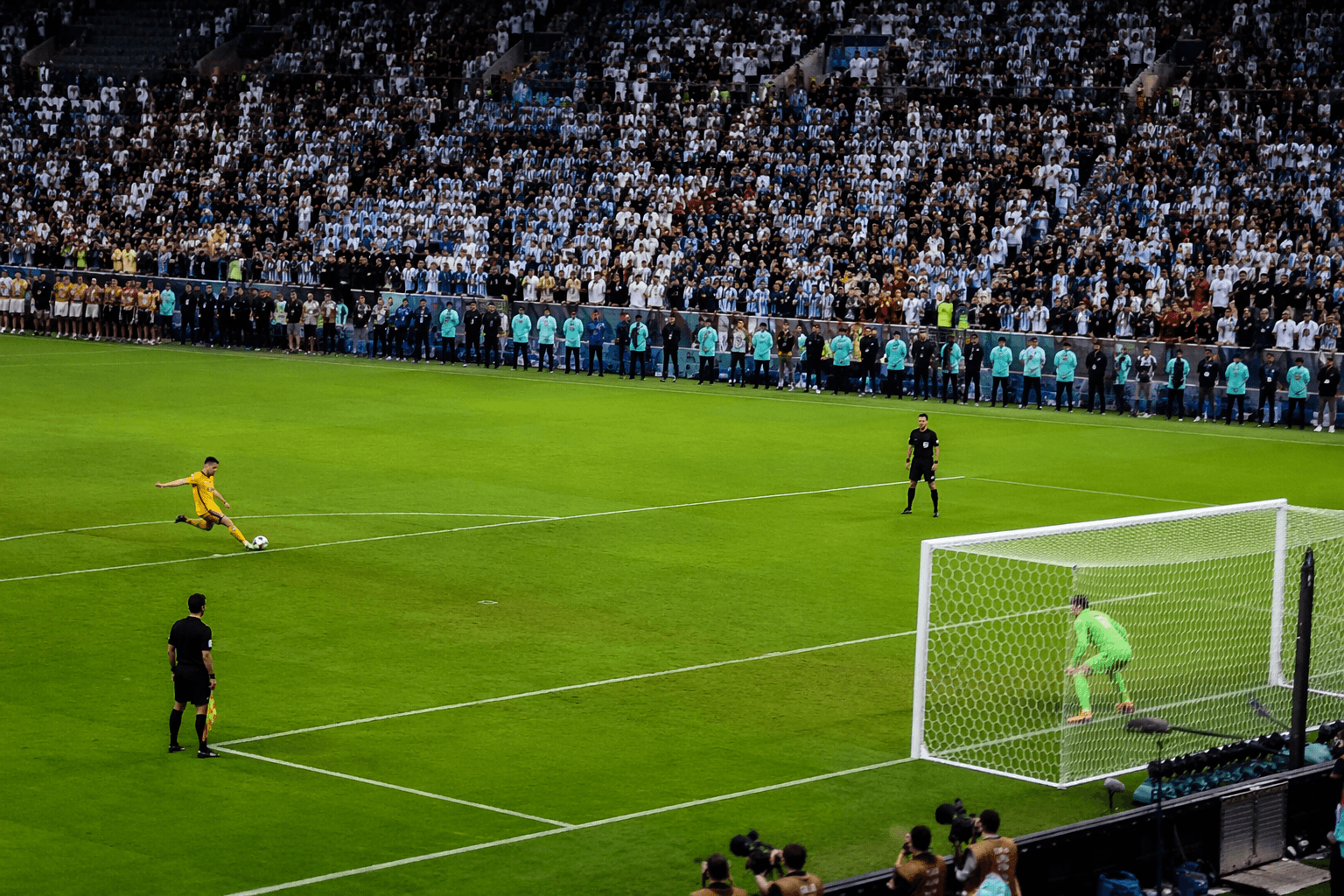
The World Cup knockout stage leaves no room for a draw. If a match is level after 90 minutes, teams play extra time, then a penalty shootout if the score is still tied, which means coaches have to plan for a full 120 minutes and possibly the most stressful few kicks in the sport.
How a tied knockout match is settled
The basic sequence is simple, but it drives every late-game decision. A knockout match starts with 90 minutes of regulation play. If the teams are still level at the end of that period, the game goes to extra time, which is split into two 15-minute halves for a total of 30 minutes.
If the score remains tied after those 30 minutes, the match is decided by penalties. That is the World Cup’s built-in answer to a match that still needs a winner after 120 minutes of play. The governing rules for the competition are designed around that outcome, so teams cannot bank on a draw to survive the round.
What the laws of the game allow
The International Football Association Board’s Laws of the Game set the framework for these knockout matches. When competition rules require a winner after a drawn match, the only permitted procedures are two equal periods of extra time, with each period capped at 15 minutes, and then penalties if needed.
That detail matters because it keeps every knockout tournament on the same basic structure. It also makes clear that extra time is not open-ended. A team does not get an endless chance to break the deadlock; it gets one additional 30-minute block, then the game moves to a shootout.
The rules also matter for squad management. IFAB says competition regulations must state whether one additional substitute may be used when a match goes into extra time. In a tournament like the World Cup, that can affect how a coach saves legs, handles fatigue, and decides whether to keep a player on the field for a potential shootout.
Why extra time changes coaching strategy
Extra time changes the rhythm of a knockout game because it compresses tactical choices into a period when players are already stretched. After 90 minutes, pace drops, cramps become more likely, and every substitution carries more weight. A coach has to think not only about attacking the opponent, but also about which players can still run, press, and take a penalty if the match reaches that point.
The substitution rule is part of that calculation. If one additional substitute is allowed in extra time, coaches can preserve a player for the extra 30 minutes or bring on someone specifically for the final phase of the match. That makes the bench more than backup depth; it becomes part of the penalty plan, the fatigue plan, and the late-game defensive plan.
How penalties fit into World Cup history
Penalty shootouts are now a defining part of knockout football, but they were introduced at the men’s World Cup only in Argentina 1978. Since then, FIFA says 73 men’s World Cup matches have gone to extra time.
Of those 73, 31 were settled during the extra 30 minutes, six required replays, and 35 were decided by penalties. That split shows how often a match remains close even after two hours of football and why a shootout is more than a dramatic finish. It is the standard tool the tournament uses when the teams still cannot be separated.
The most recent final to underline that reality came in 2022. Argentina and France finished 3-3 after extra time at Lusail Stadium on December 18, 2022, and Argentina won 4-2 on penalties. Lionel Messi and Kylian Mbappé were central to a match refereed by Szymon Marciniak, and the game became a modern reference point for how quickly a final can swing from control to chaos to sudden death on the spot.
What changes in 2026
The 2026 World Cup adds another layer to the knockout picture because it is the first men’s World Cup to include a Round of 32. The expansion to 48 teams means 32 teams advance from the group stage into the single-elimination bracket, so the knockout phase begins earlier and includes more do-or-die matches than the 32-team format.
FIFA’s knockout-stage schedule runs from June 28 to July 19, 2026, ending with the final at MetLife Stadium in East Rutherford, New Jersey. That final date matters because it fixes the point at which the tournament’s hardest tiebreaker can decide the champion. Every team that reaches that stretch has to be built for a path that can extend from 90 minutes into extra time and then penalties.
The bracket also means more chances for the same tension that defines the World Cup’s biggest nights. A Round of 32 creates one more hurdle before the traditional late-round pressure starts, and it gives more teams the chance to reach a match where one missed penalty, one tired sprint, or one substitution can determine who goes on.
What to watch when a knockout match tightens
By the time a World Cup knockout match reaches the final minutes, the game often becomes less about possession and more about whether a team can survive the next phase. The clock matters, the bench matters, and the rules matter. Once 90 minutes is not enough, the match is no longer asking who was better for an hour and a half. It is asking who can last through 30 more minutes, then handle the technical and psychological demands of penalties at the end of it.
This article was produced by Prism’s automated news system from verified source data, official records, and press releases, then run through automated quality and moderation checks before publishing. The system is built and supervised by the people who set the standards it runs under. Read our full AI policy.
Did this article answer your question?