World Cup opens amid heat, cost and climate concerns
World Cup festivities are colliding with $503 million in public spending, blistering heat plans and visa disputes as 104 matches unfold across North America.
The World Cup’s biggest expansion has arrived with a bigger bill. As the 23rd edition opened across Canada, Mexico and the United States, local governments were already absorbing security, transit and other event costs while FIFA projected more than 6.5 million fans for 104 matches in 16 host cities.
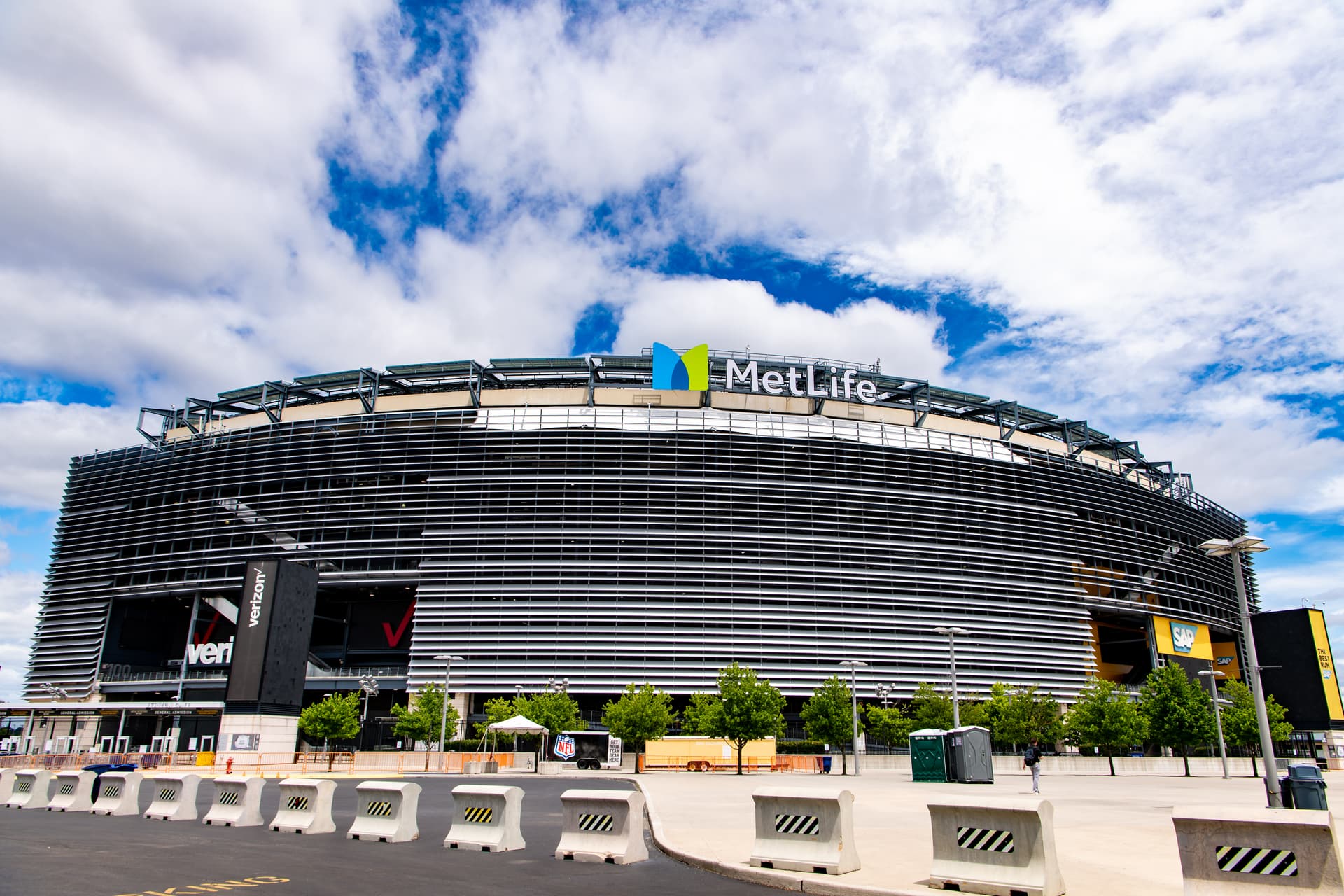
The opening match was played Thursday, June 11, in Mexico City, and the final is scheduled for July 19 at MetLife Stadium in New York/New Jersey. But the public debate has quickly shifted from spectacle to who pays for it. In New York and New Jersey alone, officials are planning to spend about $503 million on World Cup-related summer mega-events, most of it tied directly to the tournament, while FIFA is expected to earn about $8 billion this year from tickets, broadcast rights and sponsorships.
That spending gap has become a political flashpoint. New York City Councilmember Virginia Maloney, who chairs the Economic Development Committee, has held hearings on the outlays, as elected leaders question whether taxpayers will see enough lasting benefit to justify the tab. Stadiums may fill for a month, but the transportation upgrades, police overtime and logistics bills will remain with host governments long after the final whistle.
Heat has added another layer of risk. FIFA has introduced mandatory three-minute cooling breaks in each half, later start times in hotter cities, cooled benches, factory-sealed water bottles for fans and extra shade and misting systems where needed. The governing body also uses wet bulb globe temperature to trigger precautions, but 21 climate and health experts urged it on May 13 to adopt stricter thresholds. Weather analysis has singled out Miami and Monterrey as especially vulnerable to heat and humidity, making player safety, fan comfort and broadcast timing part of the same problem.
The climate cost is harder to dismiss. Reuters reported that Greenly estimated the expanded tournament could generate 7.8 million metric tons of carbon dioxide, compared with about 3.8 million tons for Qatar 2022. As much as 87 percent of those emissions could come from travel, chiefly flights, as teams, fans and media move across a span from Vancouver to Miami that is roughly 2,800 miles. With no new stadiums being built, researchers and campaigners say the footprint has shifted from construction to long-distance air travel, rather than shrunk.

Access issues have also shadowed the tournament. Al Jazeera reported that Somali referee Omar Artan was denied entry into the United States despite a valid visa and required documents, and said the U.S. Department of Homeland Security deemed him inadmissible because of vetting concerns. The same report said Iran’s squad faced visa delays, while fans from Morocco and Scotland reported denied or revoked travel documents. Volker Turk, the United Nations high commissioner for human rights, has called for a major rethink of U.S. immigration policies so they do not undercut the tournament’s global reach.
This article was produced by Prism’s automated news system from verified source data, official records, and press releases, then run through automated quality and moderation checks before publishing. The system is built and supervised by the people who set the standards it runs under. Read our full AI policy.
Did this article answer your question?

.jpg&w=1920&q=75)
