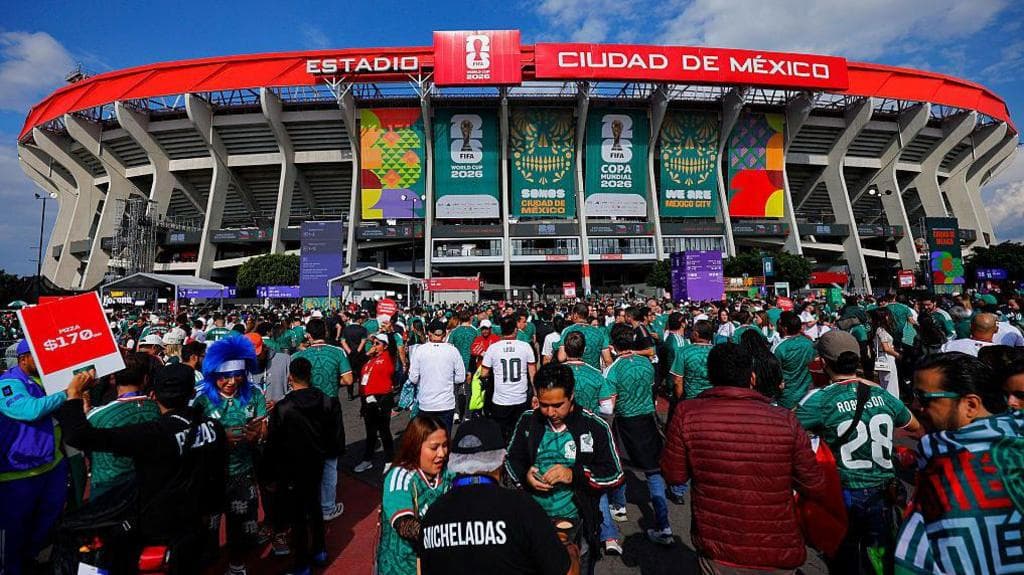
World Cup security teams race to counter drone threats at U.S. venues
Cheap drones can cross two miles in under three minutes, forcing World Cup planners to build no-drone defenses around 78 U.S. matches and millions of visitors.
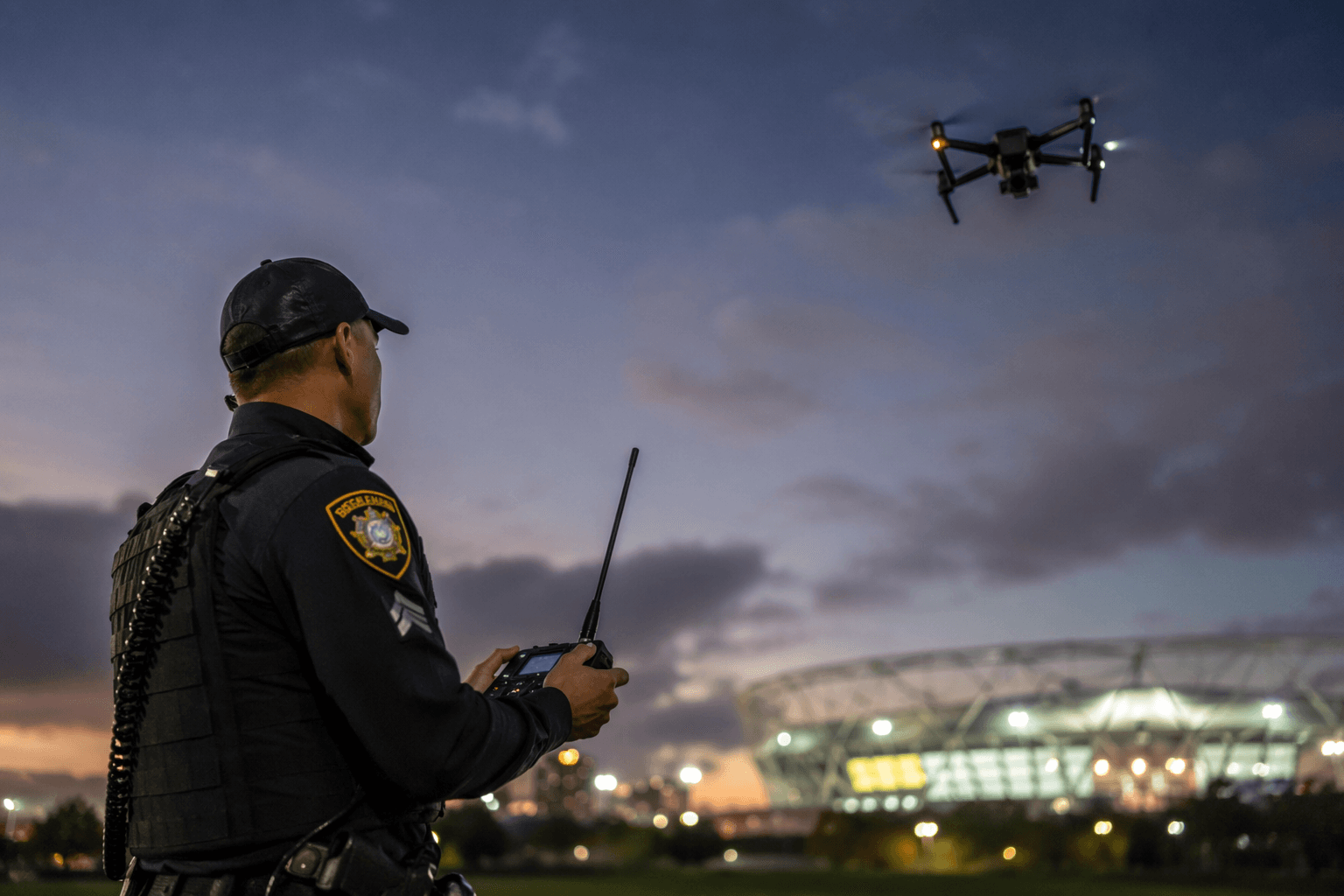
World Cup security planners were racing to harden stadiums and surrounding venues against a threat that can arrive faster than guards can react. Cheap drones, flown by curious fans or by people intent on disruption, have pushed detection and response systems to the center of preparations for the 2026 tournament, which opened Thursday in Mexico City and will run through July 19 in New York New Jersey.
The scale makes the problem harder. The first World Cup to feature 48 teams is being co-hosted by the United States, Canada and Mexico across 16 cities, and the United States is expected to stage 78 of the tournament’s 104 matches. U.S. authorities expect more than five million visitors, turning the event into a weeks-long security test spread across stadiums, fan zones, team hotels, training sites and transit routes in multiple jurisdictions.
Federal agencies have already moved to seal off the airspace. On May 28, the Federal Aviation Administration said it would establish temporary flight restrictions over stadiums hosting World Cup matches and related fan events across the United States. The agency says stadiums and surrounding event spaces are strict no-drone zones. U.S. Customs and Border Protection said it was coordinating with the Department of Homeland Security and other agencies to help secure cross-border travel for athletes, officials, fans and visitors. FBI officials told Congress that FIFA requested thorough records checks for everyone needing accredited access to World Cup venues, underscoring how broad the screening effort has become.
The security challenge is not just the number of sites. It is the speed and cheapness of the hardware. One security expert said a $1,000 drone traveling 40 to 45 miles per hour can cover two miles in under three minutes, a window too short for visual observation alone to be reliable. Another specialist said drones can slip past stadium defenses built for ground-level threats, including bollards, magnetometers and pedestrian perimeter checks, because they approach from above.

Counter-drone companies are now working with law enforcement on sensor networks that can detect drone signals, track flight paths and sometimes locate the operator. That shift shows how sporting security has moved beyond bag checks and crowd control. For planners across Los Angeles and other host cities, the World Cup is becoming a live drill for how the United States handles cheap aerial threats at an event too large, too dispersed and too visible to leave any gap unguarded.
This article was produced by Prism’s automated news system from verified source data, official records, and press releases, then run through automated quality and moderation checks before publishing. The system is built and supervised by the people who set the standards it runs under. Read our full AI policy.
Did this article answer your question?