World Cup teams pick U.S. home bases across the country
Base camps are turning suburban U.S. sites into World Cup hubs, with 39 teams headed to America and Brazil anchoring New Jersey.
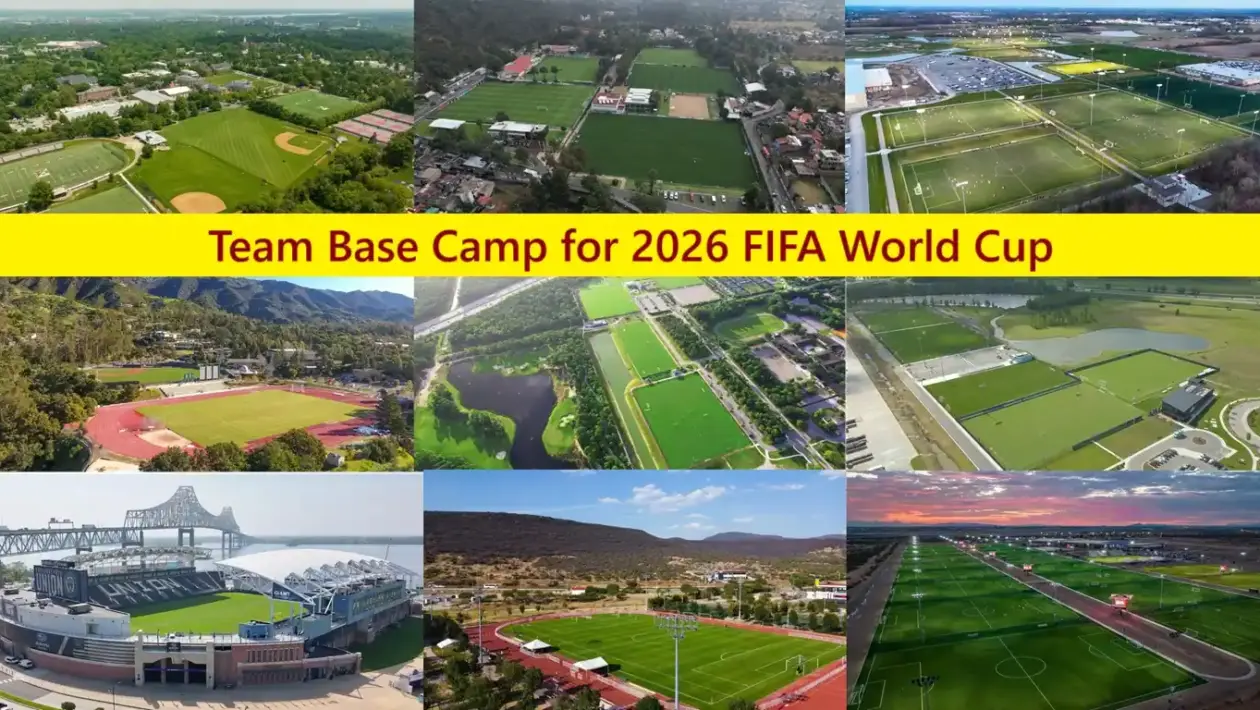
The World Cup is arriving in the United States as more than a stadium event. Across suburban training facilities, hotels and private campuses, teams will spend most of the tournament inside temporary national compounds that function as their daily base of operations.
FIFA finalized the 2026 Team Base Camp training sites on May 25, 2026, mapping out where the 48-team field will live, recover and prepare during a tournament built around 104 matches. The official footprint stretches across three countries, with 39 teams based in the United States, seven in Mexico and two in Canada.
A tournament map that extends far beyond the host cities
The 2026 World Cup will be staged across 16 host cities in Canada, Mexico and the United States, but the base-camp list shows how much of the action will unfold elsewhere. FIFA says 25 communities that are not hosting matches will still welcome teams as Team Base Camp hosts, a reminder that the tournament’s local footprint reaches far beyond the venues on the match schedule.
That is where the social and logistical story deepens. Base camps are the “home away from home” for players and staff, the places where teams train, recover and spend most of their time during the tournament. For host communities, that means ordinary places, often quieter than the cities themselves, will need to absorb the routines of elite international sport while preserving the privacy and rhythm national teams expect.
Why teams are choosing these sites
The base-camp choices reflect a careful balancing act. Teams are weighing privacy, weather, elite training infrastructure and proximity to group-stage venues, which means the best fit is not always the most famous location. In practice, that turns training centers, hotel clusters and nearby support facilities into temporary enclaves shaped by security, transport and recovery schedules.
This is also where the World Cup becomes visibly local. A team’s home base has to support training sessions, meals, medical care and downtime, while also keeping players close enough to move efficiently between practice and matches. The result is a tournament that depends on more than stadium readiness, because the day-to-day life of each squad is built around where it can work best off the field and where small details, from recovery spaces to meal routines, make a foreign site feel workable.
Brazil’s New Jersey base camp shows how the system works
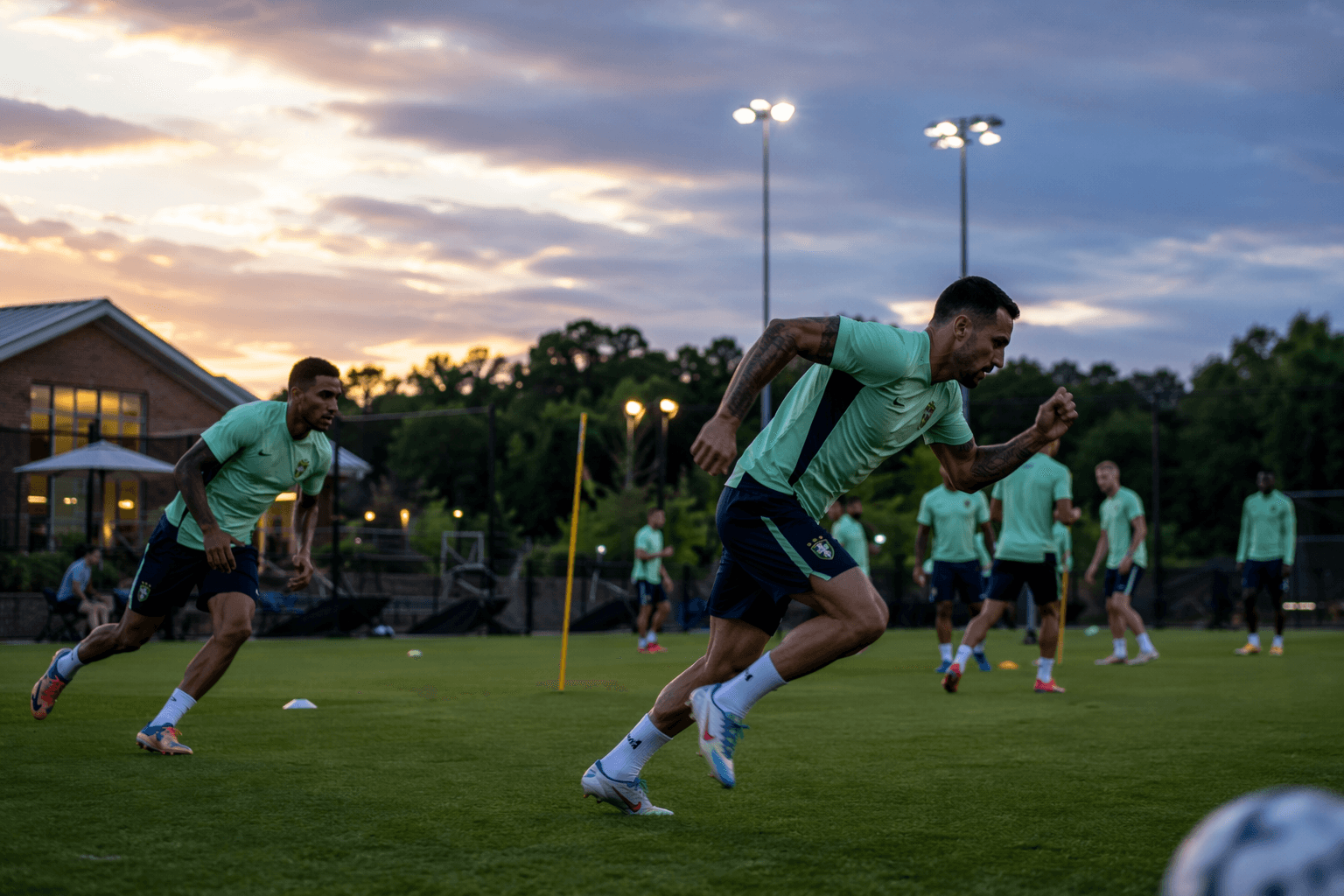
Brazil offers one of the clearest examples of how a base camp can transform an ordinary U.S. site into a global headquarters. The Brazilian Football Confederation selected Columbia Park Training Facility in Morris Township, New Jersey, as its Team Base Camp training site, and Brazil is also slated to stay at The Ridge Hotel in Basking Ridge, New Jersey.
Columbia Park is the performance center for Major League Soccer’s New York Red Bulls, and the 80-acre site includes eight full-size outdoor soccer pitches. It also offers the kinds of support spaces elite teams need during a compressed tournament, including gyms, a dining hall, a medical suite, an innovation lab and recovery areas. That mix of training infrastructure and private support space helps explain why a location in suburban New Jersey can be as important to a World Cup contender as a larger stadium city.
For Brazil, the arrangement creates a complete day-to-day ecosystem. Players can train at Columbia Park, return to the hotel in Basking Ridge, and keep their working environment tightly organized around recovery and preparation rather than public-facing event traffic. It is a model that shows how World Cup teams use the American landscape differently than fans do: not as a set of destinations, but as a network of controlled spaces built to preserve focus.
What host communities inherit when a team arrives
When a team settles into a base camp, the host community becomes part of the tournament’s hidden infrastructure. Hotels, training complexes and surrounding roads take on new significance, and local officials and operators have to think about access, movement and the needs of highly managed international delegations. Even without a match being played nearby, the daily presence of a World Cup team can reshape how a community is seen and used.
That matters because the footprint is so broad. With 39 teams in the United States and 25 non-host match communities still serving as base-camp sites, many Americans will encounter the World Cup through logistics rather than tickets. The tournament will be felt in places where the most visible symbol may not be a packed stadium, but a gated training complex, a team bus and a hotel hosting one of the world’s most watched squads.
The expanded 48-team format has stretched the tournament across more geography than before, and the base-camp map makes clear that the World Cup is being localized one community at a time. In the United States, that means the event will live not only in the 16 host cities, but also in the quieter places that will carry the daily weight of training, recovery and preparation.
This article was produced by Prism’s automated news system from verified source data, official records, and press releases, then run through automated quality and moderation checks before publishing. The system is built and supervised by the people who set the standards it runs under. Read our full AI policy.
Know something we missed? Have a correction or additional information?
Submit a Tip