World Cup ticket surge fuels fraud risk as fans chase deals
Record demand for the 2026 World Cup has fueled a fraud boom, with more than 500 million ticket requests and scammers targeting fans chasing cheaper seats.
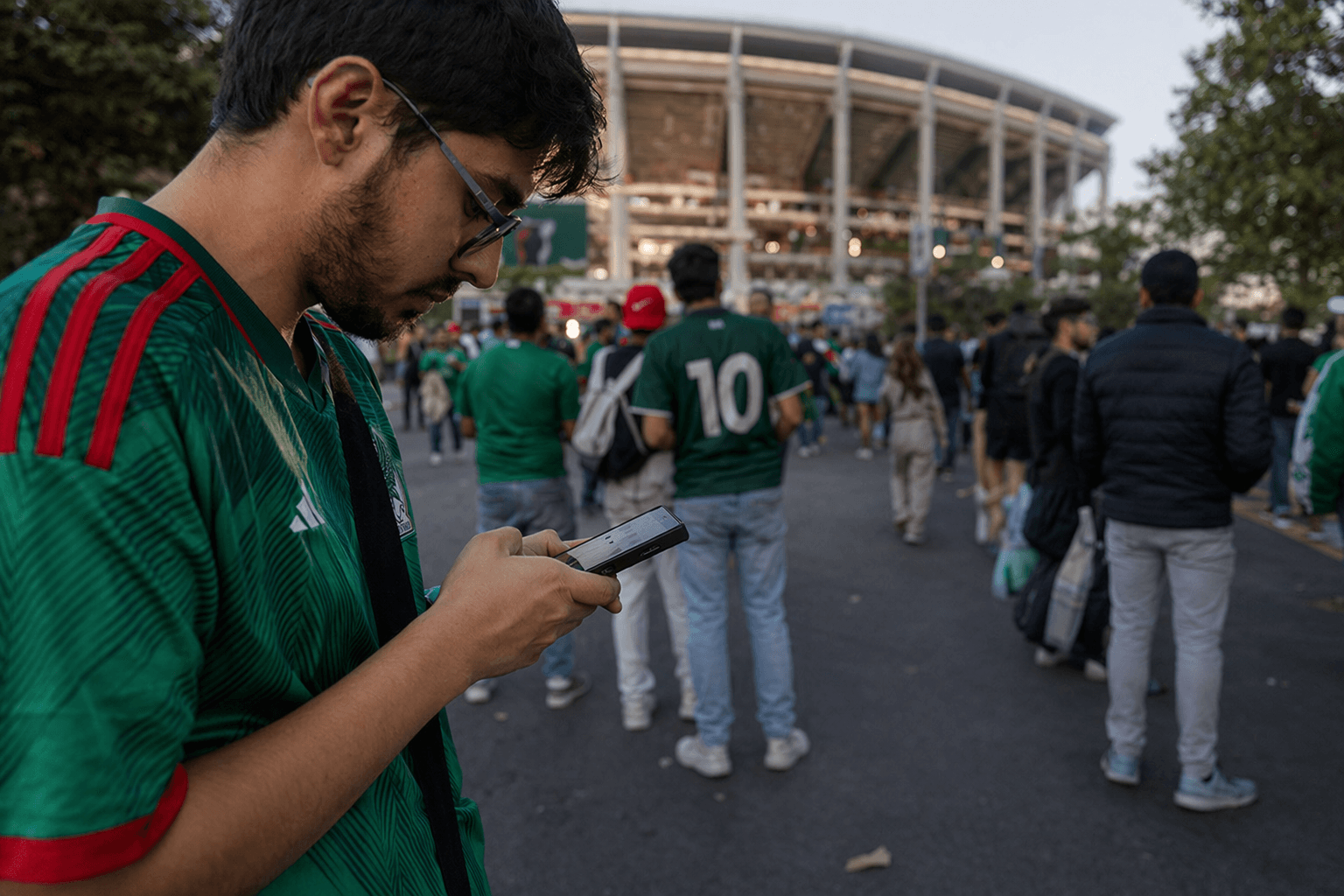
Fans chasing a once-in-a-lifetime World Cup trip are already walking into a fraud market. The 2026 tournament will run June 11 to July 19 across the United States, Canada and Mexico, and FIFA says the first 48-team World Cup has drawn nearly two million ticket sales in the first two general-public phases, with more than 500 million requests submitted in the Random Selection Draw.
That demand, combined with soaring ticket and travel costs, has made the event especially attractive to scammers, said Nuno Sebastiao, the chief executive and co-founder of Feedzai. He said big gatherings are a scammer’s dream because fans are desperate to find cheaper tickets, flights and accommodation, and football supporters are not the same high-income target seen in some other sports. The result is a broad fraud economy that reaches beyond fake tickets into travel scams, online payment theft and other schemes tied to the rush for seats.
The Knoble, a nonprofit focused on financial crime, projected that the World Cup could generate more than 28,500 suspicious financial transactions worldwide. Its work with Feedzai warned that scam incidents reported by financial institutions can rise by as much as 80% around major event ticket releases. Organizers and anti-fraud specialists also see the criminal network around these events as larger than one-off ticket fraud, with risks that can include human trafficking, forced labor in scam call centers and exploitation linked to the sex trade.
For buyers, the clearest protection is to stay inside FIFA’s official channels. FIFA says fans should buy through its official ticket pages, its hospitality sales and approved Qatar Airways travel packages, and warns that unofficial sources may not be valid. That caution matters because ticket products are being released in phases and prices can vary by sales phase, leaving room for fake listings that look urgent, scarce or below market.
Affordability remains part of the problem. Football Supporters Europe said in December that a fan following a team from the group stage through the final through supporter allocation tickets would pay at least $6,900, roughly five times the equivalent cost at the 2022 World Cup in Qatar. FIFA later introduced a $60 Supporter Entry Tier for qualified teams and said it applies to all 104 matches, including the final. Even so, the combination of premium pricing, scarce supply and cross-border buying has created the kind of pressure scammers exploit most efficiently.
This article was produced by Prism’s automated news system from verified source data, official records, and press releases, then run through automated quality and moderation checks before publishing. The system is built and supervised by the people who set the standards it runs under. Read our full AI policy.
Did this article answer your question?