Wyoming Nuclear Plant Gets First U.S. Permit for Advanced Reactor
Wyoming won the first U.S. permit for a commercial advanced reactor, putting TerraPower’s Natrium plant near Kemmerer at the center of the nuclear comeback test. The hard part now is proving it can be built on time, on budget, and with fuel.
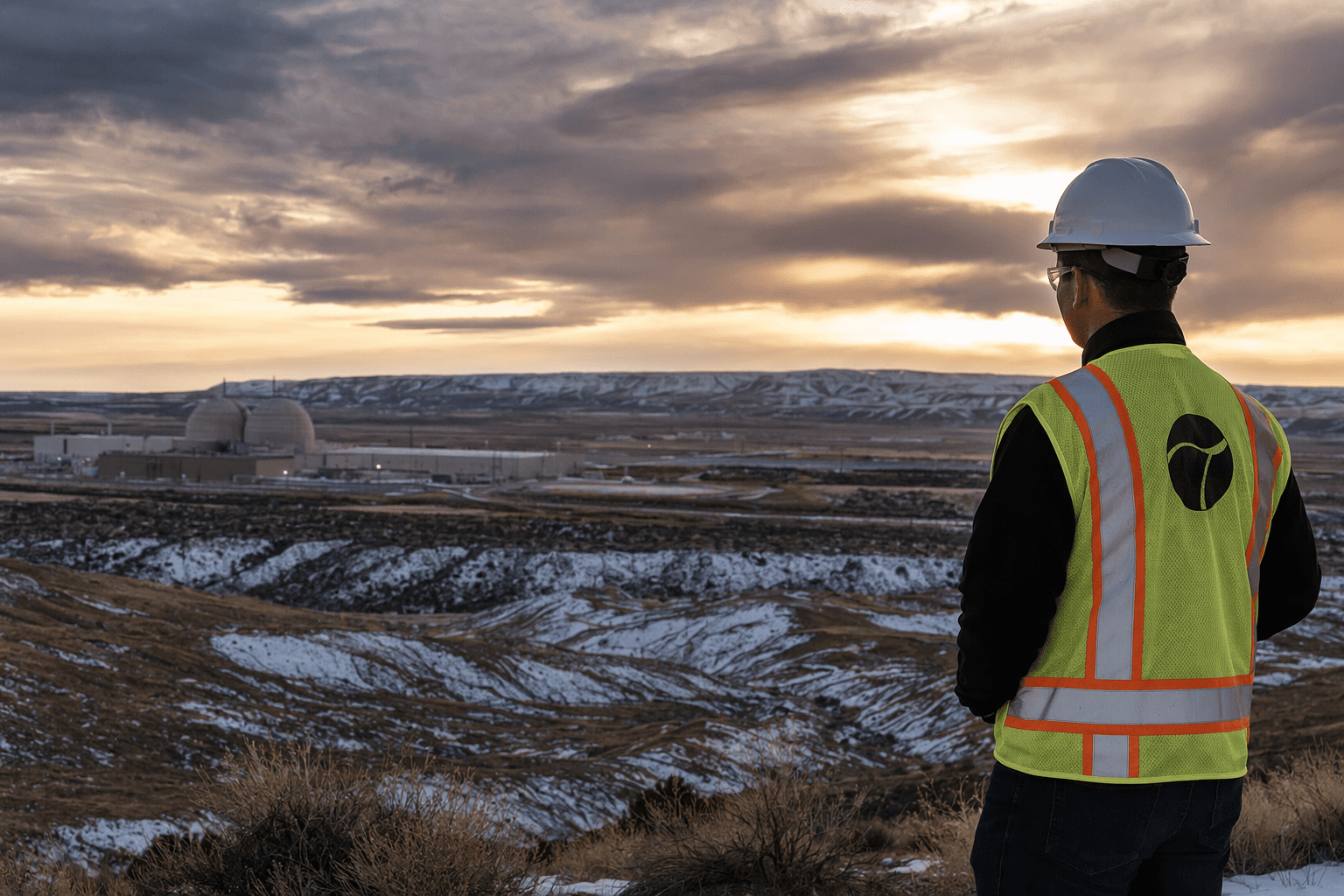
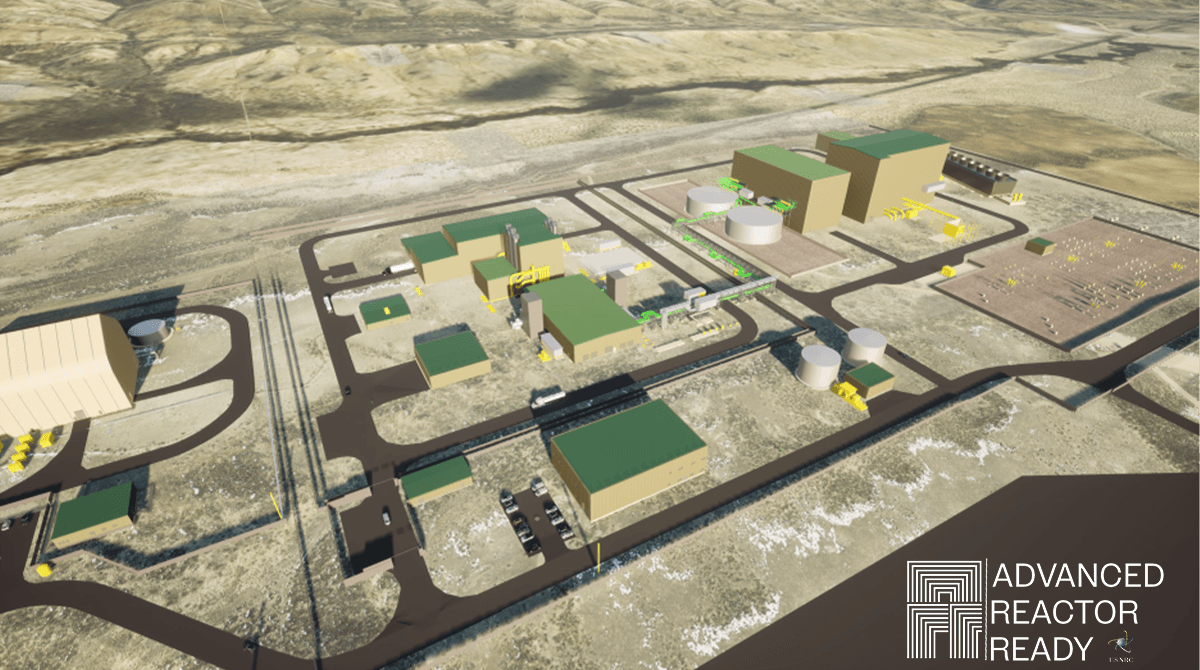
Wyoming secured a national first when federal regulators authorized TerraPower’s subsidiary to receive a construction permit for Kemmerer Power Station Unit 1, a milestone that could determine whether the country’s long-promised nuclear revival can move from paper to concrete.
The Nuclear Regulatory Commission acted on March 4, 2026, and said the permit for the project in Kemmerer, in Lincoln County, Wyoming, was the first construction permit ever issued for a commercial non-light-water power reactor. NRC staff completed the final safety review on December 1, 2025, and found no safety issues that would block the project, finishing the review 18 months after the application was accepted and nine months ahead of schedule.
The plant is TerraPower’s Natrium design, a 345 MWe sodium fast reactor using HALEU metal fuel. TerraPower says the system also includes molten-salt energy storage that can lift output to 500 MW during periods of peak demand, a feature aimed at making nuclear power more flexible on the grid than traditional baseload reactors.
The project has been heavily backed by the U.S. Department of Energy and promoted by supporters as a proof point for the next generation of U.S. nuclear power. Bill Gates-backed TerraPower has said the reactor could begin operating in the early 2030s, but that timeline still depends on completing construction, securing fuel and navigating the industrial bottlenecks that have slowed advanced reactor development across the country.
Fuel remains one of the biggest hurdles. TerraPower’s project was delayed before by supply problems tied to HALEU, or high-assay low-enriched uranium, the specialized fuel needed for the reactor. That broader shortage has become one of the central constraints on the advanced nuclear industry, even as federal agencies and private developers push to scale new designs.
The plant is being built near a retiring coal-fired power plant in southwest Wyoming, giving state officials and project supporters a powerful symbol for a region trying to recast itself as a hub for carbon-free energy. Wyoming has framed the project as part of a larger nuclear renaissance, one that could help preserve energy jobs and replace coal generation with a new industrial base.
For the country, the project is more than a single permit. It is a real-world test of whether advanced reactors can overcome the sector’s familiar obstacles, including cost, schedule risk, regulation, fuel supply and long-term waste questions. If Kemmerer succeeds, it could become a model for future deployments. If it stalls, it will reinforce why nuclear power has spent decades as a promise rather than a delivered product.
This article was produced by Prism’s automated news system from verified source data, official records, and press releases, then run through automated quality and moderation checks before publishing. The system is built and supervised by the people who set the standards it runs under. Read our full AI policy.
Did this article answer your question?

