xAI installed 59 unpermitted gas turbines for Tennessee data center
xAI put 59 gas turbines near Memphis without federal clean-air permits, leaving mostly Black neighborhoods to absorb the pollution from the AI boom.
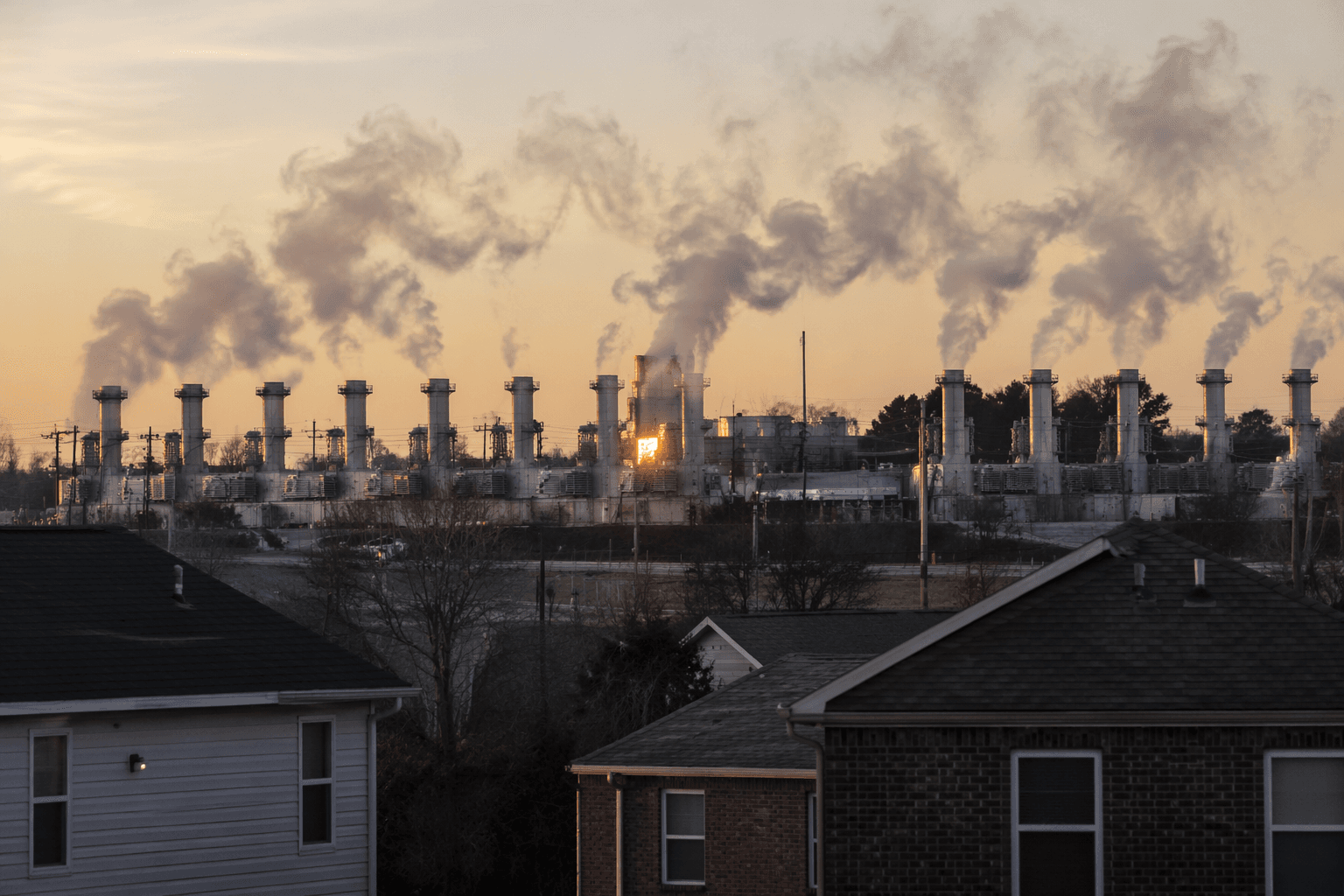
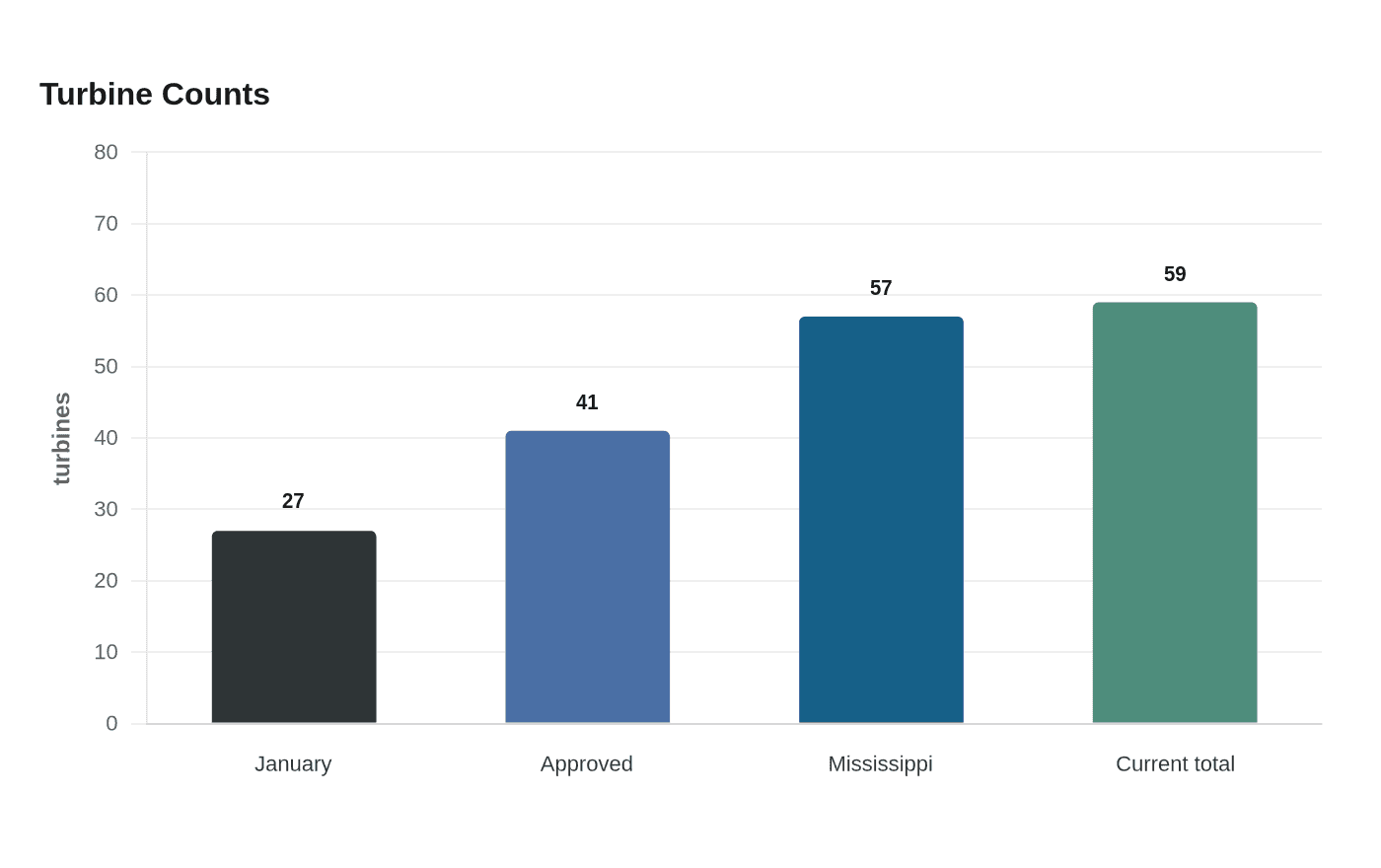
xAI has installed 59 natural gas turbines for its Colossus 2 data center project in Tennessee without securing the federal clean-air permits required for such facilities, concentrating the pollution burden near predominantly Black neighborhoods in the Memphis area. The units are tied to the company’s AI buildout for Grok and other systems, and their emissions would exceed the threshold that triggers a federal permit.
xAI had said in January that it was operating 27 unpermitted turbines and argued that permits were not required. The newer total shows at least 57 of the turbines in Mississippi just over the state line from the data center site.
Memphis was ranked the asthma capital of the nation in 2025. Ben King of the Rhodium Group called the setup an “unprecedented level of behind-the-meter gas” in one place.
In June 2025, the NAACP and the Southern Environmental Law Center sent xAI an intent-to-sue letter over turbine pollution in South Memphis. The NAACP later sued xAI and its subsidiary MZX Tech over the operation of dozens of unpermitted methane gas turbines at Colossus 2, arguing that the company had shifted the health risks of the project onto nearby residents.
The Shelby County Health Department said it received more than 1,700 public comments on xAI’s permit application, and Shelby County Commissioners voted 5-1 to recommend a public meeting on the construction permit. In Mississippi, the Environmental Quality Permit Board granted xAI’s request on March 10, 2026, for 41 permanent turbines at a public meeting in Jackson. That approval came three weeks after the state’s only public hearing on the project, and one week after the data center was discussed at the White House.
This article was produced by Prism’s automated news system from verified source data, official records, and press releases, then run through automated quality and moderation checks before publishing. The system is built and supervised by the people who set the standards it runs under. Read our full AI policy.
Did this article answer your question?