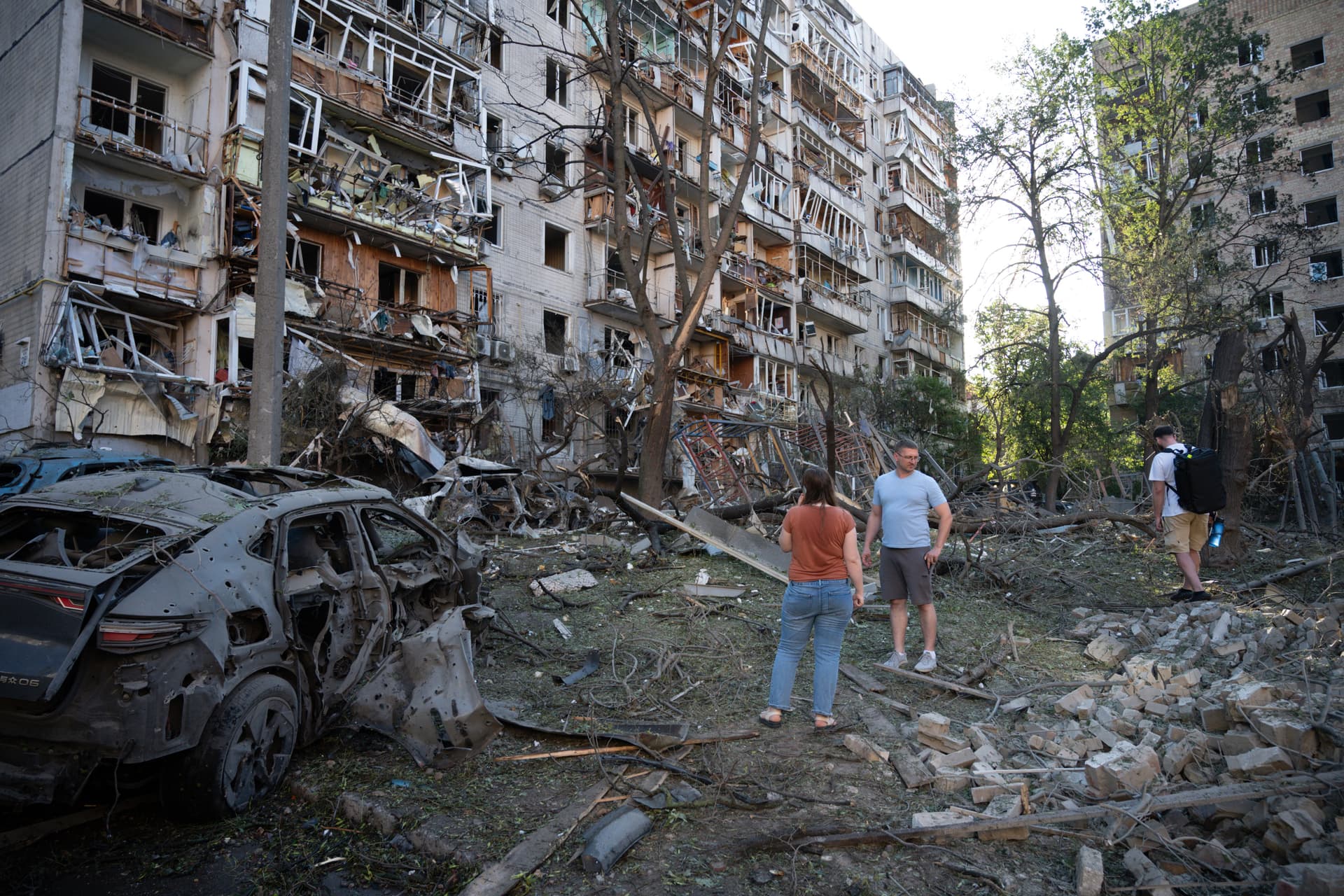
Xenophobic violence forces long-settled African migrants out of Durban
Princess Adjei grew up in South Africa, spoke Zulu and ran a salon in Durban, until an anti-migrant mob looted it and forced her and her son onto the street.
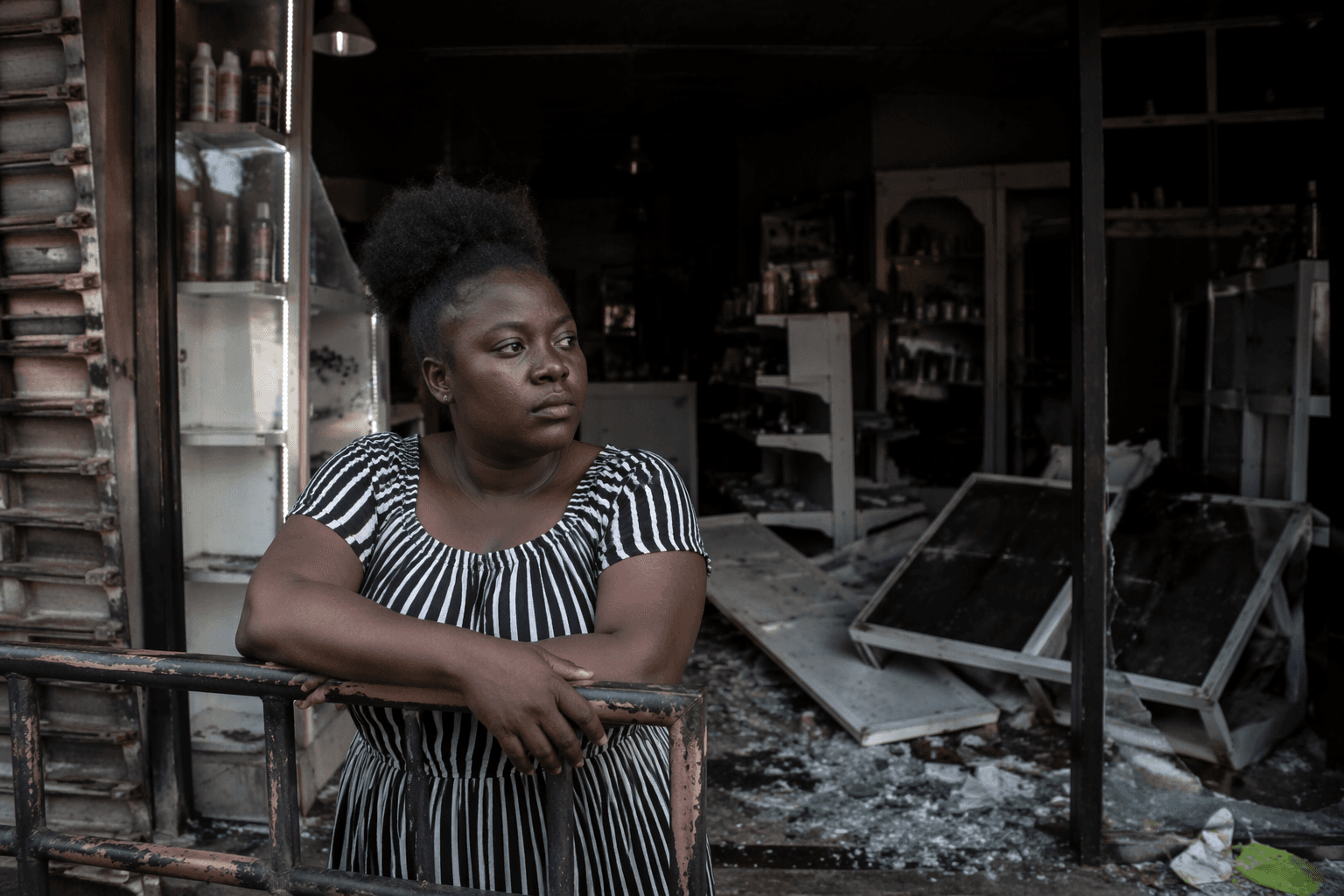
Long-settled African migrants in Durban are being driven from homes, shops and street corners by violence that turns decades of belonging into a matter of suspicion. Princess Adjei, 33, moved from Ghana to South Africa as a toddler, went through school there and speaks Zulu, yet a mob that joined an anti-migrant march on May 18 looted her salon and left her fighting to keep a roof over her head.
The attackers stripped the salon of hair pieces, acrylic nails, hair dryers and shampoos, wiping out the business that paid her rent. Adjei and her 14-year-old son were sleeping on blankets on the street with other migrants outside the Department of Home Affairs while officials checked their residency status. Her story reflects a wider pattern in Durban, where Reuters interviewed a dozen migrants and found that four had lived in South Africa since childhood.

The violence has already killed at least five people and sent shock waves far beyond KwaZulu-Natal, triggering a diplomatic rift with the rest of the continent. Human Rights Watch said vigilantes have attacked African and Asian foreign nationals in recent weeks with little or insufficient response from police and other authorities, a failure that has allowed fear to spread faster than any protection from the state. Reuters-linked reporting has also tied the unrest to a citizen-led movement called March and March, which began protest activity in April and May 2026.
Economic stress and politics have sharpened the attacks. Anti-migrant sentiment has grown alongside unemployment and persistent inequality, with local elections due by November 2026 giving politicians an incentive to feed resentment rather than calm it. In Durban and elsewhere, the result has been shops destroyed, jobs lost and families pushed into precarious street camps, even when the people targeted have legal papers and deep roots in South African life.
The current unrest fits a grim national pattern. Academic and human-rights research has documented major xenophobic outbreaks in 2008 and 2015, including violence in Durban, and Human Rights Watch said the 2008 episode killed 62 people. Reuters reported on June 2 that Mozambique said five of its citizens were killed in anti-immigration violence in Mossel Bay, underscoring how quickly the attacks have spread beyond one city and into a regional crisis of belonging.
This article was produced by Prism’s automated news system from verified source data, official records, and press releases, then run through automated quality and moderation checks before publishing. The system is built and supervised by the people who set the standards it runs under. Read our full AI policy.
Did this article answer your question?