Xi and Kim pledge deeper ties as China reasserts North Korea influence
Xi's first trip to North Korea in seven years ended with pledges of deeper ties, signaling Beijing still wants leverage over Pyongyang and the regional balance of power.
Xi Jinping left Pyongyang on June 9 after his first visit to North Korea in seven years, a rare high-level trip that ended with both sides signaling a deeper, more comprehensive understanding. The carefully staged meetings suggested more than ceremony: Beijing is making clear it still intends to shape North Korea’s choices even as Pyongyang leans harder toward Russia.
Xi met Kim Jong Un in Pyongyang on June 8, and the two leaders agreed to expand cooperation in politics, economy and culture. North Korean state media said they aimed to develop bilateral relations into a new chapter, while Kim pledged support for the One China principle, reinforcing Beijing’s position on Taiwan. Xi said the visit would be used to make significant progress in bilateral relations, a formulation that underscored how much strategic value China still places on the relationship.
The summit mattered because it came as China works to preserve influence over North Korea at a moment of sharper regional competition. North Korea’s growing military alignment with Russia has complicated the diplomatic map in Northeast Asia, and Beijing appears determined not to cede the peninsula to Moscow’s orbit. The omission of any mention of denuclearization in the official summaries was equally telling. For a region still shaped by the stalled nuclear diplomacy of 2018 and the continuing threat posed by North Korea’s weapons program, that silence suggested the focus was on alignment and access, not concessions.
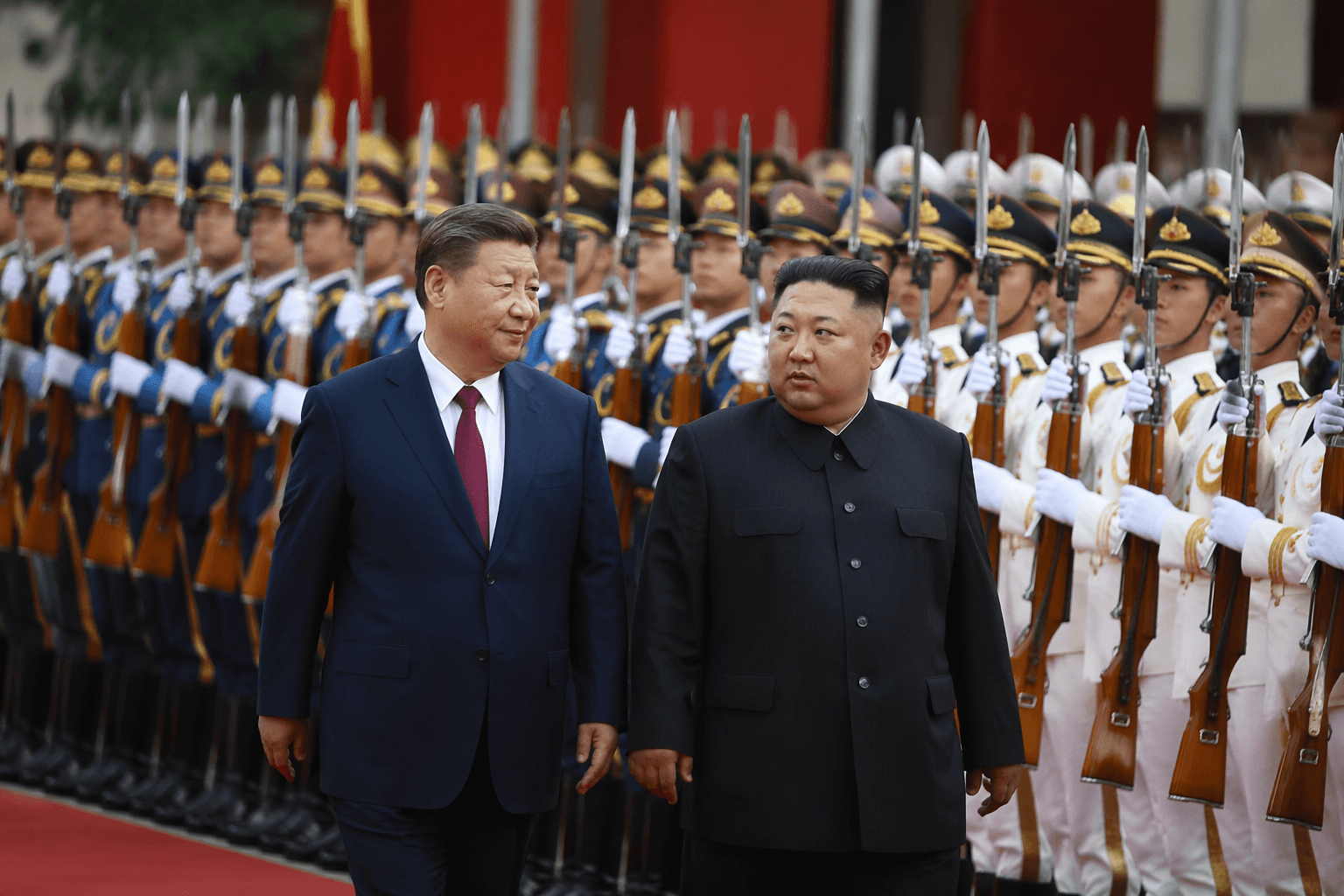
The timing also carried heavy symbolism. The visit coincided with the 65th anniversary of the China-North Korea Treaty of Friendship, Cooperation and Mutual Assistance, a milestone that gave the summit a ceremonial edge and helped frame the trip as a restoration of old ties. Xi and Kim attended an artistic performance with their wives, Peng Liyuan and Ri Sol Ju, and the program featured Chinese and North Korean songs celebrating the value and closeness of DPRK-China friendship. Xi also visited Pyongyang’s Sino-Korean Friendship Tower on June 9, a site honoring Chinese soldiers who died in the Korean War.
Taken together, the trip showed how Beijing is using history, diplomacy and pageantry to protect its leverage. Whether the visit produces practical movement on sanctions enforcement, military posture or the future of the Korean peninsula, it left little doubt that China still wants to be seen as the indispensable power in North Korea’s strategic calculations.
This article was produced by Prism’s automated news system from verified source data, official records, and press releases, then run through automated quality and moderation checks before publishing. The system is built and supervised by the people who set the standards it runs under. Read our full AI policy.
Know something we missed? Have a correction or additional information?
Submit a Tip