Xi backs Myanmar leader in Beijing as ties deepen
Xi received Min Aung Hlaing in Beijing and backed Myanmar’s military ruler with 18 new agreements, underscoring China’s bet on stability and border control.
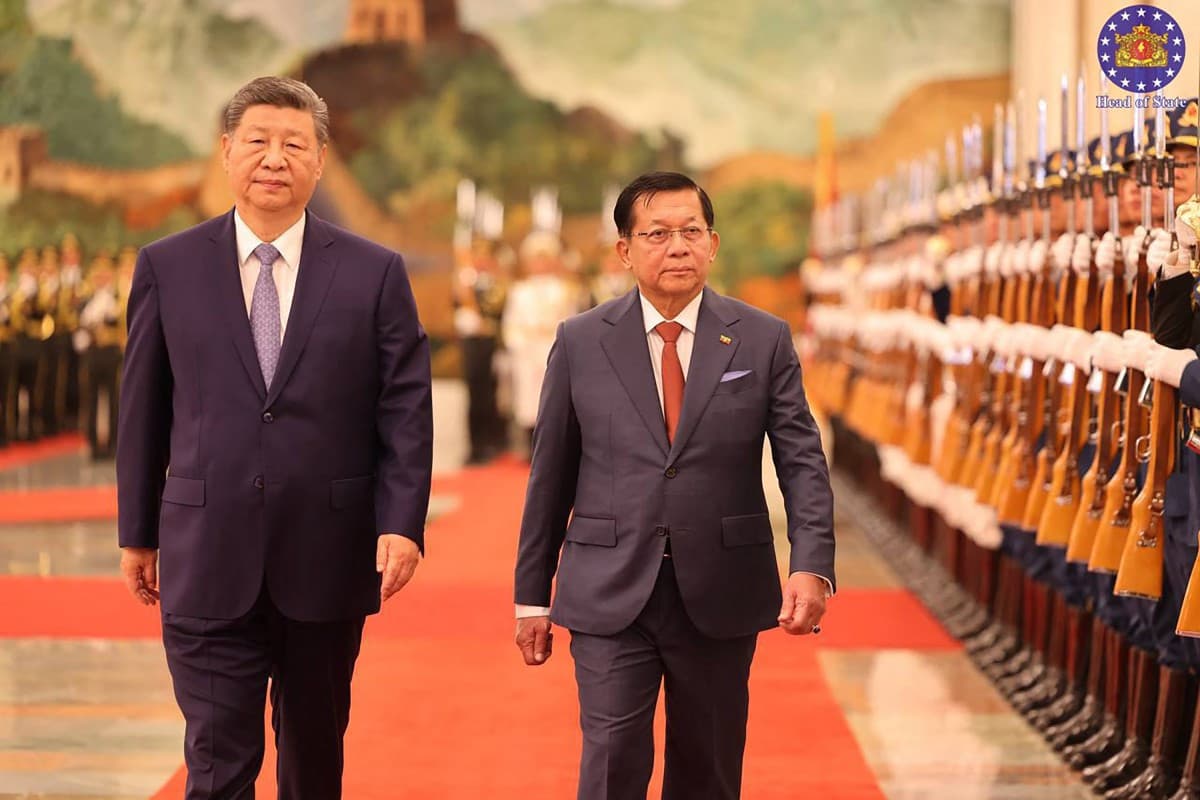
Xi Jinping used a tightly controlled meeting in Beijing to signal that China is standing by Myanmar’s military ruler even as the country remains fractured by war and contested at the United Nations. The two leaders met at the Great Hall of the People on June 16, and the talks lasted less than an hour before they signed 18 memorandums of cooperation.
The agreements covered cross-border transportation, free trade, natural-disaster assistance, health and media, a spread of topics that points to Beijing’s practical priorities along the nearly 2,200-kilometer China-Myanmar border. For China, the relationship is about keeping trade routes open, protecting infrastructure and preserving access to the Indian Ocean through projects linked to the Belt and Road Initiative, including the China-Myanmar Economic Corridor.
Xi endorsed Min Aung Hlaing’s political leadership and said China would keep strengthening guidance over bilateral ties and deepen comprehensive strategic cooperation. He also said Beijing supported Myanmar’s efforts toward peace, reconciliation and stability, language that framed the relationship as part of a wider push for regional order rather than a response to international criticism.
Min Aung Hlaing’s five-day state visit, which runs through June 19, is his first trip to China since he became president in April 2026. His stop in Beijing followed his first official visit to India from May 30 to June 3, when he met Narendra Modi, highlighting how neighboring powers are competing to retain leverage in Myanmar despite the civil war and the collapse of democratic rule after the 2021 coup.
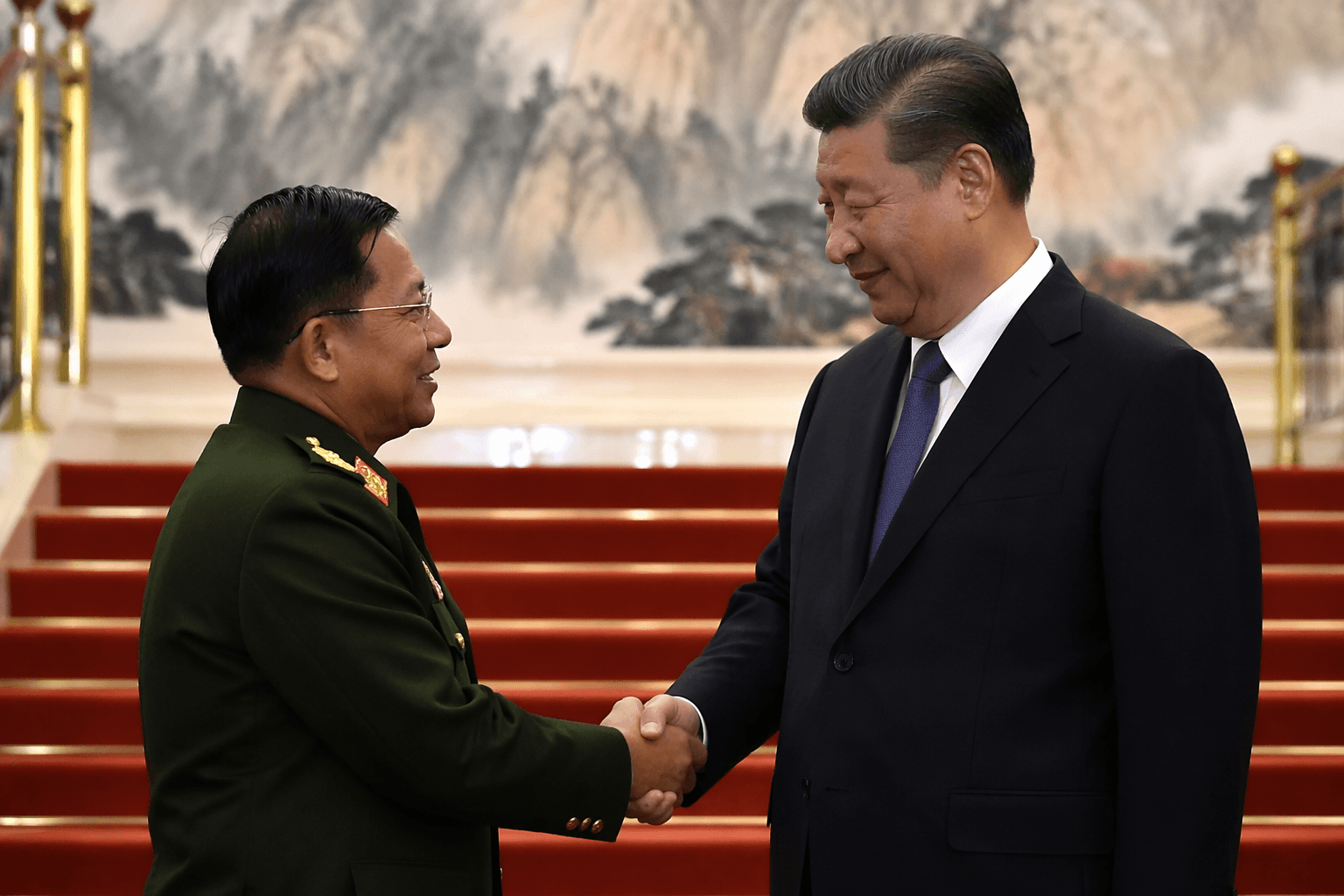
China remains one of the junta-linked government’s most important external backers, and the timing of the visit matters. In April, a military-controlled parliament elected Min Aung Hlaing president, a move rejected by rights groups. The United Nations continued to list Myanmar’s pre-coup leadership in its diplomatic records, rather than Min Aung Hlaing, underlining the gap between Beijing’s engagement and the country’s international standing.
Amnesty International said the elevation should not shield him from accountability, while Human Rights Now said the appointment did not reflect the genuine will of the Myanmar people. The Myanmar delegation also included officials from Kachin State and Shan State, suggesting that border trade and resource management were central to the agenda. In Beijing, the message was plain: China is prepared to deepen ties with Myanmar’s rulers even as sanctions pressure, diplomatic isolation and armed resistance continue to shape the country’s future.
This article was produced by Prism’s automated news system from verified source data, official records, and press releases, then run through automated quality and moderation checks before publishing. The system is built and supervised by the people who set the standards it runs under. Read our full AI policy.
Did this article answer your question?