Xi urges Communist Party to adapt to China's changing risks
Xi told party cadres to stay disciplined but flexible as China faces slower growth, demographic decline and rising external pressure.
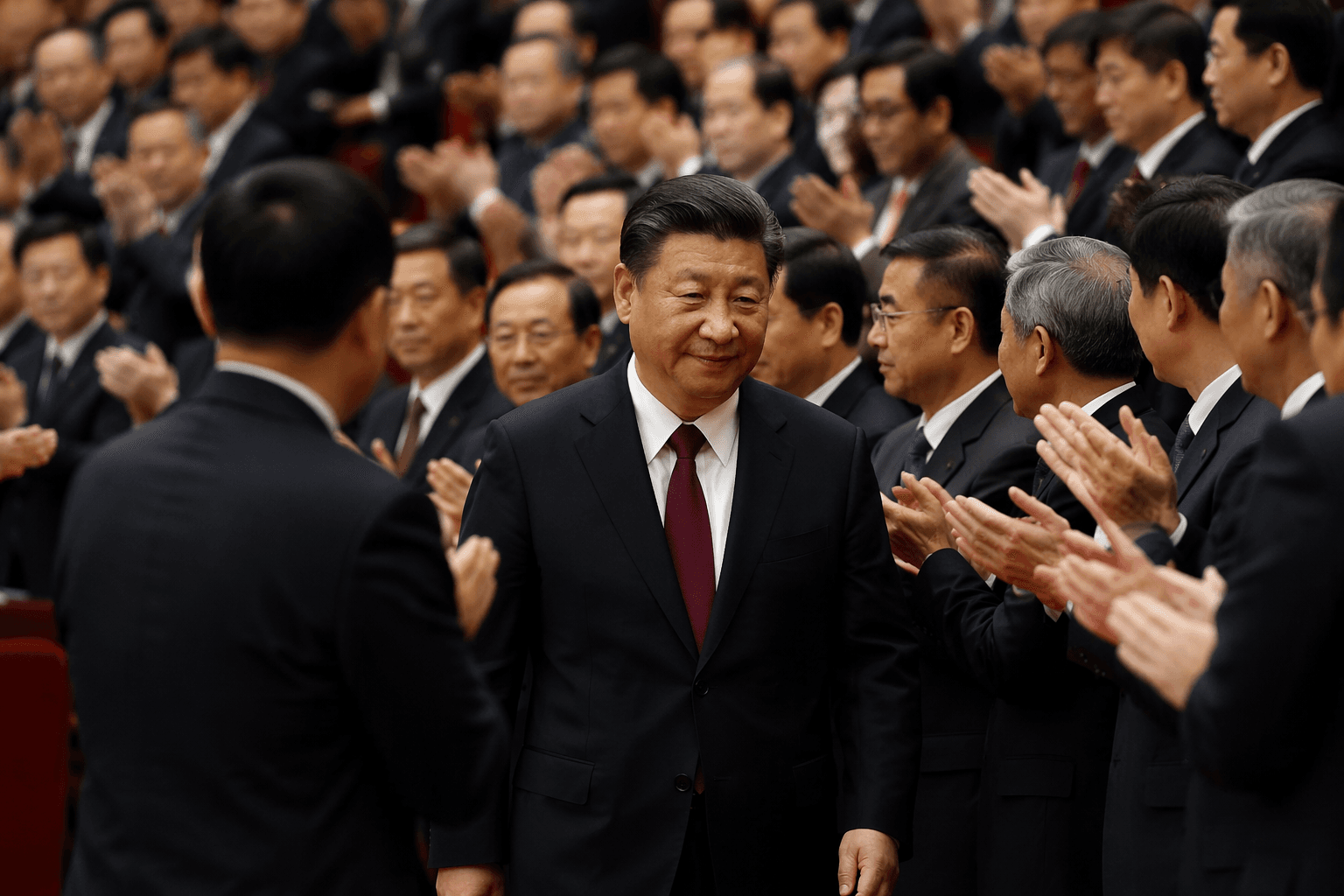
Xi Jinping spent about 40 minutes at the Great Hall of the People in Beijing telling Communist Party cadres to stay ideologically disciplined while adapting to a changing set of risks. He said China was in a period where "strategic opportunities, and risks and challenges, coexist," a formulation that captured the tension at the center of the speech: tighten control, but do not let the party become rigid.
The anniversary address came as Xi pressed members to recognize change, adapt to it and keep the party’s work moving forward. He also called on them to stamp out harmful influences and "all viruses that erode the party's healthy body," language that reinforced the leadership’s emphasis on internal purity and political obedience. The message was not only about ideology. It was also about preserving elite control as economic momentum slows and policy choices grow narrower.
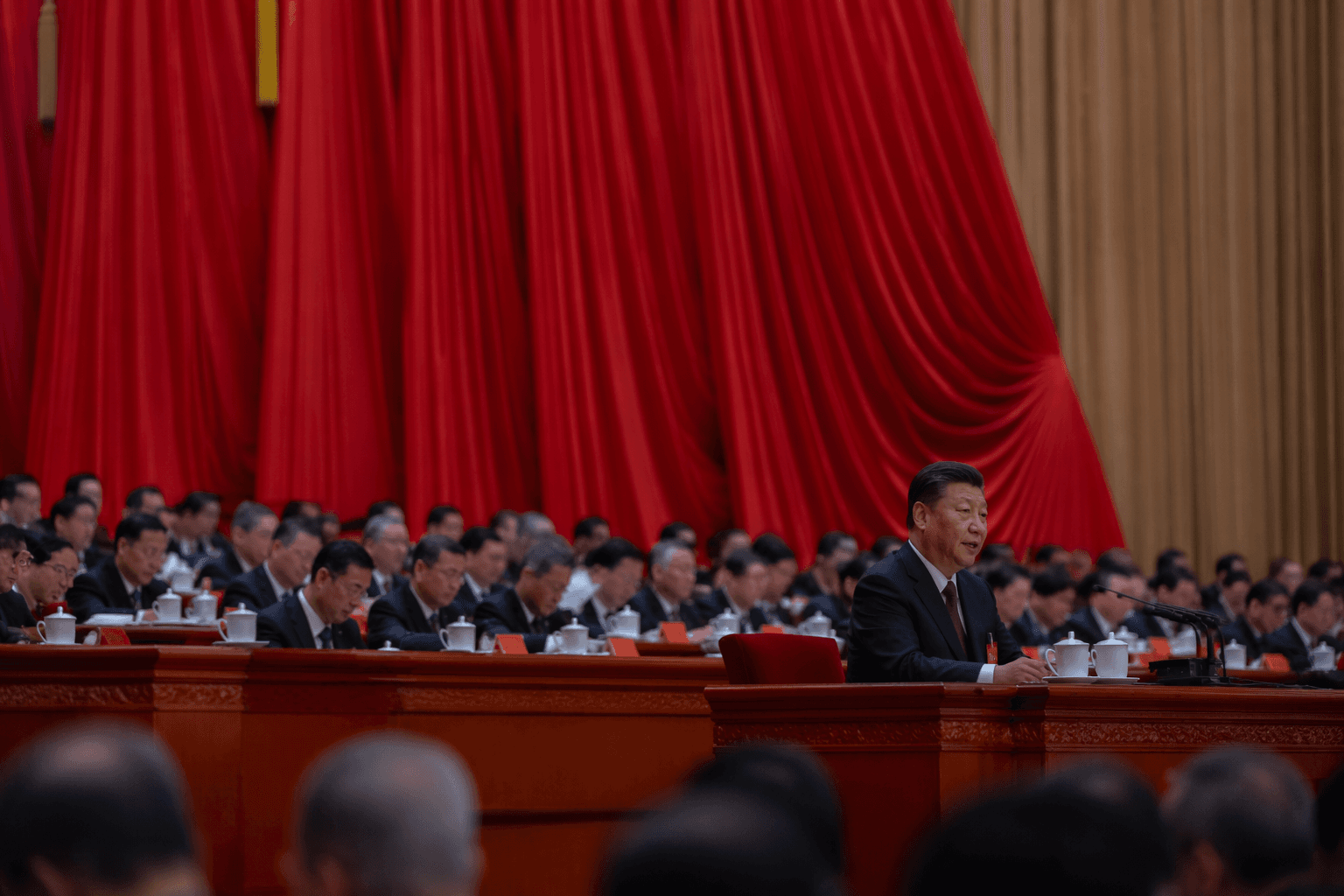
Official figures released June 30 showed the Communist Party of China had nearly 101.29 million members at the end of 2025, up by more than 1.01 million, or 1 percent, from the end of 2024. The party also had more than 5.43 million primary-level organizations. The numbers underscored the scale of the organization Xi is trying to keep aligned as it stretches across government, business, the military and society.
Xi was also set to confer the July 1 Medal, the party’s highest honor, on model members at the ceremony. That reward system remains part of the party’s political theater, but it also serves a practical purpose: it signals which kinds of loyalty the leadership wants to promote. State media said Xi described the Taiwan issue as a historic mission and an unshakable commitment for the party, keeping reunification at the center of the party’s legitimacy.
The speech landed at a moment of mounting pressure. China faces Western-led curbs on advanced technology, tense trade relations with the United States and continued friction over Taiwan. At home, analysts see slower economic growth and demographic decline as the most serious challenges. Xi did not name those risks directly, but his call for the party to keep pace with changing circumstances suggested Beijing is worried about policy drift as much as external pressure.
He also projected confidence beyond China’s borders, casting the country’s approach as a source of ideas for developing nations. That outward-facing tone sat alongside a harder domestic message: the party wants to appear adaptable without loosening the ideological and organizational grip that Xi has tightened since taking power in 2012.
This article was produced by Prism’s automated news system from verified source data, official records, and press releases, then run through automated quality and moderation checks before publishing. The system is built and supervised by the people who set the standards it runs under. Read our full AI policy.
Did this article answer your question?

