Xreal’s Project Aura brings immersive Android XR glasses to market
Project Aura pairs a 70-degree display and X1S chip with Android XR, but its wired design shows how far smartglasses still are from all-day wear.
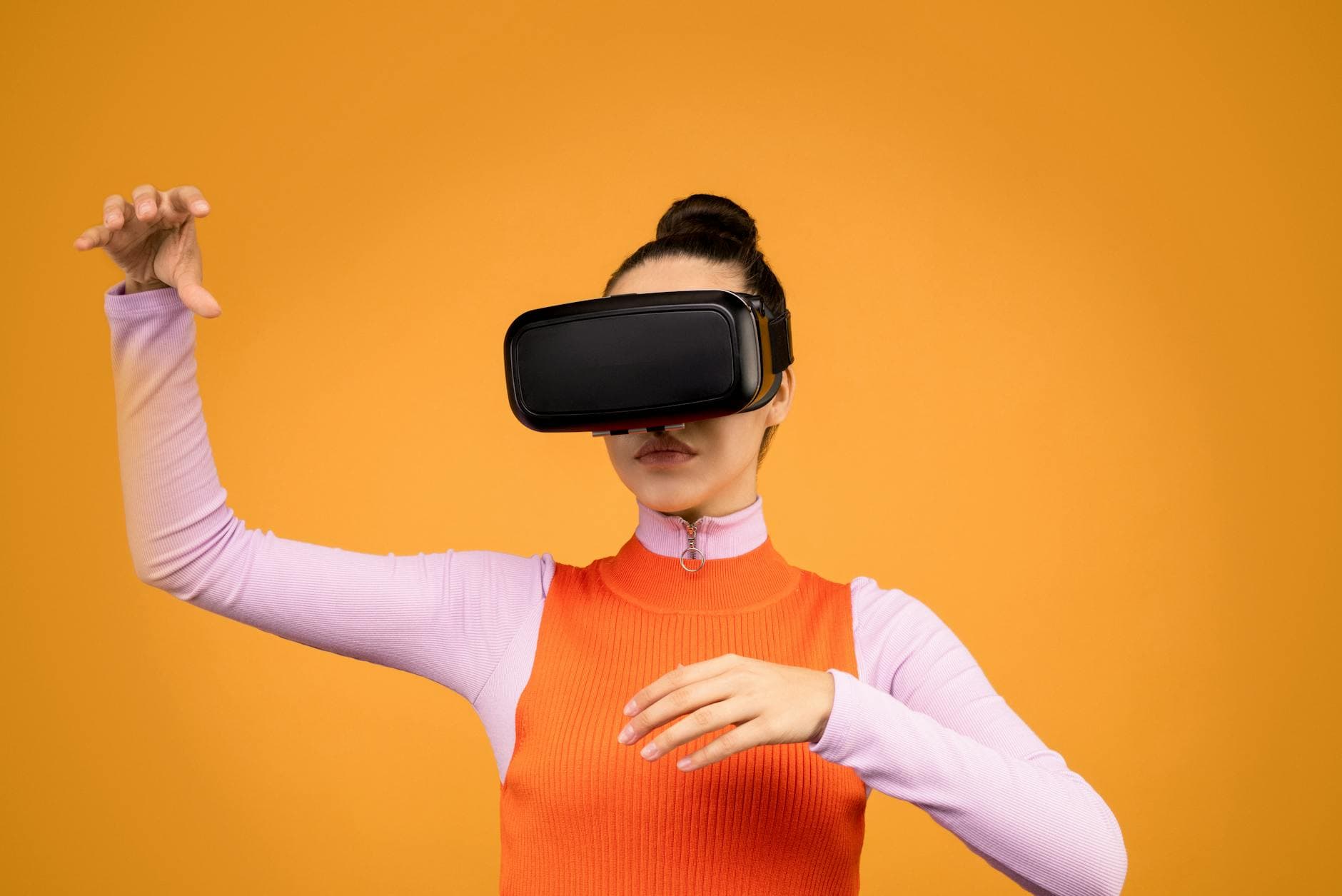
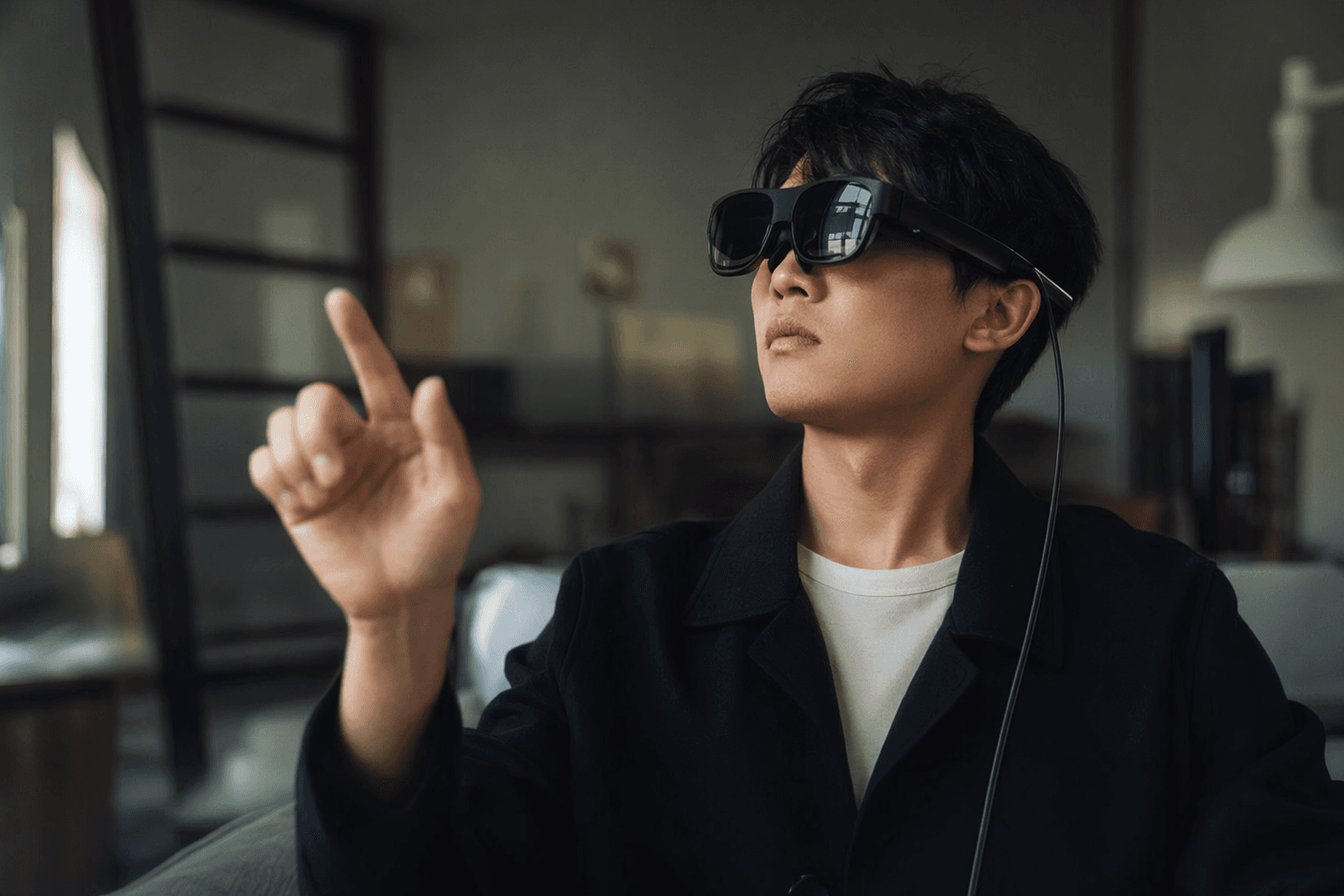
Xreal used Google I/O 2026 to put a more aggressive bet on smartglasses in front of the industry: Project Aura, its first tethered XR glasses built with Google for Android XR. The device is pitched as a more immersive, entertainment-first take on the category, and that ambition also exposes the central tradeoff in the market, because the same features that make the glasses visually powerful also make them harder to imagine as something people wear all day.
Project Aura centers on a 70-degree field of view optical see-through display, the X1S chip and a lightweight split-compute design. Xreal says the glasses are built to handle Android apps, hands-free voice and gesture control, and Gemini-powered AI. Developer tools are already live, and dev kits are due before the 2026 launch, signaling that Xreal wants software partners building before the hardware reaches consumers.
That approach stands in contrast to the simpler Android XR glasses Google and Samsung have teased with Warby Parker and Gentle Monster. Google has described Android XR as a new operating system built with Samsung for headsets and glasses, and its materials say the platform supports wired XR glasses that blend headset-like immersion with real-world presence. Google and Samsung have said their first Android XR glasses are expected to arrive in fall 2026, while Xreal has said Project Aura will ship in 2026.
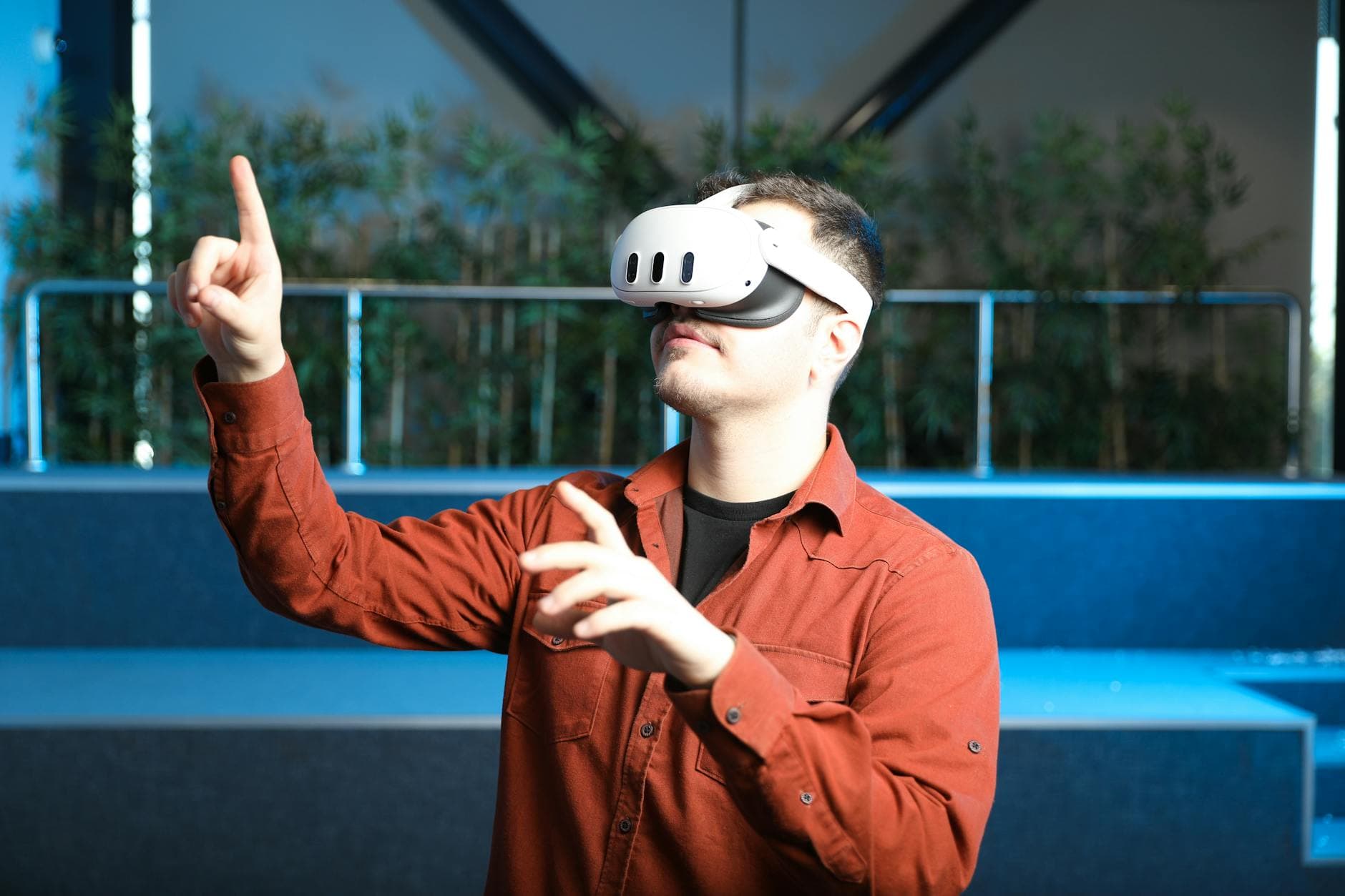
The comparison matters because Android XR is opening up two different futures for smartglasses. One path is minimalist and audio-first, aimed at everyday wear and all-day comfort. The other, which Project Aura represents, is denser, more screen-driven and better suited to immersive media and spatial computing. 9to5Google reported that Xreal’s Android XR glasses were described as wired and not intended for all-day wear, a detail that underscores the same tension Google’s platform now has to manage: the more capable the glasses become, the less invisible they are on a human face.
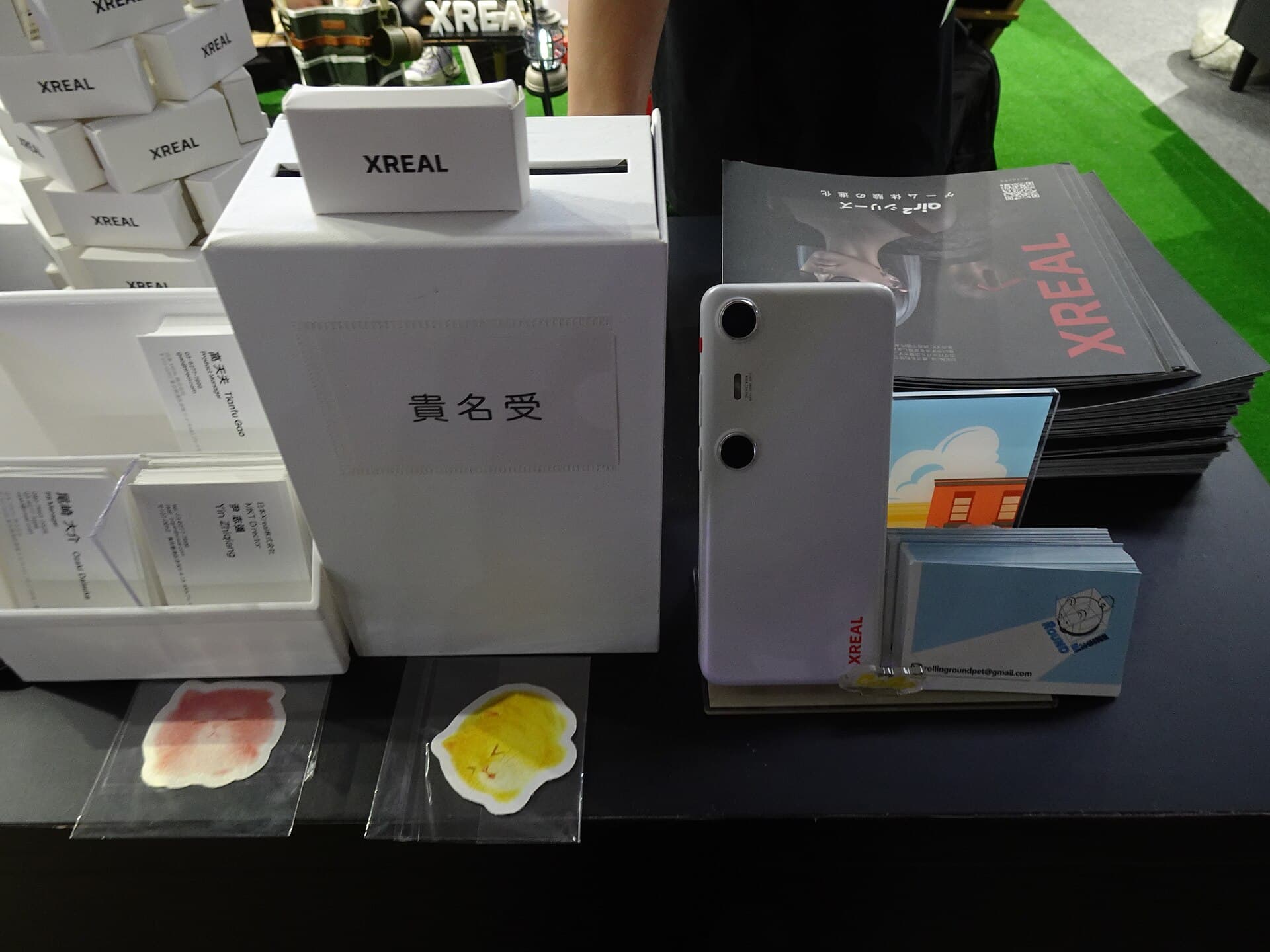
That tension also defines the competitive stakes. Xreal first announced Project Aura in May 2025 as major tech companies, including Apple and Meta, continued pushing toward the next computing platform. Android XR gives Google a chance to widen that race beyond headsets and into glasses, but Project Aura suggests the category still lives between promise and practicality. The hardware can already deliver more immersion; the harder question is whether enough people will accept the compromise required to wear it.
Know something we missed? Have a correction or additional information?
Submit a Tip