Year-Round Safety-First Exercise and Equipment Guide for Hyperenergetic Dogs
A practical, safety-first plan helps owners of hyperenergetic dogs channel drive year-round with workouts, gear choices, and veterinary checks.
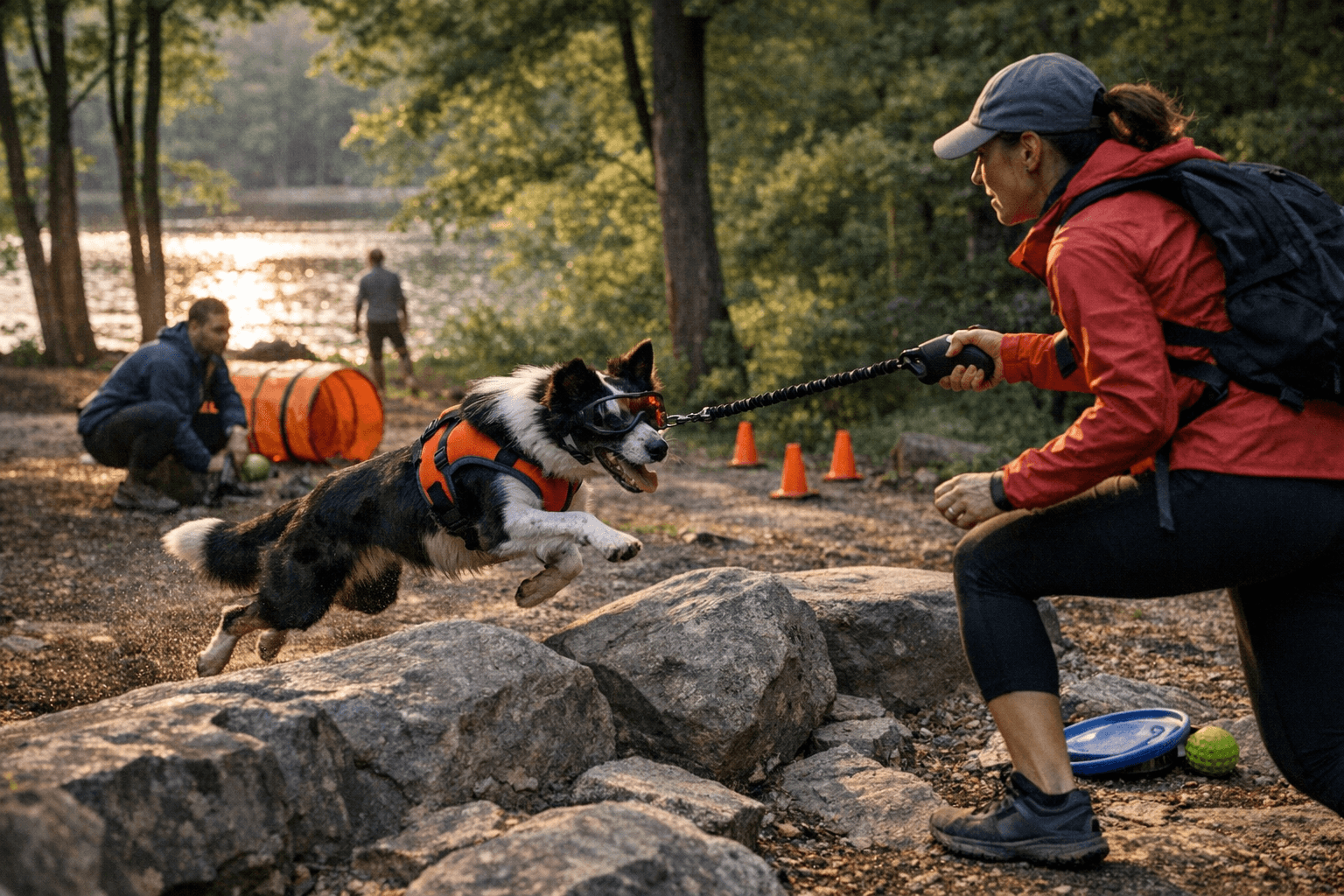
Hyperenergetic dogs need predictable, safety-first outlets that combine physical work, skills practice, and mental enrichment. This article lays out exercise options, indoor backups, equipment considerations, and health checkpoints so owners can reduce injury risk, curb problem behaviors, and keep high-drive dogs engaged in any season.
High-intensity play such as fetch and structured tug sessions deliver immediate cardio and drive release. Structured walks emphasize conditioning and impulse control when free play is inappropriate. Treadmill work provides a reliable year-round cardio option, but requires progressive training, safety features, and veterinary oversight for dogs with joint conditions, cardiac history, or other health concerns. Canine sports like agility, flyball, and dock diving build speed, coordination, and handler-dog teamwork; scent work offers a stamina-friendly mental outlet that slows dogs down while tiring their brains.
Indoor solutions keep routines intact on wet or cold days and on low-activity schedules. Automatic ball launchers expand fetch indoors, while snuffle mats and puzzle feeders convert meals into enrichment sessions. Indoor fetch alternatives and rotated toy libraries prevent boredom and guard against repetitive-strain injuries by varying movement patterns.
Equipment selection must prioritize safety and suitability. Dog treadmills should allow gradual desensitization and speed progression, have emergency stop features, and be used under a veterinarian's advice for dogs with preexisting conditions. Smart activity collars help owners track baseline activity, recovery after sessions, and long-term trends so training and rest days align with the dog's needs. Ball launchers and high-drive toys work well when paired with supervised sessions and regular toy inspection to prevent ingestion or damage.
Plan exercise in balanced workout blocks: combine a cardio segment, a skills or obedience segment, and an enrichment segment each day. Adjust intensity and duration by age, fitness level, and medical status. Puppies and senior dogs need shorter, more frequent sessions and moderated impact. For adult high-drive dogs, mix longer runs or fetch with short bursts of sport training and scent puzzles to satisfy both body and brain.
Safety checkpoints matter. Consult a veterinarian before starting intense exercise programs or treadmill use. Monitor for signs of overexertion and modify sessions when recovery lags. Use progressive ramp-up, scheduled rest days, and breed- or condition-specific modifications to protect joints and cardiovascular health.
Putting this plan into practice means assessing your dog's current fitness, choosing a mix of outdoor and indoor outlets, and using gear with safety as the top criteria. Owners who pair measured physical work with mental enrichment and routine veterinary checks will likely see calmer behavior, fewer injury setbacks, and more consistent performance from their hyperenergetic dogs over the long run.
Know something we missed? Have a correction or additional information?
Submit a Tip