Yen rallies as Japan says coordinated intervention with U.S. possible
Yen strengthens after finance minister warns Tokyo may coordinate intervention with the U.S., rattling FX markets and forcing traders to reassess positions.
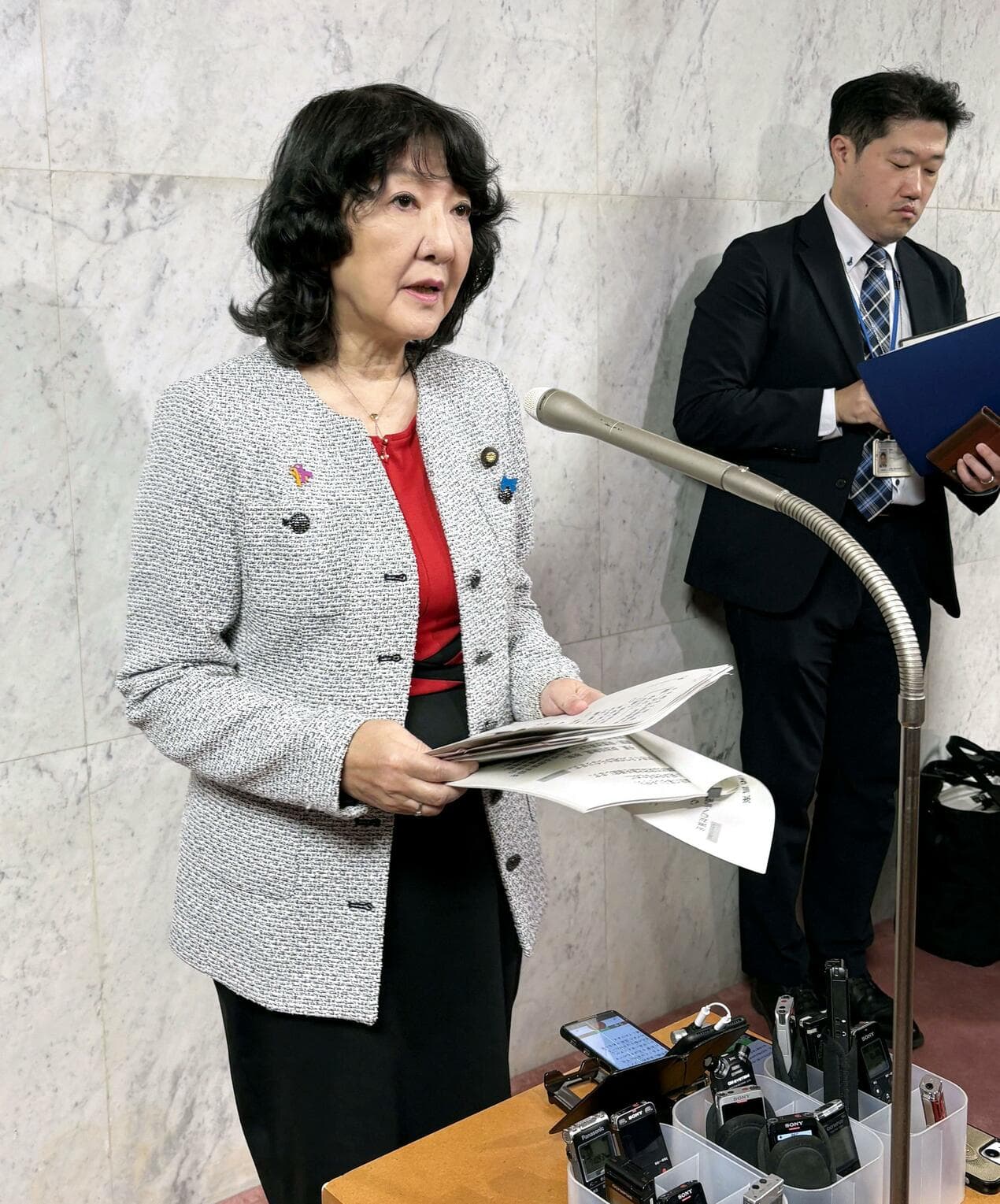
The yen strengthened sharply after Finance Minister Satsuki Katayama warned that Tokyo would not rule out coordinated intervention with the United States to counter what she described as "excessive" foreign‑exchange moves. Her public remarks on Jan. 16 prompted a near‑term repricing of currency risk as traders weighed the political will behind a potential policy shift.
Katayama told reporters that authorities "would take decisive action without excluding any options" to counter excessive moves in the yen, and that recent currency moves "have been excessive." She said she had conveyed that view to U.S. Treasury Secretary Scott Bessent when they met in Washington earlier this week. Asked whether joint intervention with the United States would be realistic, Katayama cited a Japan‑U.S. joint statement from last September that "was extremely significant and included language on intervention," adding that the statement did not specify coordination and therefore "no options are excluded." Separate outlets also quoted her describing Japan as having a "free hand" to take bold action against speculative currency moves.
Markets moved quickly. USD/JPY fell from levels near 160 to intraday prints around 159.45 per dollar and traded in the 159–160 range, with the yen outperforming its Group‑of‑10 peers as trading reflected an elevated risk of intervention. Participants said caution about potential Tokyo action compressed speculative dollar positions and reduced one‑way trades betting on further yen weakness.
The comments arrive amid heightened political and policy uncertainty. Prime Minister Sanae Takaichi is widely expected to call a snap lower‑house election when the Diet convenes next week, and market participants view her likely fiscal expansion as a driver of yen weakness. At the same time, the Bank of Japan has shifted policy, lifting its policy rate by 25 basis points to 75 basis points, the highest in three decades, and some BOJ policymakers see scope to tighten sooner than markets currently price. That mix of expansionary fiscal prospects and a less dovish central bank complicates the outlook for the currency.
Tokyo last carried out official intervention in July 2024, and that precedent looms large for traders recalculating risk. Officials are sensitive to a weak yen because a weaker currency raises import costs and can push up inflationary pressure on households, a politically charged problem as the government seeks broad public support ahead of an election.

The United States signaled receptiveness to clear communication on monetary policy while emphasizing stability. The U.S. Treasury said Secretary Bessent emphasized the need for sound formulation and communication of monetary policy and commented on "the inherent undesirability of excess exchange rate volatility." That language underscores a shared concern about disorderly moves even as it stops short of committing to joint action.
Macro conditions beyond bilateral relations also favored the yen's rebound. U.S. Treasury yields softened, contributing to general dollar weakness and amplifying gains in other currencies, while strong earnings in Asia and optimism over semiconductor demand buoyed regional equities. The net effect for FX markets was a sudden increase in caution.
Analysts say the episode highlights a fragile equilibrium: the yen can rally quickly when policymakers signal intervention is possible, but underlying political incentives for fiscal stimulus and divergent central‑bank paths leave the near‑term trajectory uncertain. Traders will watch Tokyo's next public statements and market liquidity closely for signs of follow‑through or a return to one‑sided dollar strength.
This article was produced by Prism’s automated news system from verified source data, official records, and press releases, then run through automated quality and moderation checks before publishing. The system is built and supervised by the people who set the standards it runs under. Read our full AI policy.
Did this article answer your question?