Your practical guide to downtown Castle Rock parks, trails, and events
Learn where to walk, eat, shop, and find events in Castle Rock.
1. Historic downtown Wilcox Street
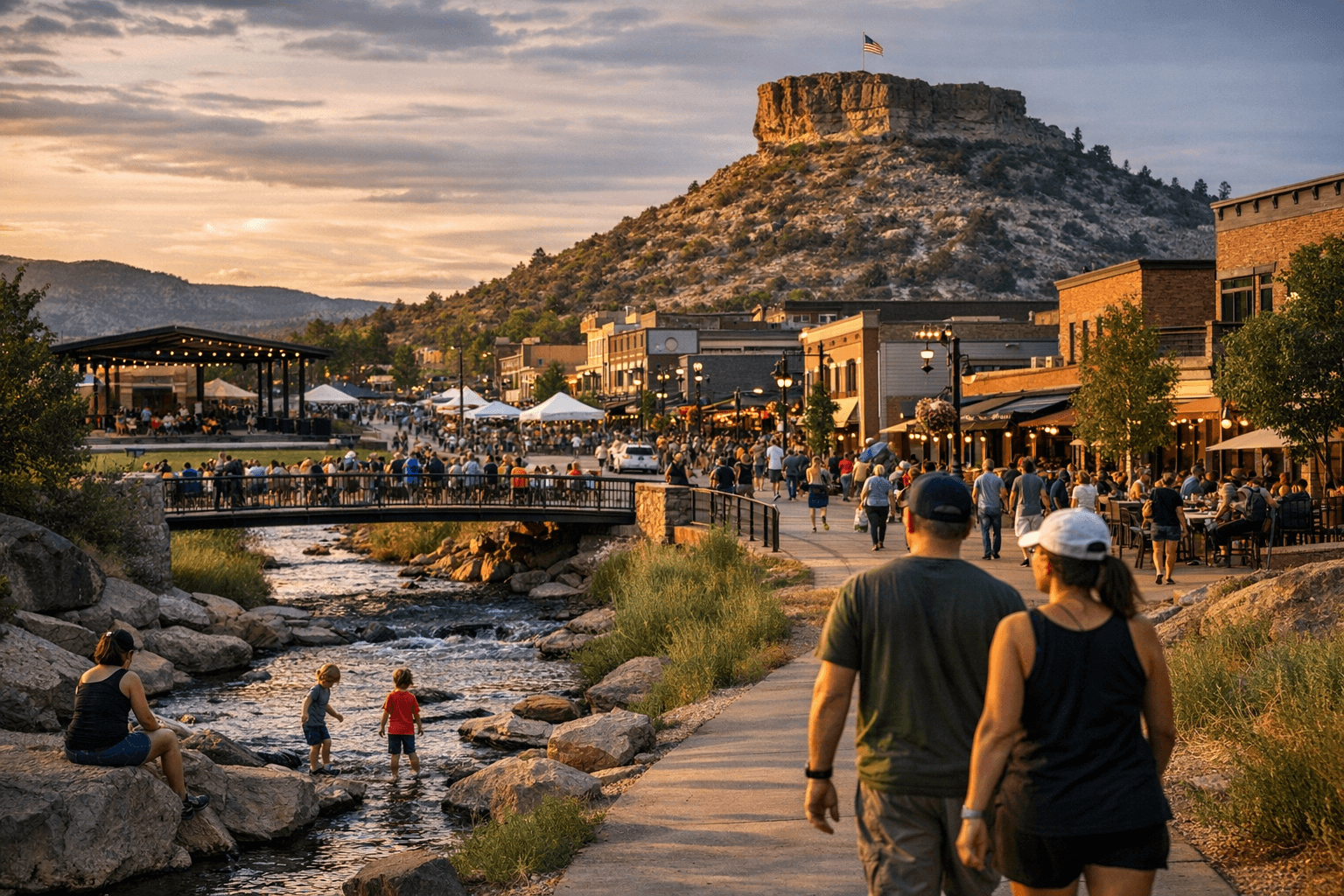
Wilcox Street is the spine of Castle Rock’s historic downtown and the primary gathering place for commerce and civic life. Residents rely on its mix of storefronts, civic buildings, and pedestrian-oriented design to anchor festivals, parades, and routine errands; preserving the character of Wilcox Street shapes local zoning, design review, and parking policy debates. Local officials and neighborhood groups face choices about balancing historic preservation with demand for housing and commercial growth, and every planning decision on Wilcox affects small business viability and walkability for residents.
2. Festival Park programming
Festival Park hosts a range of seasonal programming that draws both residents and visitors into the heart of downtown activity. Regular events, concerts, holiday celebrations, and community festivals, generate foot traffic that sustains nearby restaurants and shops, but they also require coordinated permitting, public safety planning, and budget allocations from municipal agencies. Decisions about event scheduling, funding, and noise or crowd mitigation reflect civic priorities; residents should know how park programming fits within the town’s broader economic-development and quality-of-life goals.
3. Philip S. Miller Park
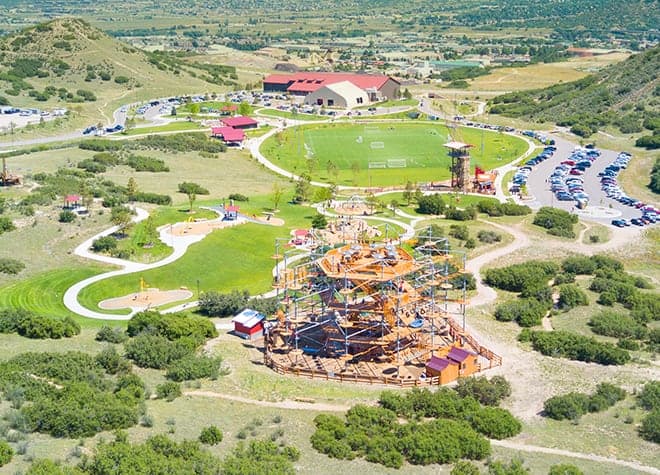
Philip S. Miller Park is a key regional green space frequently referenced as a destination for recreation and community programming outside the downtown core. The park’s role extends beyond recreation: it is part of regional open-space planning and affects transportation access, parking management, and long-term maintenance budgets. When the county or town plans upgrades or large-scale events at Philip S. Miller Park, the trade-offs between recreational investment and routine maintenance funding become local policy questions worth following and influencing.
4. Parks and 87 miles of local trails
Douglas County and Castle Rock together offer an extensive trail network, about 87 miles of trails, linking neighborhoods, parks, and natural areas for recreation and commuting. That trail mileage supports public health, alternative transportation, and tourism, but sustaining it requires recurring funding for trail maintenance, signage, and safety patrols; trails also factor into land-use decisions that shape conservation and development. Residents should track trail master plans, volunteer stewardship programs, and capital-improvement budgets because these shape long-term connectivity and access.
5. Local restaurants and shops
Local restaurants and shops are concentrated around downtown and along feeder corridors, forming the economic backbone of Castle Rock’s service sector and small-business community. Business listings and concentrated foot traffic from parks and events help independent merchants survive, while policy decisions on business licensing, outdoor dining permits, and façade improvement programs materially affect their profitability. Supporting independent businesses through “shop local” initiatives, coordinated business improvement districts, or municipal incentives can preserve downtown character and stabilize tax revenue for public services.
6. Visitor services: maps, events calendar, and business listings
Visitor services provide essential wayfinding and information: trail and park maps, an events calendar, and business listings that help residents and visitors plan outings and support local commerce. These resources typically serve as the single source for seasonal schedules, closures, and park amenities and should be updated regularly to prevent confusion around trail conditions and event logistics. • Tip: check official maps and the events calendar before planning weekend outings; coordinated, accurate listings reduce crowding and improve resident access. • Tip: use business listings to identify local vendors that participate in festivals and farmers markets, which strengthens the local economy.
7. How residents can engage and influence local decisions
Civic engagement around parks, events, and downtown planning translates directly into policy outcomes, funding priorities, permitting rules, and design standards. Attend town council or planning commission meetings, submit comments during public comment periods, and join advisory committees or volunteer stewardship groups to shape decisions on trail maintenance, festival permitting, and downtown zoning. Voting in municipal and county elections matters: local officeholders set budgets and regulatory frameworks that determine whether a trail gets resurfaced, a park program is expanded, or small businesses receive relief during slow seasons.
Closing practical wisdom Keep your plans rock-solid: use the official maps and events calendar as your baseline, show up at one planning meeting a year, and support local small businesses when you attend a festival. Those three actions, staying informed, participating in public processes, and economically backing downtown merchants, are the most direct ways residents can preserve Castle Rock’s character, improve everyday services, and influence where public dollars go.
Sources:
Know something we missed? Have a correction or additional information?
Submit a Tip