YouTube still recommends harmful eating disorder videos to UK teens
YouTube’s suggestions fed a simulated 13-year-old girl one harmful eating-disorder video in four, and 74% of those clips stayed up after being reported.

YouTube recommended harmful eating-disorder videos to a simulated 13-year-old girl in the UK in one of every four suggestions, even after the company came under new child-safety rules meant to limit that exposure. The Center for Countering Digital Hate said the material included thinspiration clips and extreme-diet videos, among them one titled Anorexia Boot Camp.
The group said the problem did not stop at recommendation. When researchers reported the harmful videos, YouTube failed to remove or age-restrict 74% of them, leaving the same content available to be pushed again through the platform’s recommendation loop. That matters because the system can turn a single click, search or watch into a feed of increasingly similar clips, especially for users the platform identifies as young and engaged.
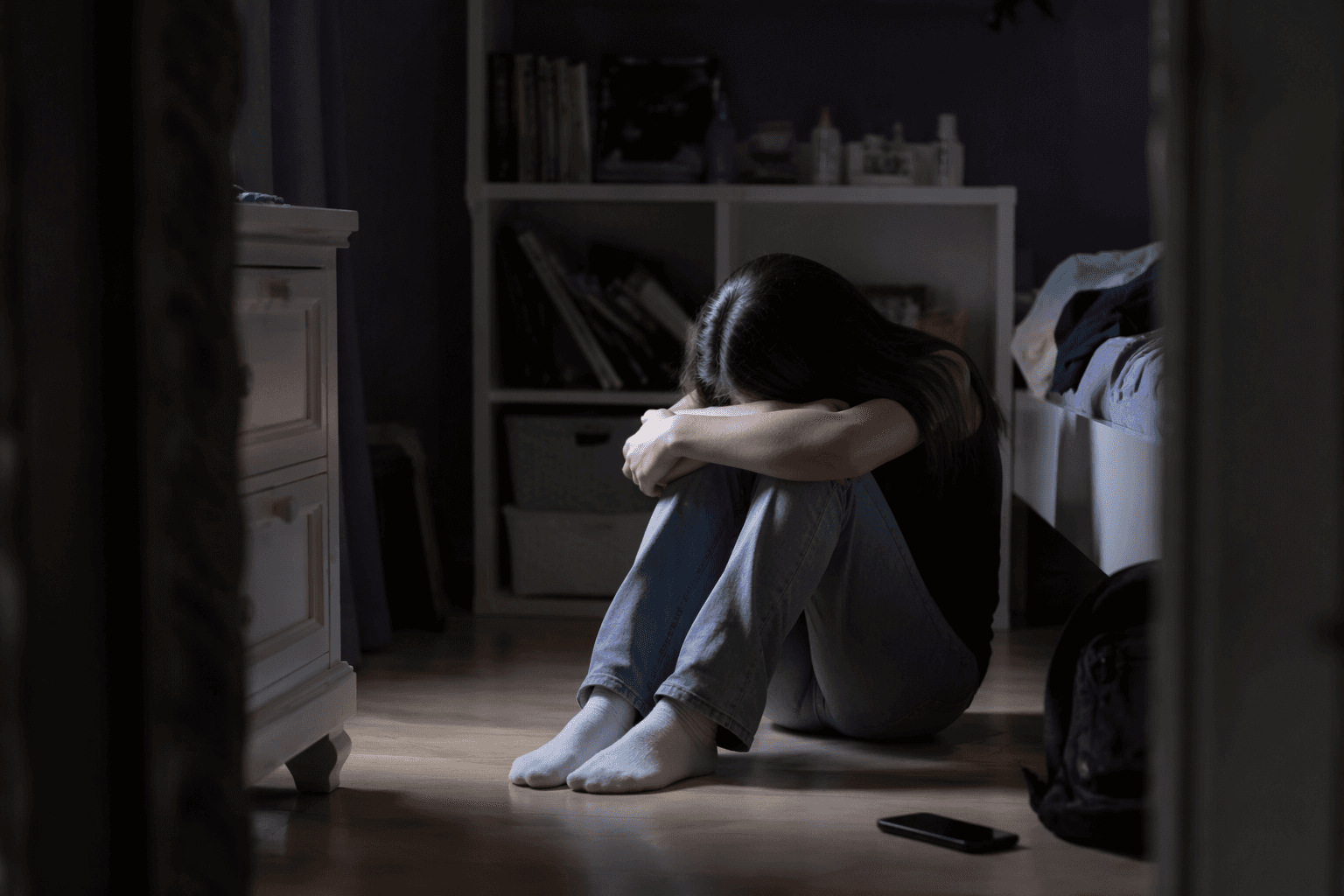
Ofcom finalized more than 40 child-safety measures on April 24, 2025, under the Online Safety Act, which became law on October 26, 2023. The regulator said platforms must prevent children from encountering the most harmful content, including eating disorders, and it identified personalised recommendations as a main route by which children run into damaging material online. Ofcom has said enforcement will follow if companies fail to act.
The enforcement gap has become the central issue. CCDH said the new rules matter because even one harmful recommendation is one too many when the audience is a vulnerable teenager, and the research suggests YouTube has not yet stopped pushing this kind of material. The findings also point to a broader weakness in platform self-policing: rules on paper do not matter if recommendation systems still surface the same harmful content faster than moderators can remove it.
Beat, the eating-disorder charity, has warned that online content promoting eating-disorder behaviors can worsen an existing disorder or help trigger one for the first time. It worked with MPs, peers, Samaritans and the Mental Health Foundation on the legislation, underscoring how closely campaigners have linked the issue to child protection and public health. On that test, the numbers remain stark: 1 in 4 recommendations were harmful, and most of the reported videos stayed live.
This article was produced by Prism’s automated news system from verified source data, official records, and press releases, then run through automated quality and moderation checks before publishing. The system is built and supervised by the people who set the standards it runs under. Read our full AI policy.
Did this article answer your question?