YouTuber’s missing-person search uncovers 750-year-old Hohokam bone
A YouTuber hunting for a missing woman instead found a bone near Tucson that authorities said was about 750 years old and tied to the Hohokam.
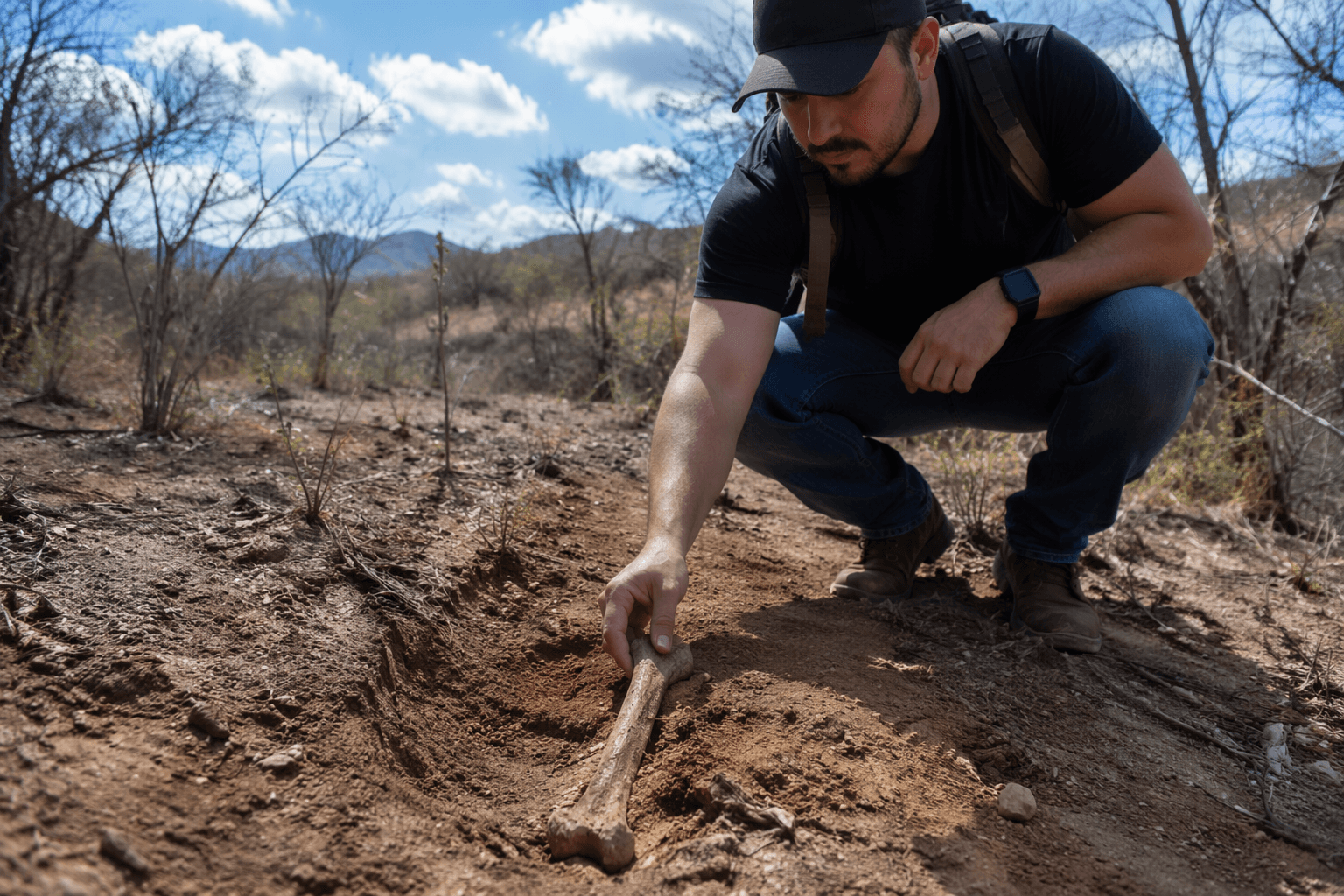
A missing-person search in Tucson took a sharp turn into Arizona’s deep past when a YouTuber and live streamer found a human bone near Nancy Guthrie’s home that authorities later estimated was about 750 years old. What began as a search for a modern disappearance ended as a reminder that internet sleuthing can collide with archaeology in places layered with Indigenous history.
The bone was found on May 7 near North Craycroft Road and East River Road in the Catalina Foothills, about seven miles from Guthrie’s house. Tucson police said the remain was not connected to Guthrie’s disappearance and described the matter as a “prehistoric anthropological investigation,” not a criminal one. That language shifted the significance of the find immediately: this was no breakthrough in a missing-person case, but a disturbance of ancient human remains.
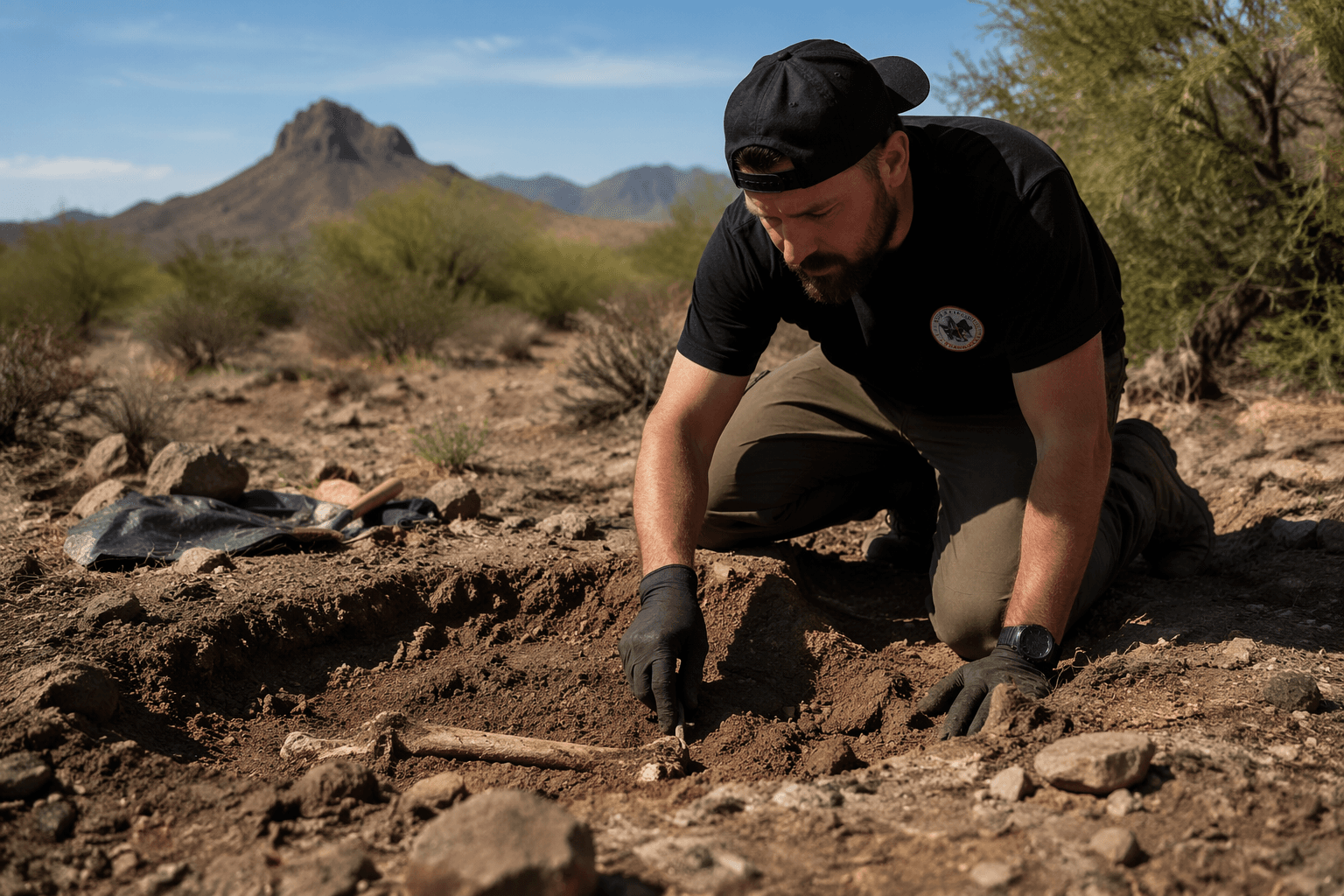
Researchers believed the bone belonged to a member of the Hohokam people, an ancient group treated by modern Indigenous communities in Arizona as ancestral people. The Hohokam occupied southern Arizona for centuries, and the Arizona State Museum dates the Hohokam Pre-Classic Period to about 450-1150 CE and the Classic Period to about 1150-1450 CE. Other authoritative sources place Hohokam occupation of southern Arizona roughly from 450 to 1450 CE, which fits the bone’s estimated age and points to the late Hohokam era.
The discovery laid bare the risks that come with true-crime culture and amateur online investigations. A search driven by fascination with a missing-person case can send nonprofessionals into terrain where evidence is easy to misread and sacred or scientifically significant remains can be disturbed before experts ever see them. In this case, the searcher’s attention was fixed on Nancy Guthrie, but the landscape yielded something far older than any contemporary mystery.
For archaeologists and law enforcement alike, the episode underscored a basic tension in the age of viral sleuthing: public curiosity can keep unresolved cases alive, but it can also place fragile heritage at risk. In the Catalina Foothills, that risk produced not a clue to a disappearance, but a direct encounter with a human past that predates Tucson’s modern roads, neighborhoods and online investigations by centuries.
Know something we missed? Have a correction or additional information?
Submit a Tip