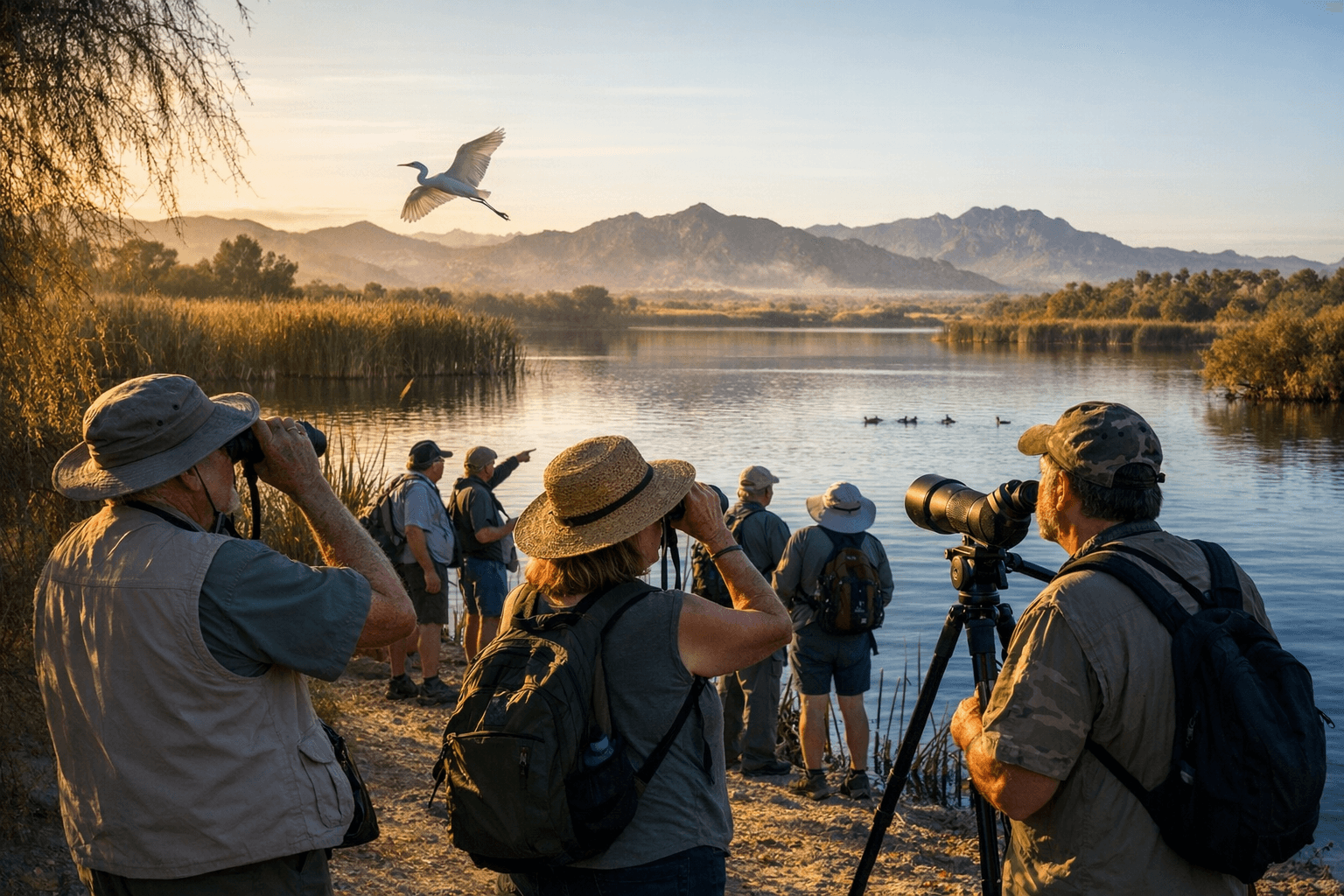
Yuma's Kofa Refuge: Remote Wilderness, Palm Canyon, Bighorn Sheep Habitat
Kofa National Wildlife Refuge protects desert bighorn habitat and Palm Canyon palms; Yuma field office provides maps and safety guidance for remote backcountry visits.
Kofa National Wildlife Refuge spans more than 660,000 acres of southwestern Arizona, including a portion in Yuma County, and was established in 1939 to protect desert bighorn sheep. The refuge is managed as largely wilderness, offering primitive, backcountry wildlife viewing and hiking opportunities that matter to Yuma residents for recreation, conservation and public safety.
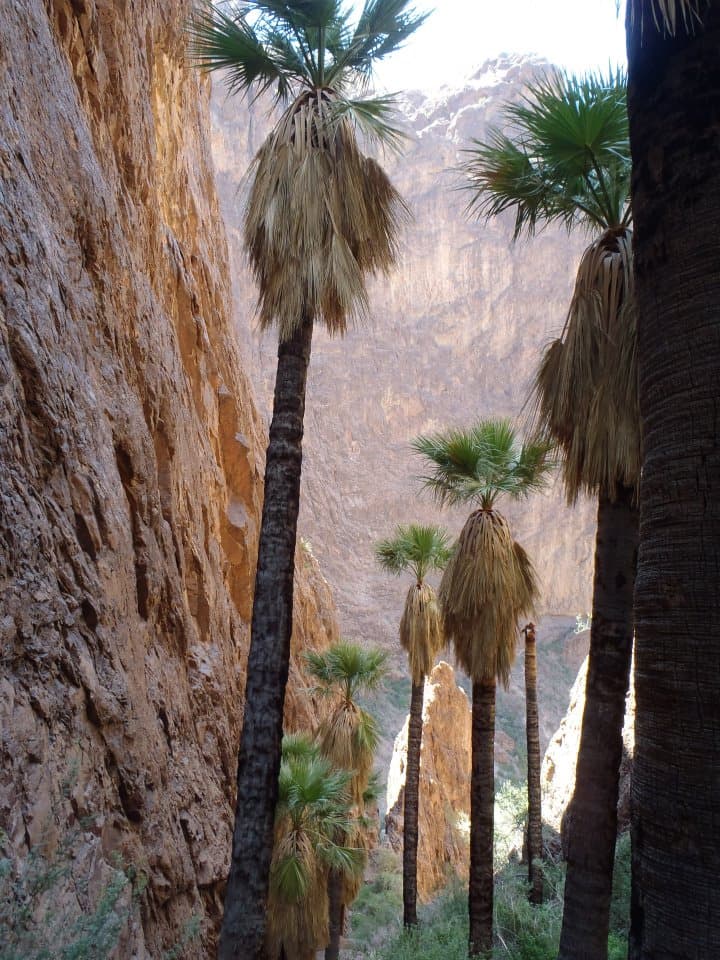
Palm Canyon, a short National Recreation Trail on refuge lands, contains stands of Arizona’s native California fan palms and is one of the most accessible natural landmarks inside Kofa. Visitors seeking that “oasis” encounter should be aware that the refuge does not operate a visitor center on-site. Instead, the U.S. Fish and Wildlife Service provides visitor contact, brochures, maps, species lists and guidance through the Yuma field office. Those materials include information on desert bighorn sheep and other desert wildlife, plus recommended driving and hiking routes and safety advice tailored to remote, rugged conditions.
Access and conditions on Kofa influence local use patterns. The refuge’s designation as a wildlife sanctuary anchors regional conservation efforts for desert bighorn sheep and preserves large tracts of undeveloped habitat immediately adjacent to communities in Yuma County. At the same time, the refuge’s backcountry character means visits require preparation: water and navigation planning, vehicle readiness for remote roads, and familiarity with low-cellular-coverage areas. Local emergency response and search-and-rescue resources can be strained when visitors underestimate those conditions, so advance planning and consultation with the Yuma field office are practical steps for residents and visitors.
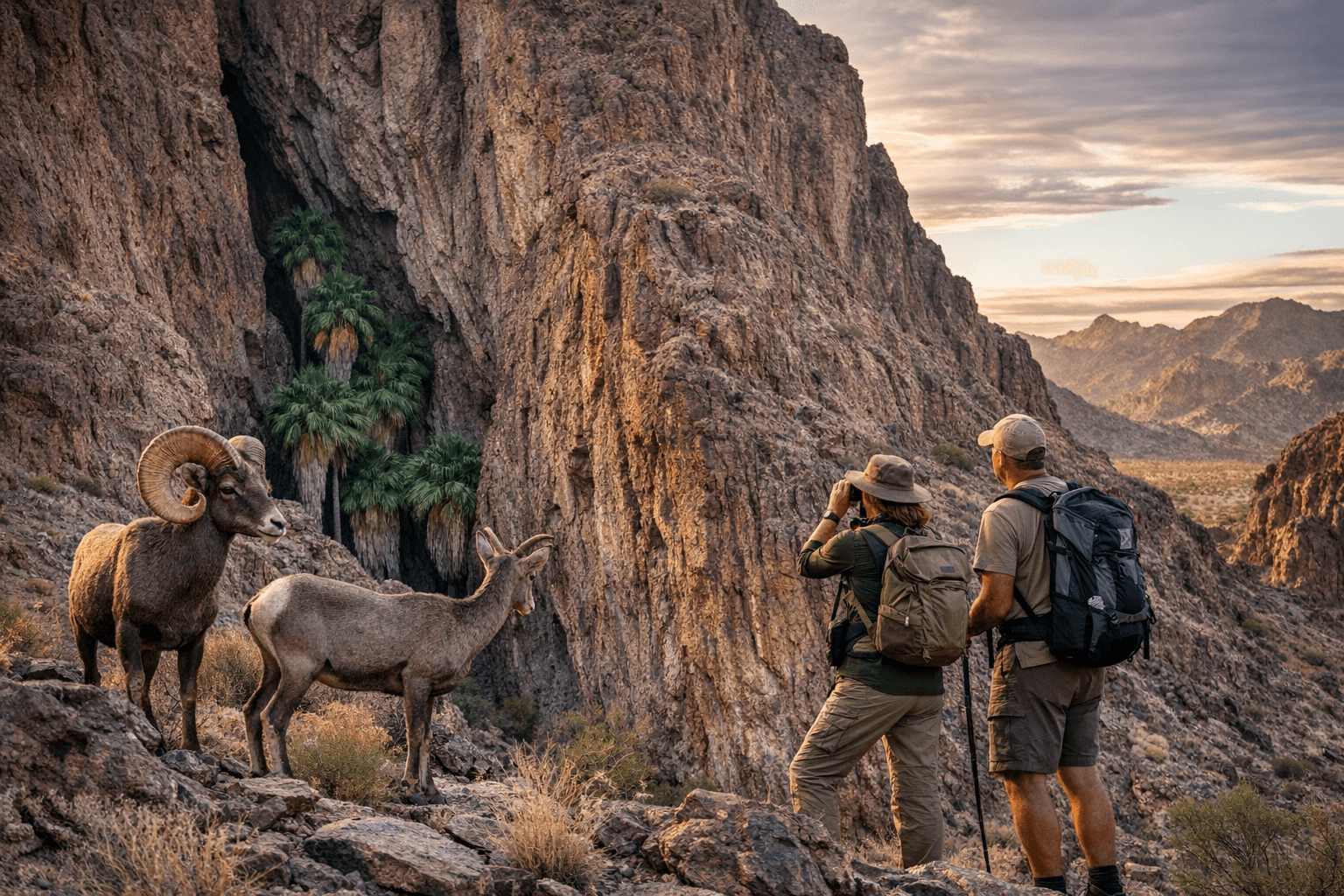
The U.S. Fish and Wildlife Service materials available at the Yuma field office include maps and species lists that can help residents plan outings and understand seasonal wildlife patterns. For Yuma County outdoor users, Kofa presents both an opportunity and a stewardship responsibility: it offers rare wildlife viewing and rugged trails, but it depends on informed, careful public use to maintain habitat protections that date back to the refuge’s 1939 founding.
Kofa’s role in protecting desert bighorn sheep and preserving desert palm stands ties conservation to local quality of life and recreation economies. For Yuma County readers, the immediate takeaway is practical: consult the Yuma field office for maps and safety guidance before heading into Kofa National Wildlife Refuge, respect the refuge’s wilderness rules, and prepare for true backcountry conditions so you can enjoy Palm Canyon and the larger refuge without adding risk to yourself or strain to local services.
Sources:
Know something we missed? Have a correction or additional information?
Submit a Tip