Zambia stalls U.S. health deal over privacy concerns, minerals access ties
Zambia froze a proposed U.S. health pact worth up to $2 billion after balking at data-sharing rules and a minerals-for-aid linkage.
Zambia has stalled negotiations on a sweeping U.S. health agreement after objecting to privacy provisions and to what Lusaka sees as an attempt to tie public health aid to preferential access for critical minerals. Foreign minister Mulambo Haimbe said on May 4 that the proposed deal, worth up to $2 billion over five years, had run into trouble because of data-sharing terms Zambia said would violate privacy rights.
The breakdown exposed the practical tensions inside the Trump administration’s America First rewrite of foreign assistance. The State Department’s global health strategy, rolled out in September 2025, said the United States would move to multi-year bilateral agreements, seek co-investment from recipient governments, and complete agreements with most countries by December 31, 2025, with implementation beginning by April 2026. The department framed the approach as a way to reduce dependency on foreign assistance, protect the United States from infectious disease outbreaks, and align aid more directly with U.S. interests.
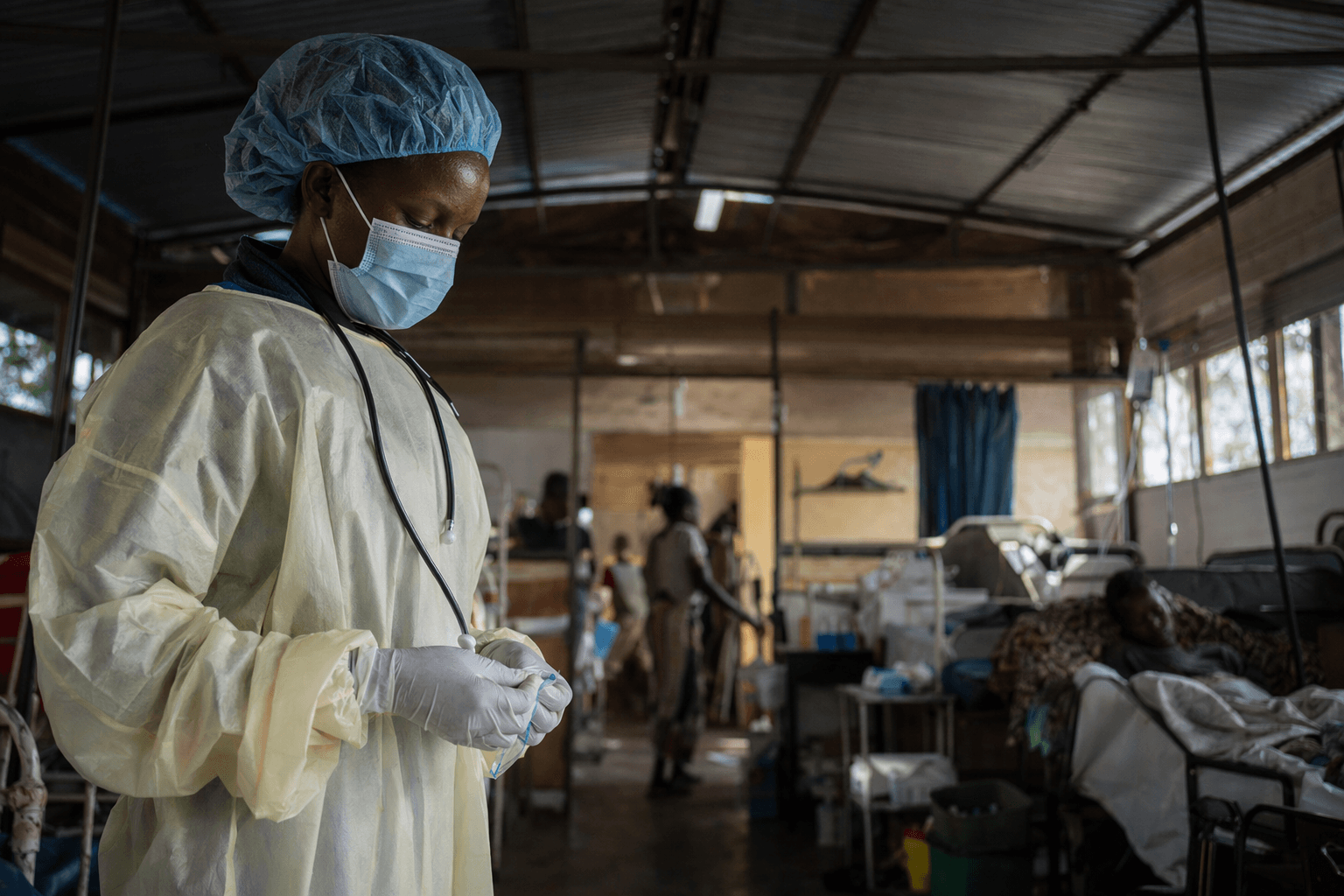
That broader shift has been paired with a new minerals push across Africa. On February 4, Secretary of State Marco Rubio hosted the inaugural Critical Minerals Ministerial in Washington, drawing delegations from more than 50 nations to advance secure and resilient supply chains. The administration has presented health diplomacy and minerals diplomacy as parallel tools of statecraft, but Zambia’s objections show how quickly the two can collide when aid comes with strategic conditions attached.
Zambia matters because it has long been a major recipient of U.S. health and development support and a supplier of minerals the United States wants to secure. The State Department has previously described U.S. assistance to Zambia as totaling close to $500 million a year, with major support for HIV/AIDS programs, clean water, sanitation, governance, and education. U.S. imports from Zambia include copper, cobalt, and gemstones such as emeralds, making the country relevant both to public health policy and to supply-chain strategy.
The dispute also underscores wider unease in Lusaka over resource nationalism and foreign influence in mining terms. For Washington, Zambia has become a test case for whether an America First model can preserve the scale of past health programs while making aid more transactional and tied to strategic leverage. For Lusaka, the talks have raised a sharper question: whether the next generation of U.S. health financing will arrive as partnership, or as bargaining over data and minerals.
This article was produced by Prism’s automated news system from verified source data, official records, and press releases, then run through automated quality and moderation checks before publishing. The system is built and supervised by the people who set the standards it runs under. Read our full AI policy.
Did this article answer your question?