Zelenskiy Announces Talks With U.S. Leaders On Troop Presence
Ukrainian President Volodymyr Zelenskiy says he has discussed the possible deployment of American troops to Ukraine with U.S. leaders, including President Trump, as part of long term security guarantees within an emerging peace framework. The proposal, if advanced, would reshape the postwar security architecture in Europe and raise immediate legal and political questions for Kyiv, Washington and NATO.
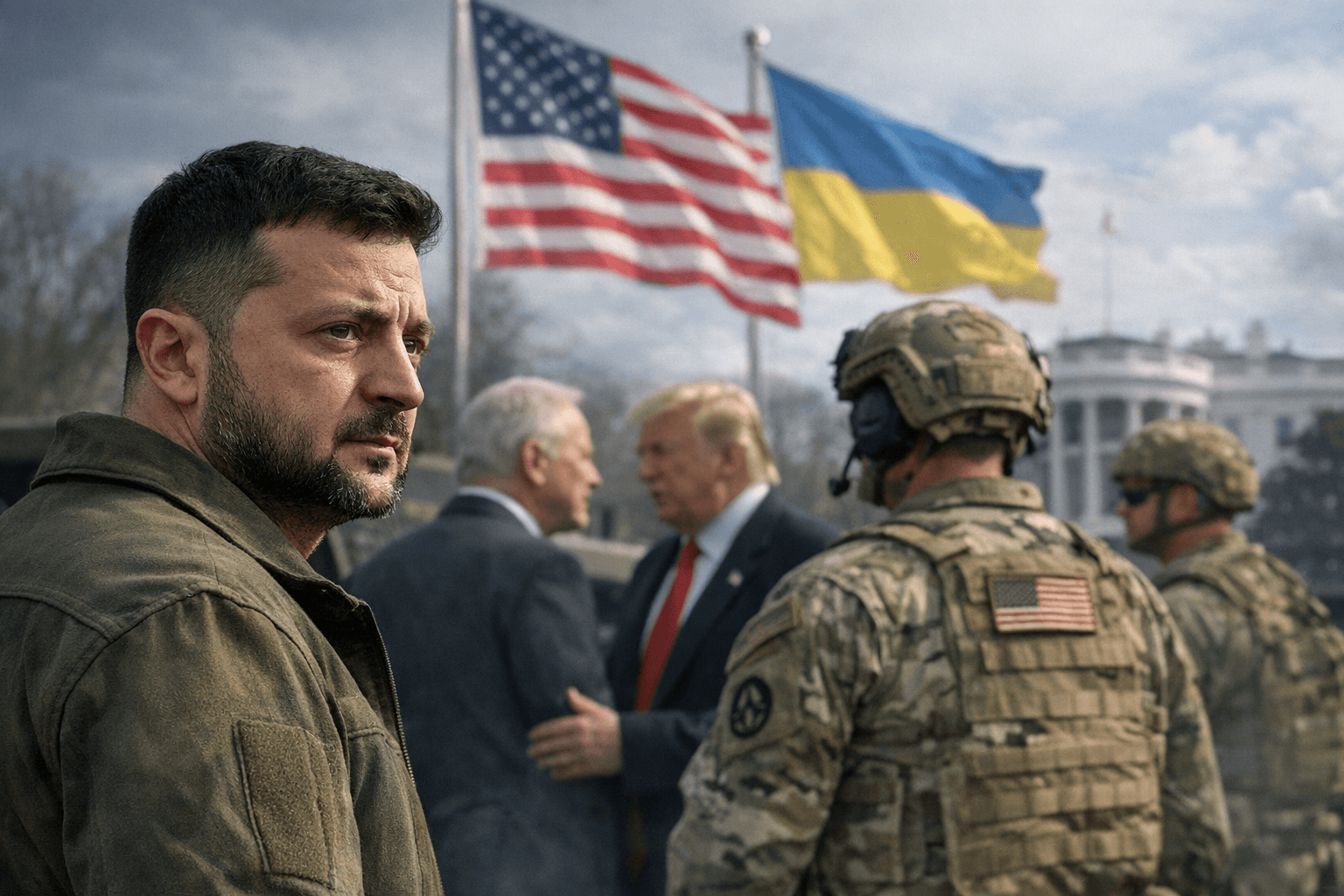
President Volodymyr Zelenskiy told reporters on December 30 that discussions have taken place with U.S. leaders, including President Trump, about the possible deployment of American troops to Ukraine as one element of long term security guarantees within an emerging peace framework. The announcement marks a striking turn in public discourse over Ukraine's security arrangements after more than three years of war and international diplomacy.
Zelenskiy's comments do not include specifics on troop numbers, mission scope, timelines or basing arrangements. Even a limited U.S. military presence would require complex bilateral agreements and legal authorizations in both capitals. In Kyiv, the deployment would need to be incorporated into any peace deal and ratified through Ukraine's domestic procedures. In Washington, sustained use of U.S. forces overseas would trigger statutory and political mechanisms that typically involve consultation with or approval from Congress.
The proposal would also test NATO's posture. Ukraine remains outside the alliance, and the presence of U.S. personnel on Ukrainian soil would create new dynamics for collective defense commitments. Allies would face strategic choices about how to coordinate deterrence and reassurance while avoiding a direct military confrontation with Russia. Moscow has consistently objected to foreign troops in Ukraine, and an American footprint in the country would almost certainly draw a strong response from the Kremlin, raising the risk of escalation even as it aims to deter renewed aggression.
Policy experts note the distinction between different forms of military presence. Rotational advisory and training teams are operationally distinct from combat forces, and basing arrangements carry longer term political implications. Any U.S. deployment framed as a component of security guarantees would have to clarify whether it is intended as a tripwire deterrent or as practical capacity building to anchor a durable ceasefire and enforcement mechanism.
Domestically in the United States, the proposal is likely to sharpen partisan and institutional debates. Congress has shown support for Ukraine through aid packages and weapons transfers, yet direct troop commitments abroad remain politically sensitive. The War Powers Resolution and other legal frameworks create a pathway for oversight and debate, but they do not remove the potential for sharp divisions over whether and how to commit American service members.
For Ukrainians, the idea of foreign troops on national territory presents its own political challenge. Public opinion will weigh sovereignty concerns against the desire for credible security guarantees that make a negotiated peace sustainable. Ukrainian legislators and civil society will press for transparency on the terms, duration and legal safeguards of any arrangement.
Zelenskiy's disclosure signals that negotiations over a postwar settlement are entering phases where hard security guarantees are on the table. The next steps will require detailed proposals, legal drafting and parliamentary scrutiny in both countries, alongside multilateral consultations with allies whose consent and cooperation would be essential to any credible long term framework.
This article was produced by Prism’s automated news system from verified source data, official records, and press releases, then run through automated quality and moderation checks before publishing. The system is built and supervised by the people who set the standards it runs under. Read our full AI policy.
Did this article answer your question?