Zelenskiy Names Spy Chief Kyrylo Budanov Presidential Chief of Staff
President Volodymyr Zelenskiy announced on Jan. 2 a sweeping reshuffle of his presidential office that elevates intelligence chief Kyrylo Budanov to the powerful role of chief of staff. The move places a battle-tested security operative at the heart of Kyiv’s political decision making at a delicate moment of U.S. pressure, ongoing negotiations, and domestic concern about corruption.
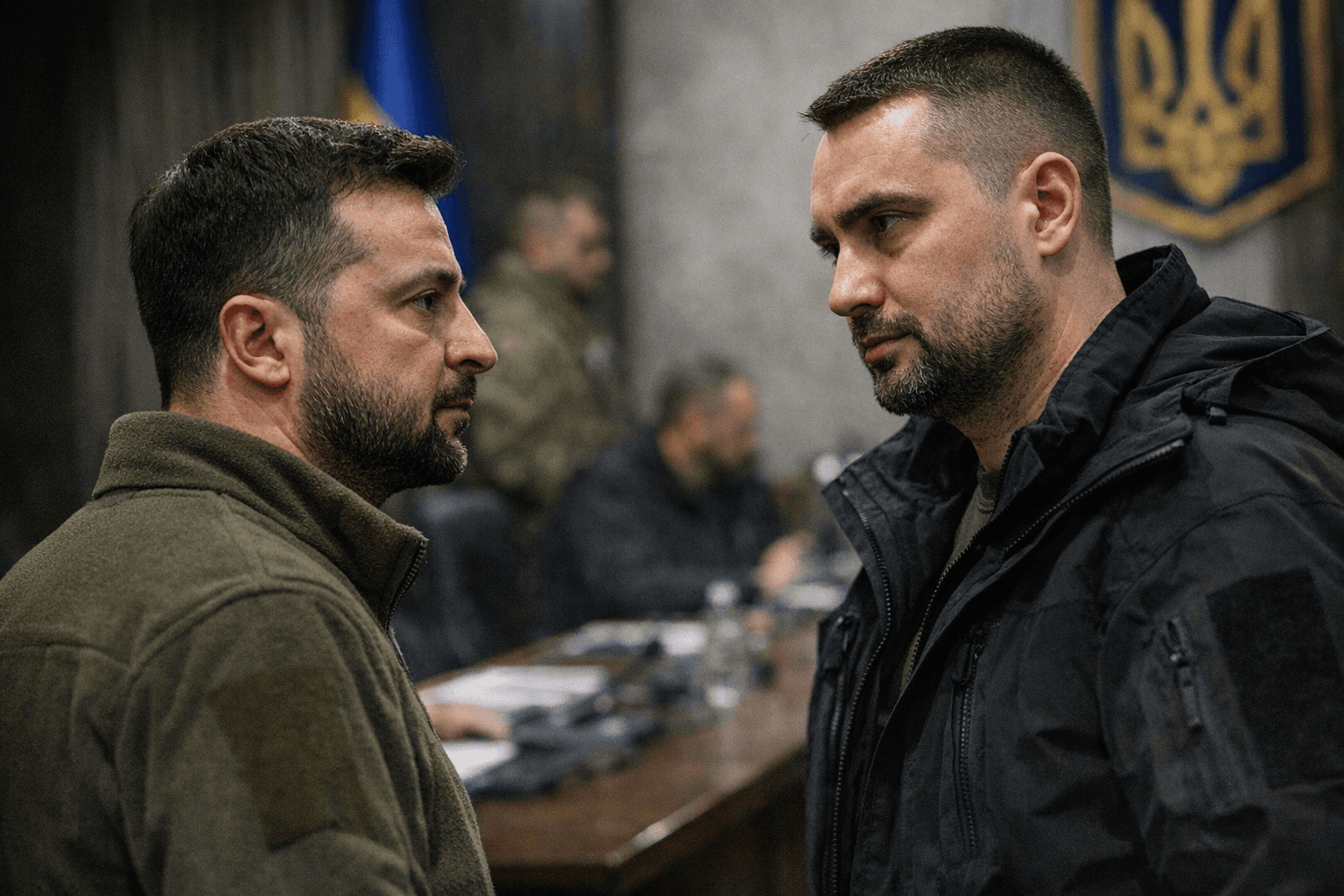
President Volodymyr Zelenskiy on Jan. 2 appointed Lt. Gen. Kyrylo Oleksiiovych Budanov as presidential chief of staff, signaling a clear pivot toward security expertise at the center of Ukraine’s government as Kyiv navigates intense diplomatic pressure and a contentious domestic politics. The announcement, made in Kyiv, transfers one of Ukraine’s most visible military intelligence figures from operational command to the presidential office.
Budanov, 39, who was born on Jan. 4, 1986, has led the Main Directorate of Intelligence (GUR) since his appointment on Aug. 5, 2020. He is widely described in Ukrainian reporting as a patriotic and decisive operator, credited with daring actions against Russian forces since the full-scale invasion in February 2022 and noted for having warned of Moscow’s broad campaign before it began. He holds the rank of lieutenant general and served previously as deputy director of a department of the Foreign Intelligence Service.
In a Telegram post confirming he had accepted the nomination, Budanov wrote that he would “continue to serve Ukraine.” He added, “It is an honour and a responsibility for me to focus on critically important issues of strategic security for our state at this historic time for Ukraine.” The text framed the appointment as a national-security priority, rather than a routine bureaucratic change.
The personnel shift also sets in motion leadership changes within Ukraine’s intelligence services. Oleg Ivashchenko, currently head of the Foreign Intelligence Service, will succeed Budanov as head of the GUR, with the formal transfer to follow Budanov’s move into the presidential office. Details of the decrees and formal appointment texts were flagged for follow-up, including the official timing of Ivashchenko’s elevation.
Budanov replaces Andriy Yermak as chief of staff. Yermak resigned in November amid a sweeping corruption probe that saw investigators raid his home, events that raised public questions about governance inside the presidency and prompted calls for a reset in political trust. The change is explicitly aimed at restoring credibility and projecting tighter strategic control at a moment when Ukraine is balancing battlefield needs with high-stakes diplomacy.
The appointment comes as Kyiv faces intense international pressure to explore negotiated settlement options with Moscow. President Zelenskiy recently said a U.S.-brokered deal was “90 per cent” ready, and officials in Kyiv and Washington have been reported to be working on a 20-point plan intended to create a framework for ending the war. Placing a military intelligence chief in the chief of staff role underscores a calculation that battlefield knowledge and public trust are essential bargaining chips in any possible negotiation.
For partners and adversaries alike, the move signals that Ukraine intends to keep security and operational expertise at the forefront of policy coordination. Internationally, it raises questions about how intelligence-driven priorities will shape diplomacy, compliance with international law, and any terms negotiated to halt hostilities. Domestically, it aims to reassure a public unsettled by corruption allegations while concentrating crisis management in a single, security-focused office.
This article was produced by Prism’s automated news system from verified source data, official records, and press releases, then run through automated quality and moderation checks before publishing. The system is built and supervised by the people who set the standards it runs under. Read our full AI policy.
Did this article answer your question?