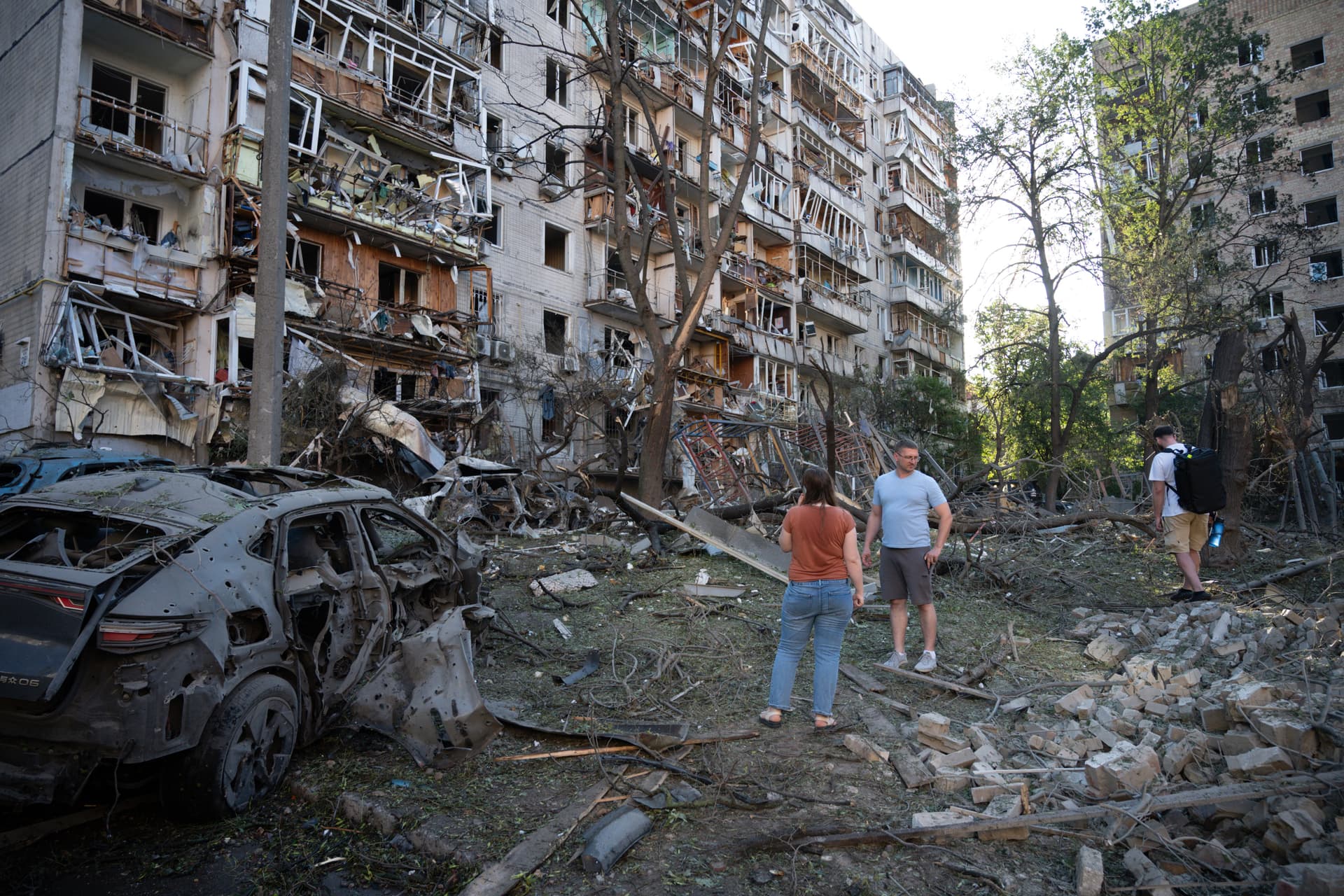
Zelenskiy vows preemptive strikes on Russian war facilities
Zelenskiy said Ukraine will strike Russian war facilities before they can be used, widening a campaign that has already hit refineries, pipelines and fuel depots.

Volodymyr Zelenskiy said Ukraine would carry out preemptive attacks on facilities Russia uses for its war, sharpening a campaign that has already pushed beyond battlefield lines and into the infrastructure that keeps Russian forces moving. He said he had instructed Ukrainian intelligence services and the military to act preemptively against sites tied to Moscow’s war effort.
The term matters because it signals more than tougher language. In operational terms, preemptive strikes are meant to hit a military asset before it can be used in an attack or sustain an operation. In legal terms, the claim edges closer to anticipatory self-defense, a far narrower and more contested standard than retaliation after the fact. That shift would suggest an expansion in target selection, not just a change in tone.
Zelenskiy’s own presidency website had already framed the campaign as one aimed at Russia’s war machine. In a June 24 transcript, he said Ukrainian forces were taking out targets that sustain Russia’s war effort in occupied Ukrainian territory and on Russian soil. On June 1, he said Ukraine had struck 15 Russian oil refineries between January and May 2026, underscoring how deeply the campaign had spread into the energy network.

The pressure is showing up in Russia’s fuel system. The Moscow oil refinery in Kapotnya, on the southern outskirts of the capital, was hit twice in mid-June, on June 16 and June 18, and the damage is expected to keep it offline for at least six months. Official Russian data published Wednesday showed production of petroleum products and coke fell 13.5% year on year in May, while wholesale AI-95 gasoline and diesel prices rose 10% in the first half of June. More than half of Russia’s 83 regions have faced gasoline shortages, and authorities have tightened purchase limits in several places, including Crimea.

The timing raises the escalation risk. Russia is considering a complete diesel export ban, and officials have also weighed sea imports of petrol, a rare step for one of the world’s largest oil-product exporters. For Moscow, the new phase forces harder choices over refinery protection, air defenses and fuel allocation. For Ukraine, it shows a strategy built on making the war more expensive to sustain, with the “long-range sanctions” campaign moving deeper into the systems that keep Russia’s army and home front supplied.
This article was produced by Prism’s automated news system from verified source data, official records, and press releases, then run through automated quality and moderation checks before publishing. The system is built and supervised by the people who set the standards it runs under. Read our full AI policy.
Did this article answer your question?