Zelenskyy visits Estonia as Nordic, Baltic leaders weigh support
Zelenskyy’s Tallinn stop turned the Nordic-Baltic summit into a test of whether smaller allies can turn concern over drones into air defenses and sanctions.
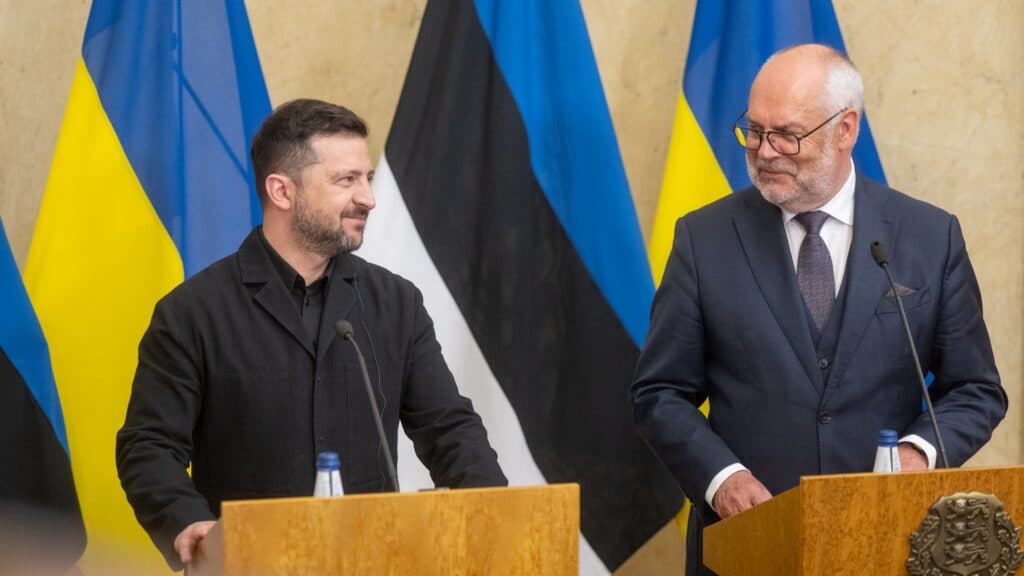
Volodymyr Zelenskyy’s stop in Tallinn put the Nordic-Baltic Eight on the spot: can a tight bloc of frontline-minded allies move faster on Ukraine than Europe’s bigger powers? The Ukrainian president arrived in Estonia on June 9, 2026, for a summit hosted by Prime Minister Kristen Michal, with President Alar Karis also set to meet him in the capital.
The meeting carried more weight than a routine show of support. Estonia held the rotating NB8 presidency this year, and the format brought together the five Nordic countries and three Baltic states at a moment when Kyiv is still pressing for military and diplomatic backing as Russia’s war grinds on. For Zelenskyy, the practical question is whether this group can help produce tangible battlefield gains, not just statements of solidarity.
That urgency has been sharpened by a string of drone incidents that have rattled the region. The most striking in Estonia came on March 25, when a drone that entered from Russian airspace struck a chimney at the Auvere power station in Ida-Viru County. Estonian Public Broadcasting reported that no one was injured and the power infrastructure was not damaged, but the episode fed wider concern about how far the war’s spillover could reach.
Reuters has reported that military drones straying into the airspace of Finland, Estonia, Latvia and Lithuania have intensified fears that the conflict in Ukraine is spilling into NATO’s northern border. In Latvia, the drone issue was also linked to a government collapse earlier in 2026, underlining how these incidents are no longer isolated security nuisances but political shocks with real consequences.
That is why the Tallinn summit matters beyond symbolism. Zelenskyy’s best-case outcome would be concrete commitments on air defense, training, financing and tighter sanctions enforcement, the kinds of measures that can be translated into protection for cities, power stations and supply lines on the battlefield. For the Nordic and Baltic states, the test is whether their proximity to Russia makes them quicker to act than larger NATO capitals that often move more slowly.
The diplomacy in Tallinn also matters because it links battlefield pressure to regional security. A coalition that can help Ukraine blunt drones, harden borders and keep sanction regimes tighter would shape not only the war’s trajectory but also the credibility of Europe’s eastern flank.
This article was produced by Prism’s automated news system from verified source data, official records, and press releases, then run through automated quality and moderation checks before publishing. The system is built and supervised by the people who set the standards it runs under. Read our full AI policy.
Know something we missed? Have a correction or additional information?
Submit a Tip