Zimbabwe senate approves bill to extend presidential terms to seven years
Zimbabwe’s Senate backed a bill that would let lawmakers choose the president and stretch presidential terms to seven years, with a 75-4 vote.
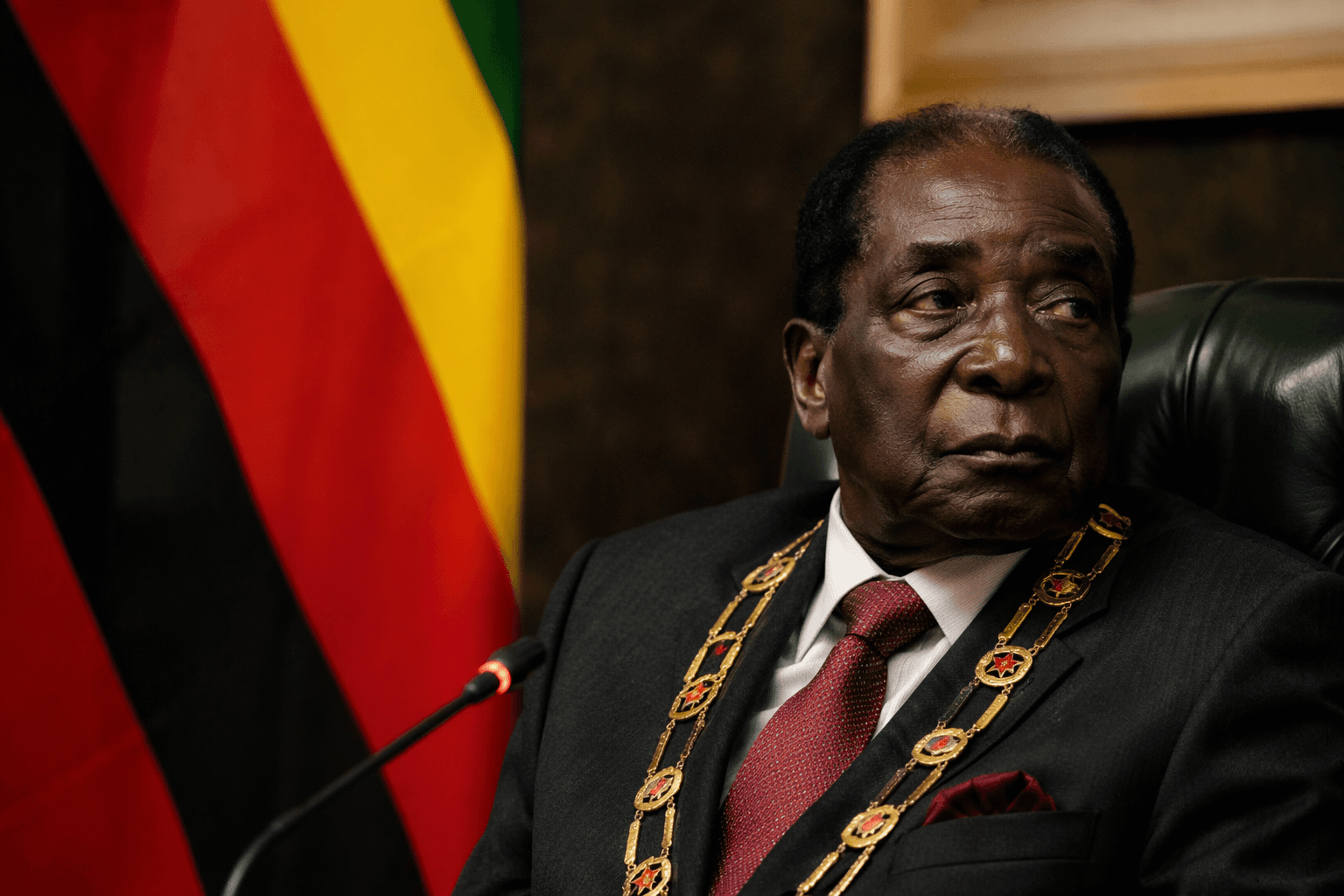
Zimbabwe’s Senate approved a constitutional amendment bill on Wednesday that would stretch presidential terms from five years to seven and replace direct popular election of the president with selection by lawmakers. The upper house passed the measure 75-4, clearing the two-thirds threshold needed for constitutional change, but the bill still required President Emmerson Mnangagwa’s signature to become law.
The legislation would do far more than lengthen one officeholder’s tenure. It would push the next presidential election from 2028 to 2030, extend the terms of parliament and local authorities to seven years, and shift voter registration and voter-roll maintenance from the Zimbabwe Electoral Commission to the Registrar-General. It would also create a new Zimbabwe Electoral Delimitation Commission and enlarge the Senate from 80 members to 90, with 10 additional presidential appointees selected for professional skills and competencies.
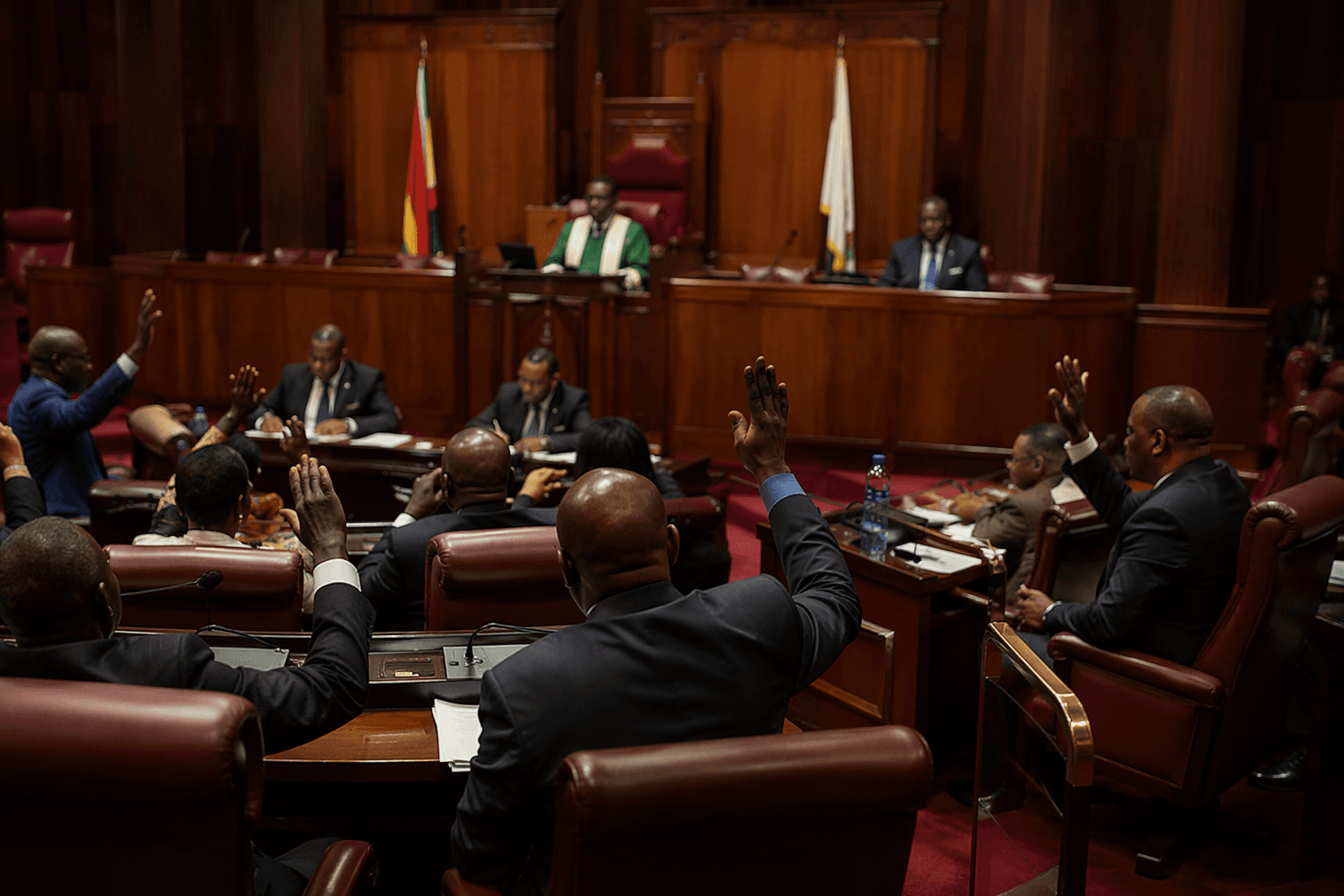
Zimbabwe’s National Assembly had already passed the bill on June 18 by 216 votes to 42, comfortably above the 187-vote threshold required in the 280-seat chamber. Thirty-five opposition lawmakers backed the measure there, underlining how deeply the issue has cut across party lines and how fractured the opposition remains.
The political stakes are heightened by Mnangagwa’s own trajectory. Now 83, he came to power after the 2017 military coup that ousted Robert Mugabe, who had ruled Zimbabwe since independence in 1980. Supporters began chanting at ZANU-PF rallies about two years ago that he needed more time to finish his agenda, a sign that the push to extend his stay had been building well before the bill reached parliament. ZANU-PF resolved last year to change the constitution, and cabinet backed the plan in February.
Critics have treated the proposal as a direct challenge to Zimbabwe’s 2013 constitutional settlement. Human rights lawyers, activists, opposition figures and some war veterans have argued that a shift of this magnitude should go to a referendum rather than be carried by parliament alone. A Constitutional Court challenge filed by six liberation war veterans and former legislator Prince Dubeko Sibanda was dismissed, removing one legal barrier to the reform.
Justice Minister Ziyambi Ziyambi, who is sponsoring the bill, has rejected claims that it would undermine the constitutional order. But the design of the amendment would change more than term lengths. By moving presidential selection from the ballot box to a joint sitting of parliament, it would weaken direct electoral accountability and deepen fears that constitutional rules are being rewritten to favor incumbency. If Mnangagwa signs the bill, Zimbabwe’s 2028 election timetable will slip to 2030, and the country’s institutions will enter a new test over who gets to choose its leader.
This article was produced by Prism’s automated news system from verified source data, official records, and press releases, then run through automated quality and moderation checks before publishing. The system is built and supervised by the people who set the standards it runs under. Read our full AI policy.
Know something we missed? Have a correction or additional information?
Submit a Tip