Zuckerberg Privately Offered Musk DOGE Help, Discussed OpenAI Bid, Court Docs Show
Zuckerberg told Musk his Meta teams were "on alert" to remove threats against DOGE staff, then fielded a pitch to jointly buy OpenAI's assets, court texts show.
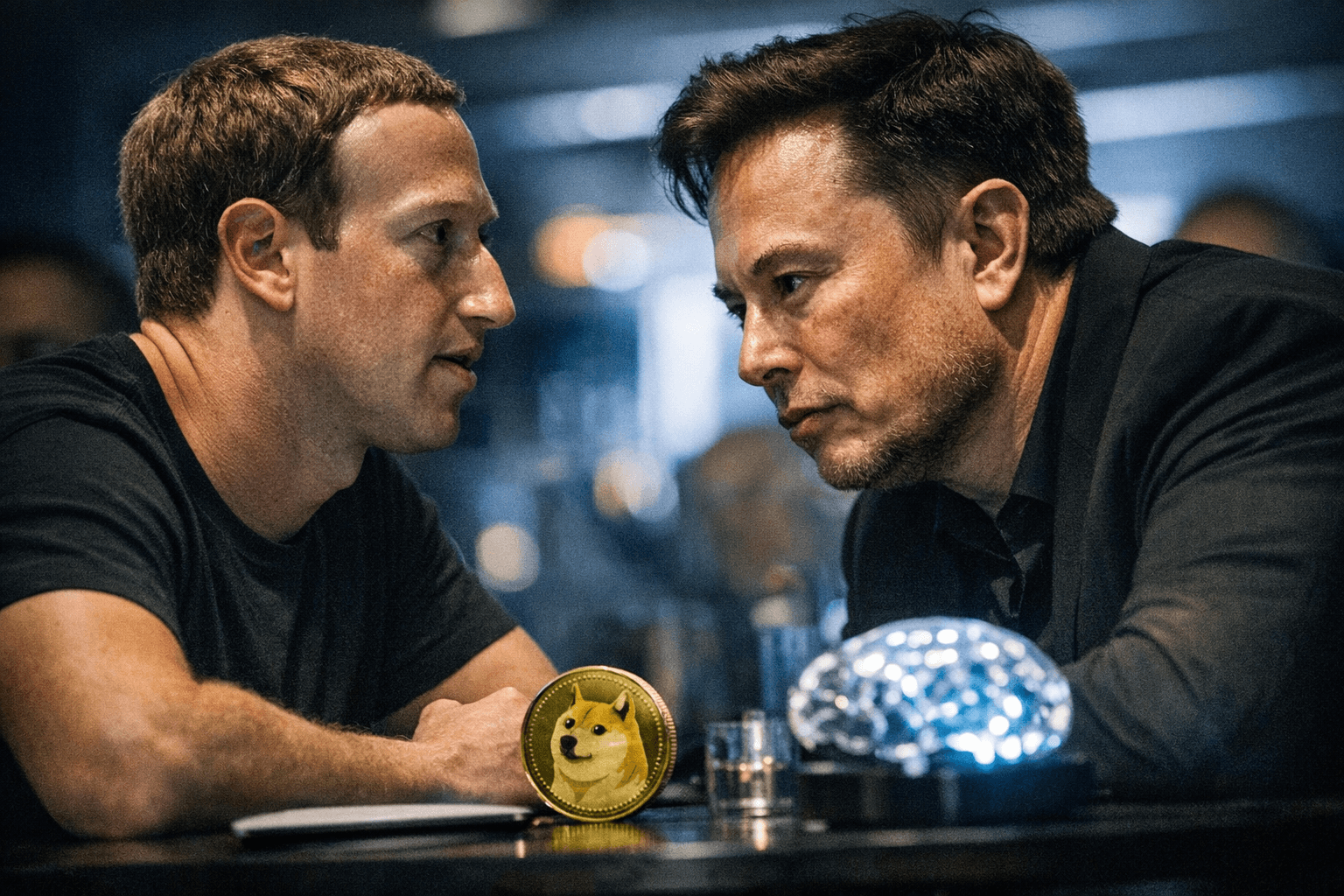
Mark Zuckerberg had Meta's content moderation teams on standby to scrub threats against Elon Musk's government allies while fielding a request from Musk to jointly bid on OpenAI's intellectual property, private text messages published in court documents revealed this week. The exchange, dated February 3, 2025, exposes a level of private cooperation between two executives whose public relationship had been defined almost entirely by social-media sparring.
The texts were disclosed as part of Musk's ongoing lawsuit against Sam Altman and OpenAI. In the opening message of the thread, Zuckerberg wrote: "Looks like DOGE is making progress. I've got our teams on alert to take down content doxxing or threatening the people on your team. Let me know if there's anything else I can do to help."
Musk replied with a heart emoji, then immediately shifted to a different topic: "Are you open to the idea of bidding on the OpenAI IP with me and some others?" Zuckerberg replied: "Want to discuss live?" Musk closed the thread: "Will call in the morning."
The February 3 date puts the messages at a charged moment. They arrived just a few weeks after Zuckerberg had publicly announced Meta's pivot away from content moderation toward what the company called "free expression," a shift that gave his offer to monitor and remove content targeting staff at Musk's now-defunct Department of Government Efficiency an added political dimension. The same day the messages were sent, a U.S. Attorney publicly stated he would protect DOGE employees from "disgruntled" critics.
Zuckerberg never formally joined Musk's bid. A separate OpenAI court filing dated August 21, 2025 established that Musk had "identified" Zuckerberg as someone he communicated with regarding a letter of intent for "potential financing arrangements or investments" in OpenAI. That filing states plainly: "Neither Zuckerberg nor Meta signed the LOI."
The disclosure of the texts has opened a secondary legal dispute over whether they belong in the case at all. In a separate filing made public the same week the messages surfaced, Musk's lawyers moved to exclude the Zuckerberg exchanges from trial, calling them "tangential and prejudicial." They argued that OpenAI's defense team had included "several private exchanges between Musk and Mark Zuckerberg discussing Musk's political activity and this lawsuit" in its exhibit list, and characterized those communications as "nothing more than Defendants' attempt to stoke negative sentiments toward Musk because of his association with Zuckerberg."
OpenAI's decision to place those exhibits on its trial list suggests the company views the communications as directly relevant to questions of Musk's intent in the dispute. The inclusion of the August 2025 letter of intent reference indicates the defense has been assembling a broader picture of Musk's private efforts to acquire OpenAI's assets, efforts that the documents show extended to a personal approach to the CEO of the world's largest social network.
What remains unanswered is whether Zuckerberg's offer of Meta's operational resources translated into any actual content removals. The court documents do not specify whether Meta teams took action in response to the February 3 text. A Meta spokesperson declined to comment.
This article was produced by Prism’s automated news system from verified source data, official records, and press releases, then run through automated quality and moderation checks before publishing. The system is built and supervised by the people who set the standards it runs under. Read our full AI policy.
Did this article answer your question?