Zuckerberg San Francisco General Doctor Larissa Thomas Reimagines Kinder, Gentler Residency
Larissa Thomas, UCSF director of well-being and hospitalist at ZSFG, launched a Peer Support Ambassador program to address resident burnout, aiming to improve trainee well-being and patient care.
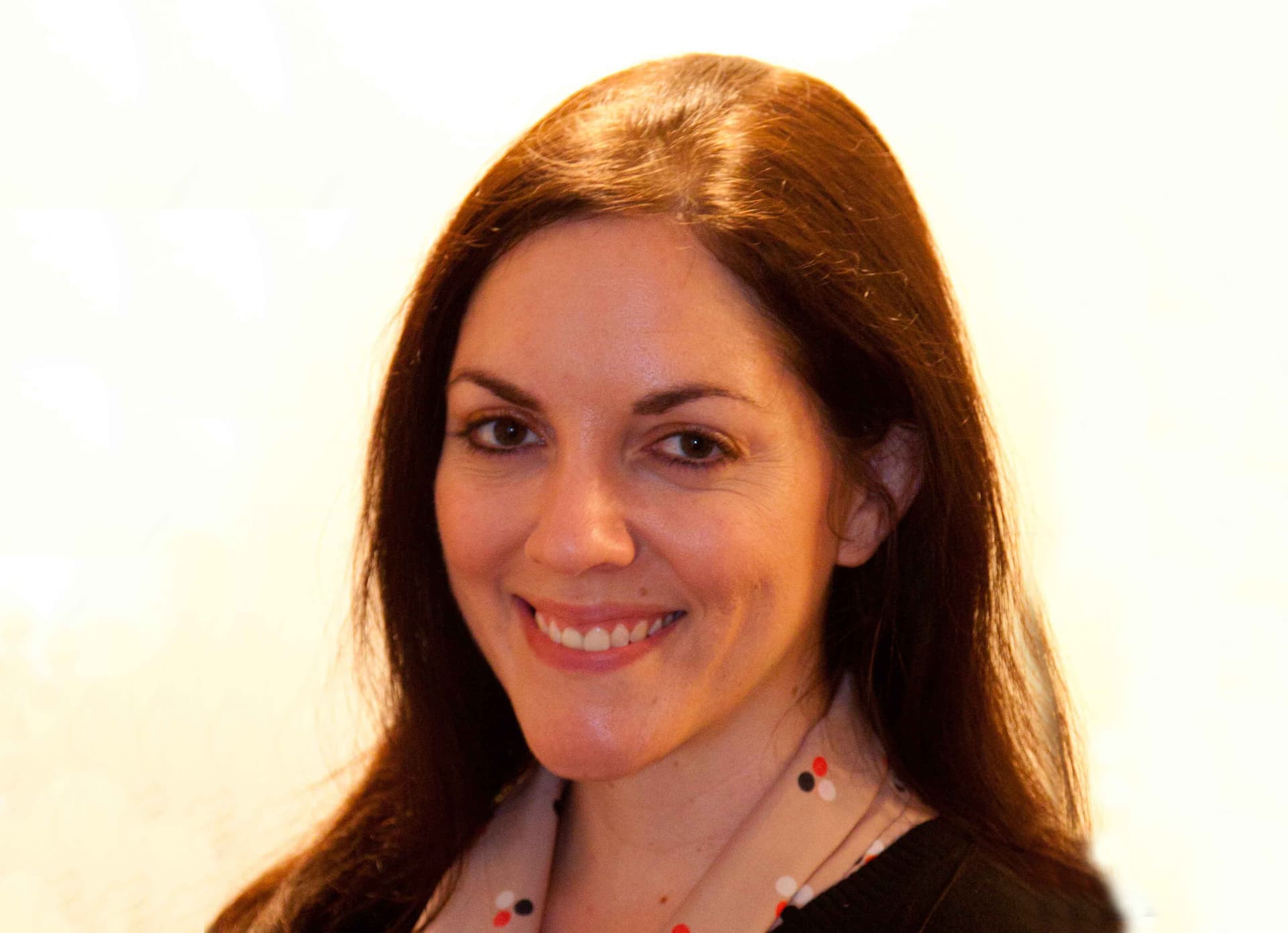
Larissa Thomas has reshaped how residents are supported at Zuckerberg San Francisco General Hospital by centering peer support and bedside teaching in daily clinical work. Thomas, director of Well Being for UCSF Graduate Medical Education, a hospitalist and a professor of Medicine, helped create a peer-support leadership program called the Peer Support Ambassador to address resident burnout and improve trainee well-being.
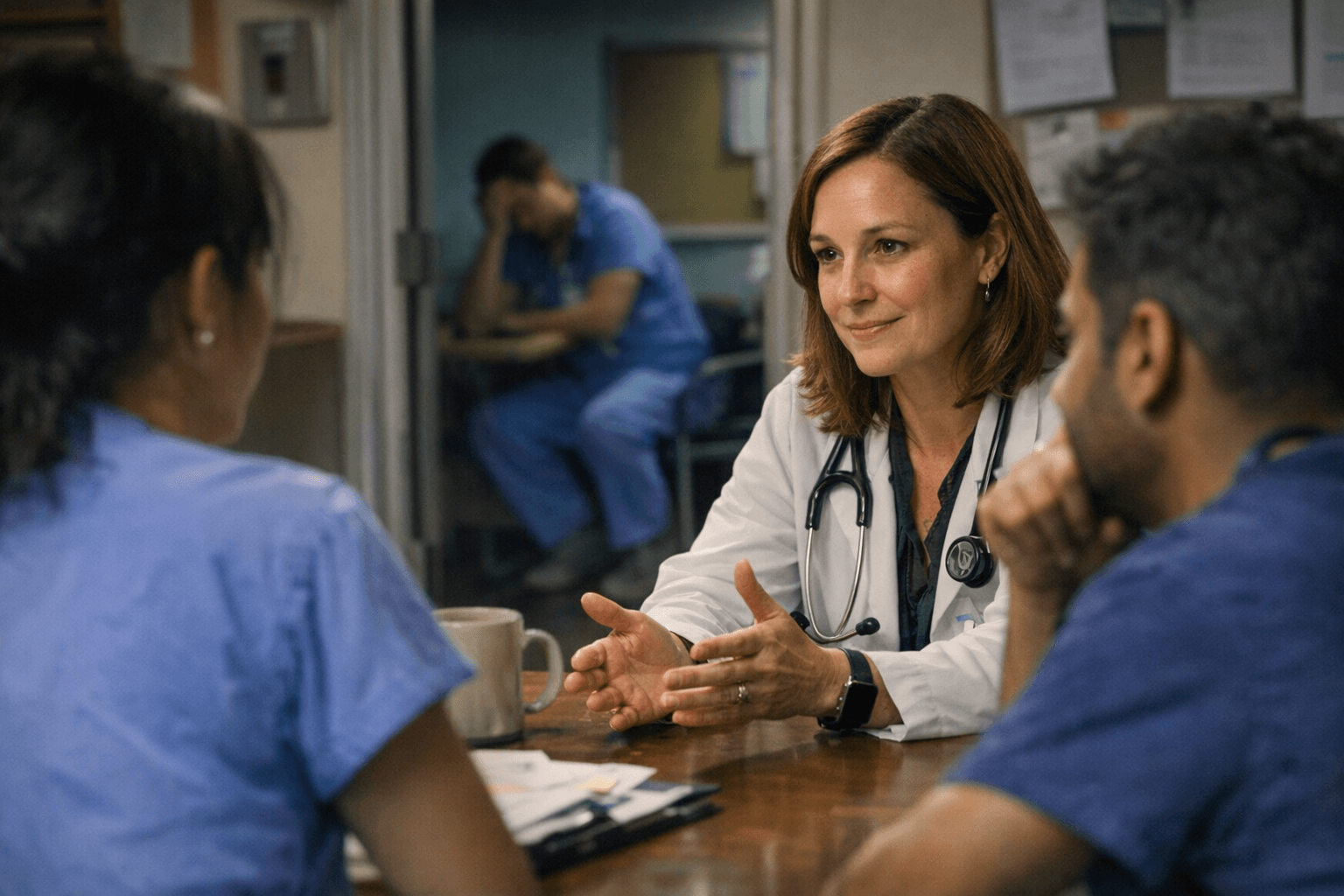
Thomas was pictured making rounds at ZSFG with residents, participating in team rounds and bedside visits where the residents develop most of the care plans and Thomas serves as a support. The trio begins by reviewing the charts of patients who were newly admitted overnight, then checks in on all the patients under their care. Rounds routinely include a multidisciplinary team of social workers, physical therapists and patient care coordinators to coordinate care at the bedside.
Thomas frames residency as an intense learning period. “For three to four years during residency, newly graduated physicians gain hands-on experience, learn specialized skills, and manage patients. It’s a life phase unlike any other, says UC San Francisco Director of Well Being for UCSF Graduate Medical Education, Larissa Thomas, MD, MPH.” She has described residents and fellows as occupying “a unique position of being almost equally a trainee and an employee but never treated fully as either one,” a condition she and colleagues say contributes to emotional strain and turnover.
The Peer Support Ambassador program is presented as a local response to those pressures. UCSF materials emphasize the program’s goal to build leadership among trainees and provide peer-to-peer assistance, but the institution has not published full program details such as launch date, number of ambassadors, training curriculum, funding sources or measurable outcomes. Those specifics remain open for confirmation.
The local effort sits alongside a national conversation about graduate medical education. The American Medical Association has framed a Reimagining Residency initiative as a push to transform residency training to meet modern workplace needs. “The goal of the Reimagining Residency grant program is to transform residency training to best address the workplace needs of our current and future health care system,” and phase one involved “Eleven projects looked at novel ways to improve graduate medical education. A medical journal supplement rounds up the key takeaways for program directors.”
For San Francisco patients and county hospital staff, programs that reduce resident burnout carry practical consequences: steadier teams at the bedside, clearer care plans and potentially better continuity as trainees move through three to four years of intensive training. Expect follow-up reporting on the Peer Support Ambassador program’s scope, funding and early results, and watch whether UCSF scales peer support beyond ZSFG or links formal evaluations to the national Reimagining Residency work.
Know something we missed? Have a correction or additional information?
Submit a Tip