AHL All-Star Classic blends history, skills and star talent
The AHL All-Star Classic is a prospect hinge point, not a filler break. More than 94 percent of participants since 1995 have reached the NHL, and 17 from 2024 were on opening-night rosters.
The AHL All-Star Classic is not a throwaway exhibition. It is the league’s clearest prospect checkpoint, where one sharp weekend can turn a strong AHL season into real NHL call-up buzz. The best proof is already in the pipeline: 17 players from the 2024 Classic were on active NHL opening-night rosters in 2024-25, including Adam Gaudette, Joel Blomqvist, Jesper Wallstedt, Jonatan Berggren, Matt Coronato, Josh Doan, Ryker Evans, Dustin Wolf and Olen Zellweger.
Why the Classic moves a player’s stock
If you want the blunt measure of why this event matters, start with the conversion rate. Since 1995, more than 94 percent of AHL All-Star Classic participants have gone on to play in the NHL. That is not a ceremonial figure. It means the league’s midseason showcase is often a preview reel for the next wave of NHL contributors, and the names on the ice usually age well.
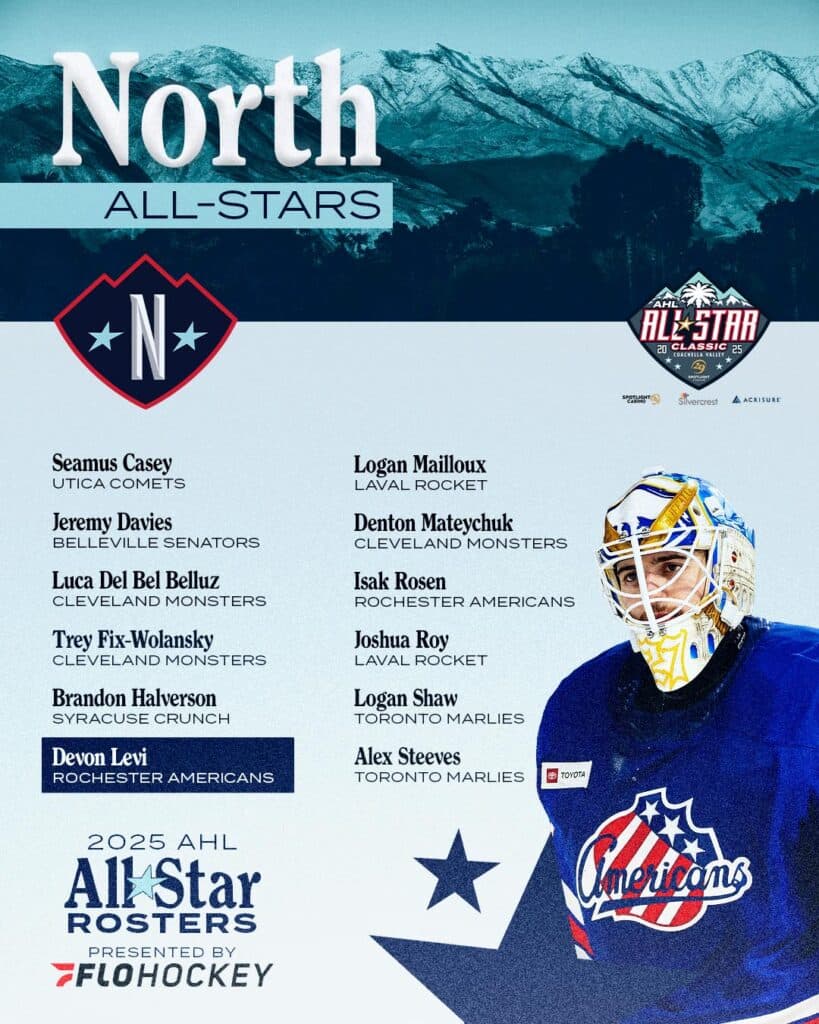
The roster construction backs that up. The 2025 All-Star roster announcement listed 36 first-time AHL All-Stars, 13 rookies, 12 former first-round NHL draft picks and eight second-round picks. That mix tells you exactly what the Classic is doing: rewarding current production while spotlighting players already on a fast track to bigger roles. It is less an honor roll than an inventory of who is closest to the next level.
The selection process also matters. Rosters for the 2026 Classic were chosen by committees of AHL coaches, not by a fan-vote popularity contest. That gives the event extra weight in prospect evaluation because the picks reflect what hockey people trust, not just what sells highlight clips. When every AHL team has at least one representative and each division sends 12 players, the weekend becomes a league-wide snapshot of who is driving results.

How the modern event works
The 2026 AHL All-Star Classic was held Feb. 10-11 at the BMO Center in Rockford, Illinois, and the structure was built to show skill from every angle. The Skills Competition used seven events, including Hardest Shot, Fastest Skater and Accuracy Shooting, while the AHL All-Star Challenge turned the four divisions, Atlantic, North, Central and Pacific, into a three-on-three round-robin tournament. Six eight-minute games decided the opening stage, and the top two teams advanced to an eight-minute championship game.
That setup is why the event is so useful for scouts and fans alike. Three-on-three hockey strips away a lot of noise and puts the spotlight on pace, puck handling and decision-making under pressure. In 2026, East beat West 18-15 in the Skills Competition, and the Pacific Division won the Challenge, giving the weekend a real competitive edge instead of a purely exhibition feel.
The Classic is also more than the games. The league schedules the AHL Hall of Fame Induction and Awards Ceremony alongside the weekend, which adds another layer of significance for players and teams. It is one place where individual achievement, league history and future NHL projection all sit on the same stage. That is why the event reads like a showcase, but functions like a career checkpoint.
How the event got here
The All-Star game has been part of the league’s identity for a long time. The first AHL All-Star Game was held on Feb. 3, 1942, in Cleveland as a fundraiser for U.S. and Canadian war efforts, and the East beat the West 5-4. The proceeds were split between the American and Canadian Red Cross, which gives the event a surprisingly serious origin for something that now doubles as a skill show and prospect parade.
The modern two-day version dates to 1996, when the league added the Skills Competition and turned the Classic into the format fans know now. Since then, the AHL has not stood still. The league used a Canada-vs.-PlanetUSA format in 2010, matched the AHL All-Stars against Färjestad BK in 2014, staged East-vs.-West games in 2015, and eventually settled into the current Skills Competition plus divisional Challenge model. The constant experimentation says something important: the league keeps tweaking the wrapper, but the core idea has stayed the same, put the best AHL talent on a bigger stage.
That history matters for the 2027 edition too. The next AHL All-Star Classic is scheduled for Feb. 7-8, 2027, at Rocket Arena in Cleveland, Ohio. The league is effectively bringing the event back to its starting point, which gives the current era a neat full-circle feel. Cleveland is where the first one happened, and it is where the next chapter will be written.

What to watch if you want the next breakout name
The easiest mistake is treating the Classic like a midseason prize for good stats. The better read is to use it as a filter for who is about to jump from “good AHL player” to “next NHL option.” The names that matter most are often the ones who show up for the first time, like the 36 first-time All-Stars in 2025, or the rookies who force their way into a room full of older pros.
Watch the players who already sit on the edge of a call-up. A player like Adam Gaudette, who made the jump from the 2024 Classic to an NHL opening-night roster, is the kind of example that explains the event better than any marketing pitch. The same goes for goaltenders such as Joel Blomqvist, Jesper Wallstedt and Dustin Wolf, or skill-driven forwards and defensemen like Jonatan Berggren, Matt Coronato, Josh Doan, Ryker Evans and Olen Zellweger, because the Classic often shows which players can carry their tools onto the bigger ice of the NHL.
That is the real value of the AHL All-Star Classic. It rewards what has already happened, but it also reveals what is about to happen next. By the time the divisions finish their three-on-three games and the Skills Competition crowns its winners, the smartest people in the building are already looking past the weekend to the next NHL depth chart move.
This article was produced by Prism’s automated news system from verified source data, official records, and press releases, then run through automated quality and moderation checks before publishing. The system is built and supervised by the people who set the standards it runs under. Read our full AI policy.
Did this article answer your question?