AHL and PHPA Unanimously Ratify Five-Year CBA Through August 2030
A five-year collective bargaining agreement between the AHL and the PHPA was unanimously ratified, securing financial and operational stability for clubs and players through August 31, 2030.
A five-year collective bargaining agreement between the American Hockey League and the Professional Hockey Players’ Association was unanimously ratified, giving clubs and players clear labor terms through August 31, 2030. The AHL Board of Governors and the PHPA’s AHL player membership both approved the deal, a consensus outcome that league leaders framed as a foundation for long-term growth and player welfare.
League officials emphasized the pact’s goal of delivering monetary and non-monetary gains while providing long-term certainty for both sides. The ratification signals a new chapter for the AHL’s role as the primary development circuit for the NHL, affecting roster management, player development timetables, and the business planning of affiliate clubs. For coaches and general managers, the agreement reduces labor uncertainty that can complicate midseason roster moves and development strategies.
On the ice, the new CBA will shape how organizations allocate minutes and construct lineups. With greater certainty around compensation and benefits, prospects should face fewer administrative distractions and more predictable pathways toward NHL call-ups. That stability can translate into steadier line combinations and clearer roles for veteran AHL leaders who bridge team systems and mentor younger players. Special teams and end-of-game deployments often hinge on consistent chemistry; removing labor friction can therefore have a subtle but meaningful effect on game outcomes across the league.
From a business perspective, the five-year horizon helps franchise owners and sponsors plan capital investments, marketing campaigns, and community engagement initiatives. AHL clubs that serve smaller markets rely on season-to-season predictability to sell season tickets, secure local partnerships, and operate youth outreach programs. The certainty afforded by the CBA may also make franchise ownership more attractive to investors seeking stable minor league sports properties.
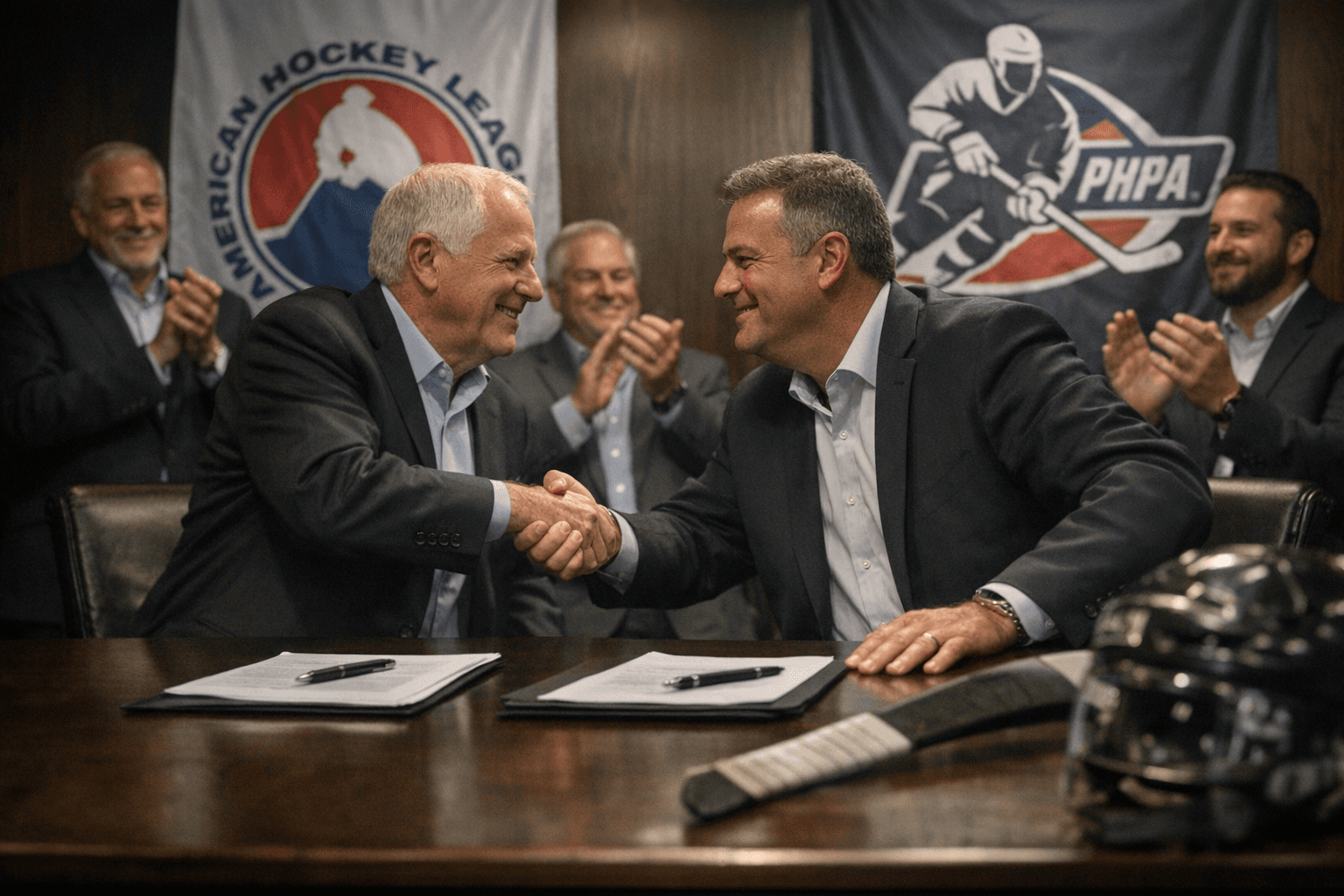
Culturally, this ratification underscores the AHL’s embeddedness in its communities and its importance as a developmental incubator for the game. Players who spend formative seasons in the AHL will now do so with a clearer picture of benefits and contractual terms, which can affect life off the ice in areas such as housing, travel and access to medical services. That ripple effect touches fans who follow prospects closely, families of players, and local businesses that host teams.
For fans, the immediate takeaway is stability: expect more consistent rosters, less late-season churn, and a sharper focus on on-ice performance and player development. For clubs, the work shifts to executing the competitive and commercial plans that a five-year CBA makes possible. As the league and the PHPA move into implementation, the AHL’s role as both a proving ground for future NHL talent and a community-centered professional league looks set to deepen.
This article was produced by Prism’s automated news system from verified source data, official records, and press releases, then run through automated quality and moderation checks before publishing. The system is built and supervised by the people who set the standards it runs under. Read our full AI policy.
Did this article answer your question?