AHL Goalie Coaches Adopt Quick-Recovery, Hybrid Drills And Analytics
AHL goalie coaches are reshaping training with quick-recovery conditioning, hybrid butterfly mobility drills, and analytics-driven scouting to prepare prospects for NHL-style short, high-intensity stints.
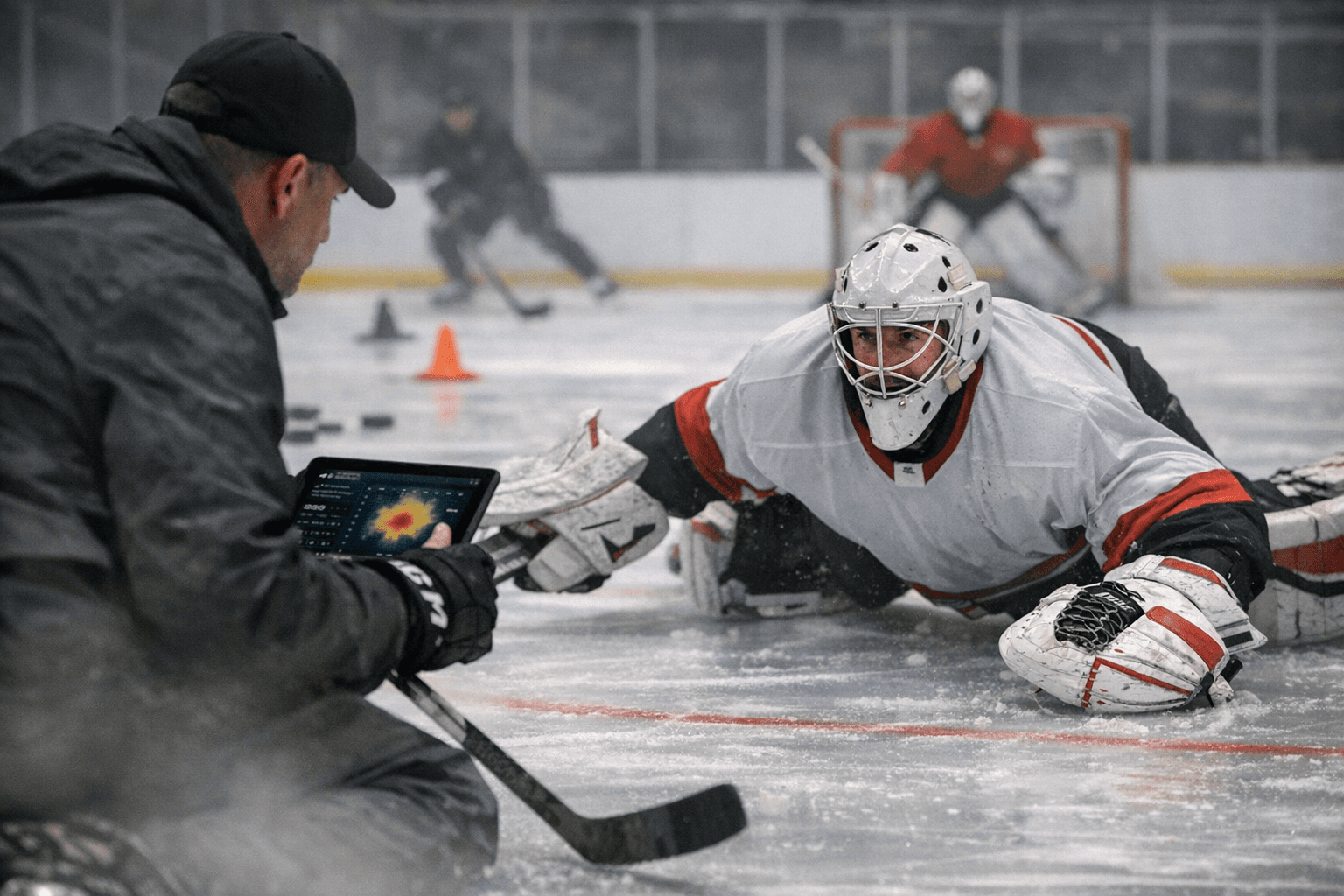
AHL goalie coaches have overhauled how they prepare netminders, responding to NHL clubs that rotate tandems more frequently and demand shorter, higher-intensity stints from prospects. Coaches now emphasize quick-recovery conditioning, hybrid butterfly mobility work, and video-scouting routines keyed to opponent release points to speed readiness and reduce injury risk.
The new approach compresses traditional workload into high-tempo, situational sessions. Instead of full-ice practices, coaches often run 20-minute situational blocks that simulate the intensity of a one-period NHL appearance. Conditioning tests such as the short shuttle and reaction drills are used to track workload day to day. Mental-recovery protocols between games, ranging from guided active recovery to progressive contrast baths and targeted mobility routines, are baked into weekly plans so goalies can rebound faster from heavy minutes or short-notice recalls.
Coaches are blending on-ice technique with analytics. Video-scouting drills target opponent release points and preferred shot locations, while practice reps are measured against performance metrics like reaction time on shot-on-goal simulations, a rebound control index, and high-danger save percentage improvement. Those metrics give AHL staffs a language to quantify progress and to translate it into roster decisions when NHL clubs need an emergency recall.
This shift changes the player development pipeline. Prospects are being conditioned for NHL-style bursts rather than AHL-length workloads, which alters how franchises evaluate durability and readiness. For AHL clubs, that means tailoring practice plans to accelerate readiness: fewer general scrimmages and more repetition on post-to-post recovery, lateral push-hold transitions, and hybrid butterfly mobility that combines upright movement with tight butterfly slides. The result is goalies who can handle three or four high-intensity periods within a short span without breaking down mechanically.
There are business implications as well. NHL teams that employ tighter tandem rotations increase the value of reliably conditioned AHL netminders, creating market pressure for clubs to demonstrate measurable development. Analytics-driven goalie programs help justify call-ups and contract decisions because improvements in rebound control index or high-danger save percentage are quantifiable assets. For AHL franchises, producing NHL-ready goalies supports affiliation relationships and can influence staffing budgets and scouting priorities.
Culturally, the goalie room is getting more scientific and less mystical. Traditional tall tales about "gut feelings" are giving way to workload charts, reaction-time data, and prescribed recovery modalities. That shift elevates discussions about mental health and long-term care; mental-recovery protocols now occupy as much attention as on-ice reps, addressing burnout and anxiety tied to rapid promotion or sudden NHL exposure.
For fans, the change means watching prospects who are better prepared to step into NHL games on short notice, and seeing small, measurable improvements in areas that matter most: rebound control and high-danger saves. Expect AHL goalies to be tested with more simulation-style practices and for analytics to play a bigger role in who gets the call next.
This article was produced by Prism’s automated news system from verified source data, official records, and press releases, then run through automated quality and moderation checks before publishing. The system is built and supervised by the people who set the standards it runs under. Read our full AI policy.
Did this article answer your question?