AHL Playoff Qualification Rules, Tiebreakers Explained as Season Nears End
With the AHL regular season winding down, knowing exactly which tiebreaker fires first could separate a playoff team from a golf vacation.
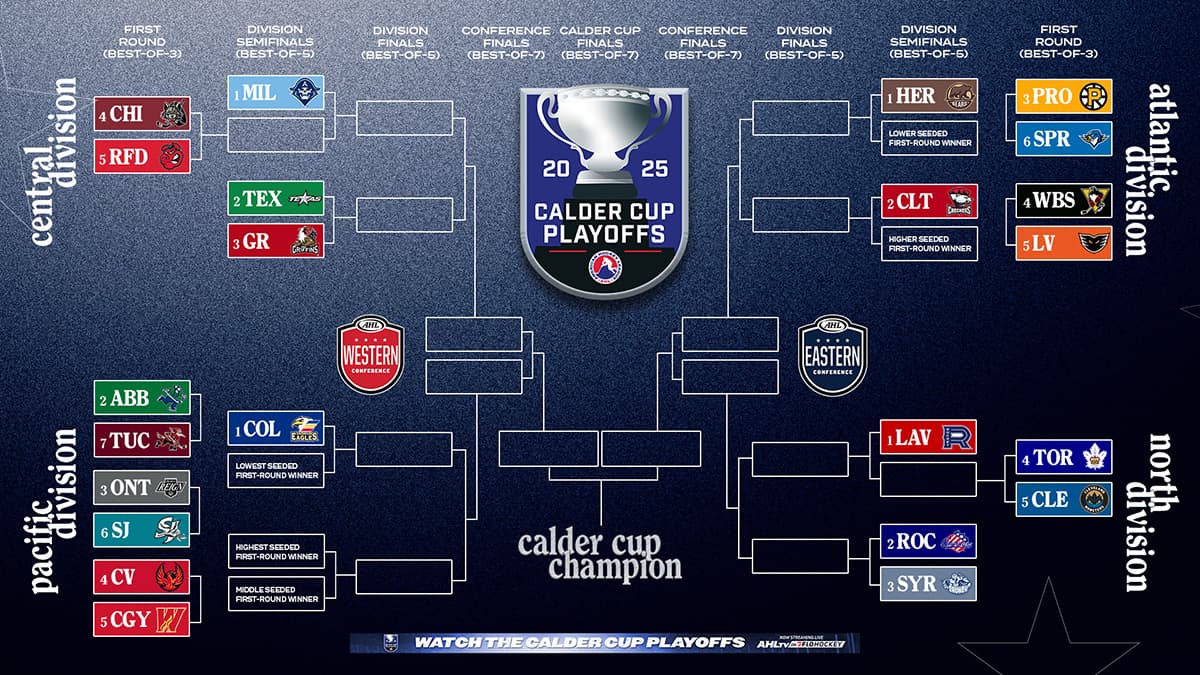
The race for a Calder Cup Playoff berth tightens every March, and the difference between hoisting a first-round banner and watching from home often comes down to rules that most fans, and even some front-office staffers, can't recite from memory. The American Hockey League's qualification and tiebreaker framework is more layered than a simple points-standings glance suggests, and with the 2025-26 regular season entering its final weeks, understanding the system is no longer optional for anyone covering, betting on, or managing an AHL roster.
How Playoff Spots Are Allocated
The AHL organizes its playoff field around a divisional structure nested inside two conferences: the Eastern and Western. Each division crowns a winner, and wild-card spots fill out the bracket to bring the total playoff field to the league's standard format. The critical first filter is conference alignment: a team does not compete against the entire 32-team league for playoff position but against the clubs sharing its conference. Division winners earn automatic berths, which means a team can clinch a postseason spot before the standings suggest it is safe, simply by locking up its division title ahead of any wild-card conversation.
Points percentage, rather than raw points, has become the standard AHL measurement tool in recent seasons, a refinement that levels the comparison between teams that may have played slightly different numbers of games as the schedule compresses toward the finish line. A team that has played 68 games and a team that has played 70 are not straightforwardly comparable by points alone; points percentage eliminates that distortion and makes the standings a more honest picture of performance.
Understanding the Tiebreaker Sequence
When two or more teams finish with identical points percentages, the AHL applies a specific, ordered sequence of tiebreakers. The sequence matters enormously because a team optimizing for the wrong criterion is making a strategic error. The league works through the criteria in strict order, stopping the moment any single criterion separates the tied clubs.
The tiebreaker process follows this sequence:
1. Regulation wins (ROW, or Regulation and Overtime Wins): The AHL prioritizes wins earned without a shootout, rewarding teams that close games in regulation or overtime.
A shootout win counts in the standings but is weighted less heavily here, which creates genuine tactical implications late in the season when a team on the bubble might prefer pressing for overtime resolution over playing for a shootout.
2. Head-to-head record: If ROW does not separate the clubs, their direct results against each other take over.
This is where schedule-makers and analysts pay close attention: two divisional rivals who have already played most of their head-to-head slate entering April have less ability to influence this tiebreaker than a pair of teams with games still remaining against each other.
3. Points percentage in games against conference opponents: The AHL narrows the competitive lens to conference-only play, rewarding teams that have performed best within their most direct competitive pool.
A team that has feasted on non-conference opponents but struggled inside the conference will find this criterion punishing.
4. Goal differential: Net goals across the full regular season serve as a further separator.
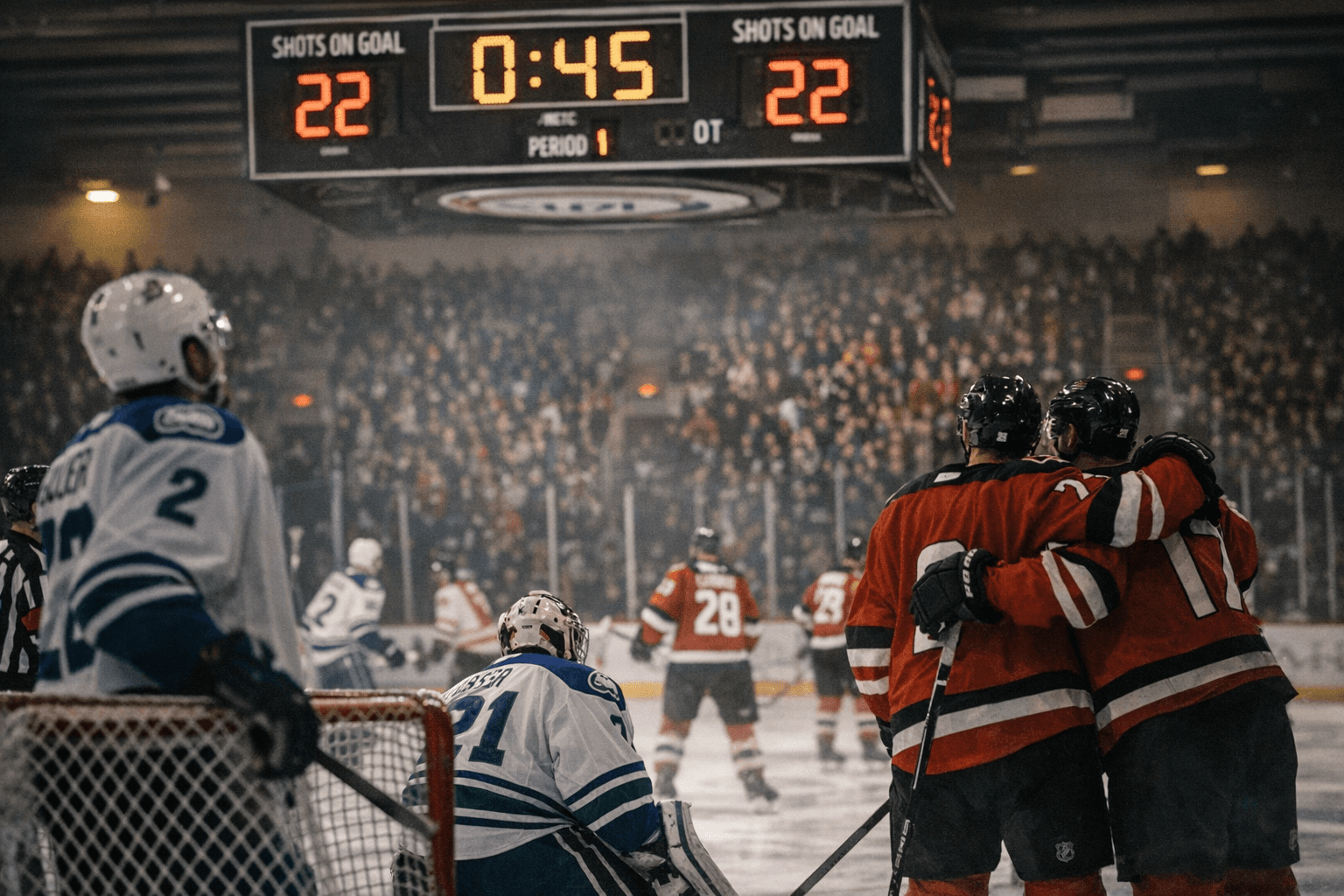
This is the tiebreaker that makes late-season blowouts statistically meaningful: a team down 5-1 with two minutes left has a goal-differential argument for pulling its goaltender even without a realistic comeback path.
5. Goals scored: Pure offensive output, total goals across the season, serves as a final numerical separator before the league would move to drawing procedures.
Why Regulation Wins Carry Outsized Weight
The elevation of regulation and overtime wins above head-to-head record is a deliberate structural choice, and it has real consequences for how coaches manage late-season games. A team sitting one point behind a rival with five games left is not simply chasing a point; it is chasing a regulation win. Protecting a one-goal lead and winning in regulation does more tiebreaker work than winning a shootout, even though both outcomes produce the same two points in the standings column. Coaches who understand this distinction manage their goaltenders, fourth lines, and timeout usage differently in tight late-season games than coaches who treat all wins as equivalent.
This is also the dimension that matters most to betting markets. Puck-line and regulation-result betting on late-season AHL games carries added significance because the outcome type, not just the outcome, shapes the playoff picture in ways that the points column obscures.
Clinch Scenarios and Magic Numbers
A team can clinch a playoff berth in one of three ways: by reaching a points-percentage threshold that no remaining schedule combination can erase, by winning its division outright, or by accumulating enough points that the teams chasing the final wild-card spot cannot mathematically close the gap. Broadcasters and beat writers tracking "magic numbers" are calculating the second of these: the combined total of wins by the clinching team and losses by its closest pursuer that would make elimination mathematically impossible.
Front offices running these calculations need to account for games in hand carefully. A team with two games in hand on its nearest wild-card competitor is not simply two points richer in potential; it is carrying the risk that those games produce losses or overtime losses, which would shift the standings without producing the full points potential the games-in-hand figure implies.
What This Means for Roster Construction at the Deadline
AHL general managers making late-season moves, whether recalling players to the NHL affiliate or acquiring depth pieces, are implicitly making a bet on which tiebreaker they expect to need. A team that believes it will finish in a head-to-head tie with a division rival optimizes differently than one worried about goal differential. The AHL's emergency recall rules, which allow NHL clubs to pull players from AHL rosters on short notice when injuries strike, can shift a team's tiebreaker profile in a matter of days: losing a top-six forward to an NHL recall right before a critical divisional series is not just a personnel problem but a tiebreaker problem if it collapses the goal-scoring numbers that might separate two otherwise equal clubs.
The final weeks of the AHL regular season are, in this sense, a chess match played across multiple dimensions simultaneously. Points are the visible board, but regulation wins, head-to-head ledgers, and goal differentials are the pieces that determine who advances when the board is even.
This article was produced by Prism’s automated news system from verified source data, official records, and press releases, then run through automated quality and moderation checks before publishing. The system is built and supervised by the people who set the standards it runs under. Read our full AI policy.
Did this article answer your question?