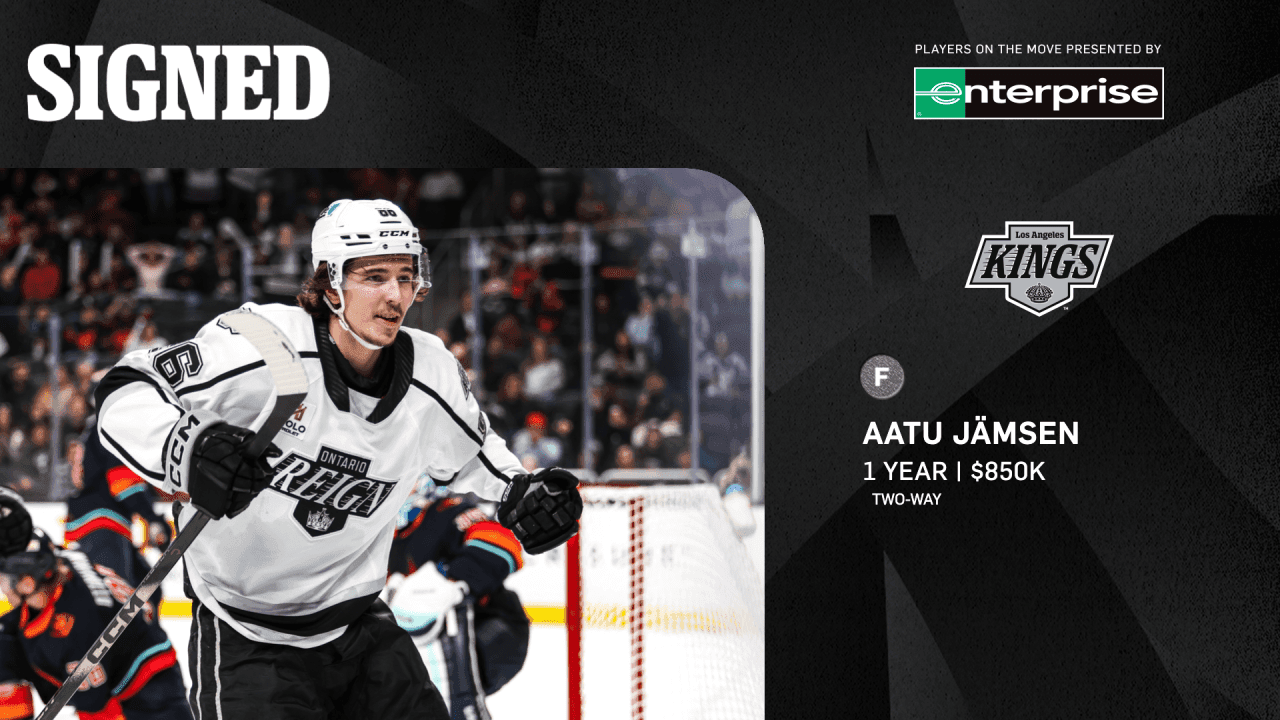
AHL prospects learn pace, structure, and reliability under pressure
A 17-year-old goalie once stole a Calder Cup, and the AHL still turns prospects into dependable NHL options under that same pressure.

The price of a call-up
A 17-year-old Gordie Bell backstopped Buffalo to the 1943 Calder Cup, and the lesson still defines the American Hockey League: talent only becomes NHL-ready when it survives real pressure. The AHL is not a placeholder on the way up, it is the league that decides whether a prospect can process faster, defend harder, and stay reliable when every shift matters.
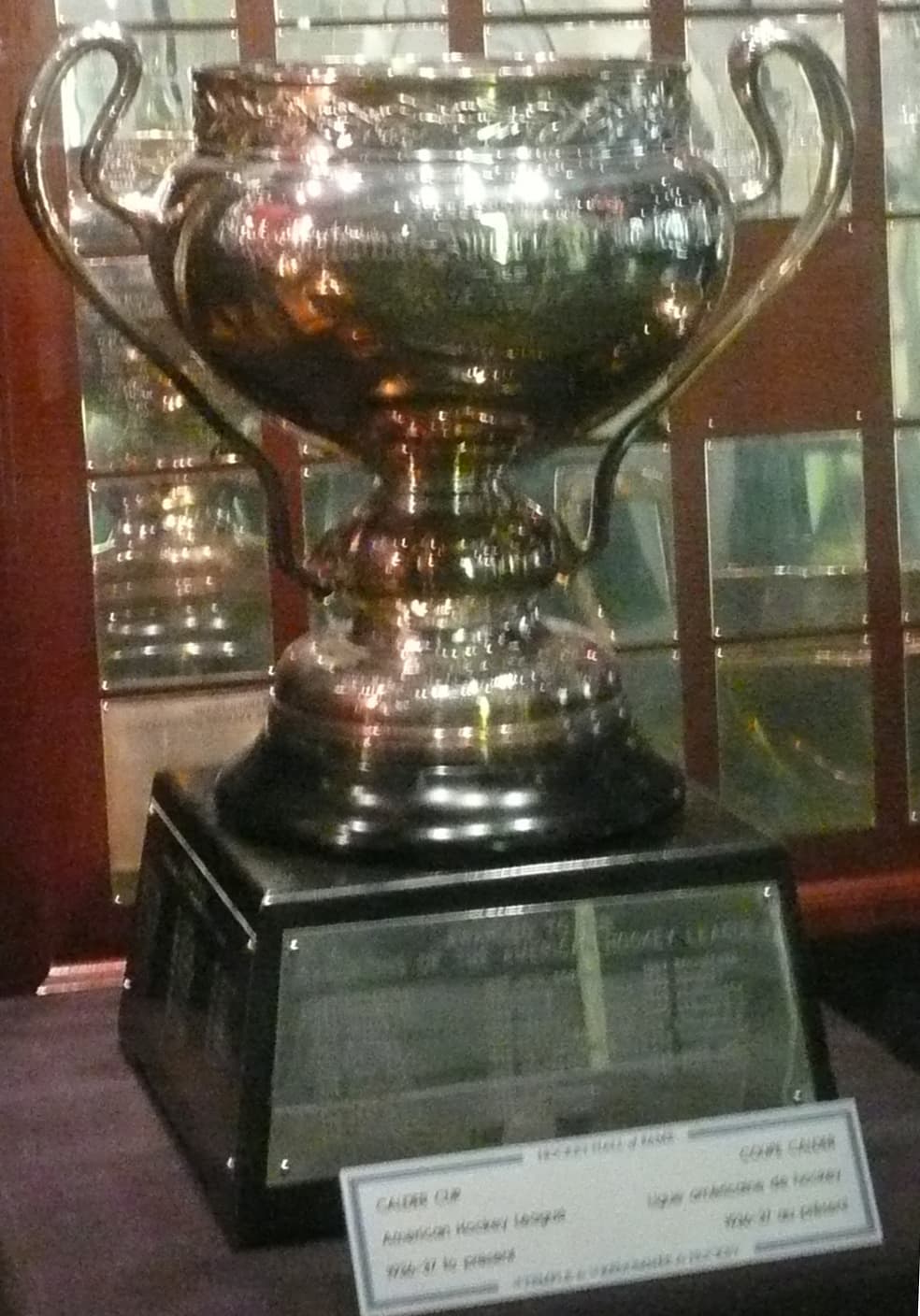
The Calder Cup sits at the center of that test. It is the AHL’s ultimate prize, named for Frank Calder, the NHL’s first president, and the current trophy design dates to 2001. The league has treated that Cup as a motivational force throughout its 89-year history, and that matters because the chase for it forces prospects, coaches, and organizations to prove the same point in different ways: development has to hold up under winning pressure.
Skaters learn that speed is only the starting point
For forwards, the AHL quickly exposes the difference between raw talent and usable pace. A player can dominate junior hockey or college with quick hands and open-ice bursts, then discover that older, heavier defenders close space far faster and punish indecision. In this league, attacking with timing matters more than forcing offense, and the smartest prospects learn to keep their feet moving after the first option disappears.
That is where the AHL becomes a real schooling in reliability. Forwards have to support the puck, make cleaner exits under pressure, and win more battles along the walls. They also have to fit into a coach’s structure without losing the edge that got them noticed in the first place. The prospects who handle that balance are the ones who turn AHL minutes into an NHL call-up, while others settle in as long-term contributors because the pace of the league demands a steadier game.
Defensemen face a harsher version of the same exam. Their most important work is often invisible, but it is exactly what NHL staffs care about. Retrievals under forecheck pressure, a crisp first pass, clean gap control at the blue line, and the judgment to step or delay at the right moment all get stress-tested nightly. A player may arrive with size or skating that looks promising on paper, but the AHL reveals whether he can separate an opponent from the puck without losing position and whether he can choose the safe play when the flashy one would create risk.
That is why the league is such a useful barometer for young skaters. Offensive instincts matter, but the AHL strips away the comfort of free ice and forces a prospect to prove he can survive structured systems. The NHL attention that follows is usually not about how exciting a player looks in bursts; it is about whether he can keep his game intact on every shift.
Forwards: pace without panic
The best young forwards in the AHL learn to attack with patience, not urgency. They do not just chase the highlight play, they learn when to support underneath the puck, when to delay for a better lane, and when to keep moving so the play does not die on their stick. That is the difference between junior scoring and pro scoring, and it is one reason the league keeps producing call-up candidates who look more complete by the end of the season than they did in October.
Defensemen: the details that buy trust
For defensemen, the league is a lesson in habits. The first pass has to be accurate because turnovers against a hard forecheck become immediate danger. The gap has to close at the blue line because a late step can turn a harmless rush into a break-in. And the safest play often matters more than the prettiest one because NHL coaches want defenders who can be trusted before they are asked to be creative.
Goalies get the heaviest test of all
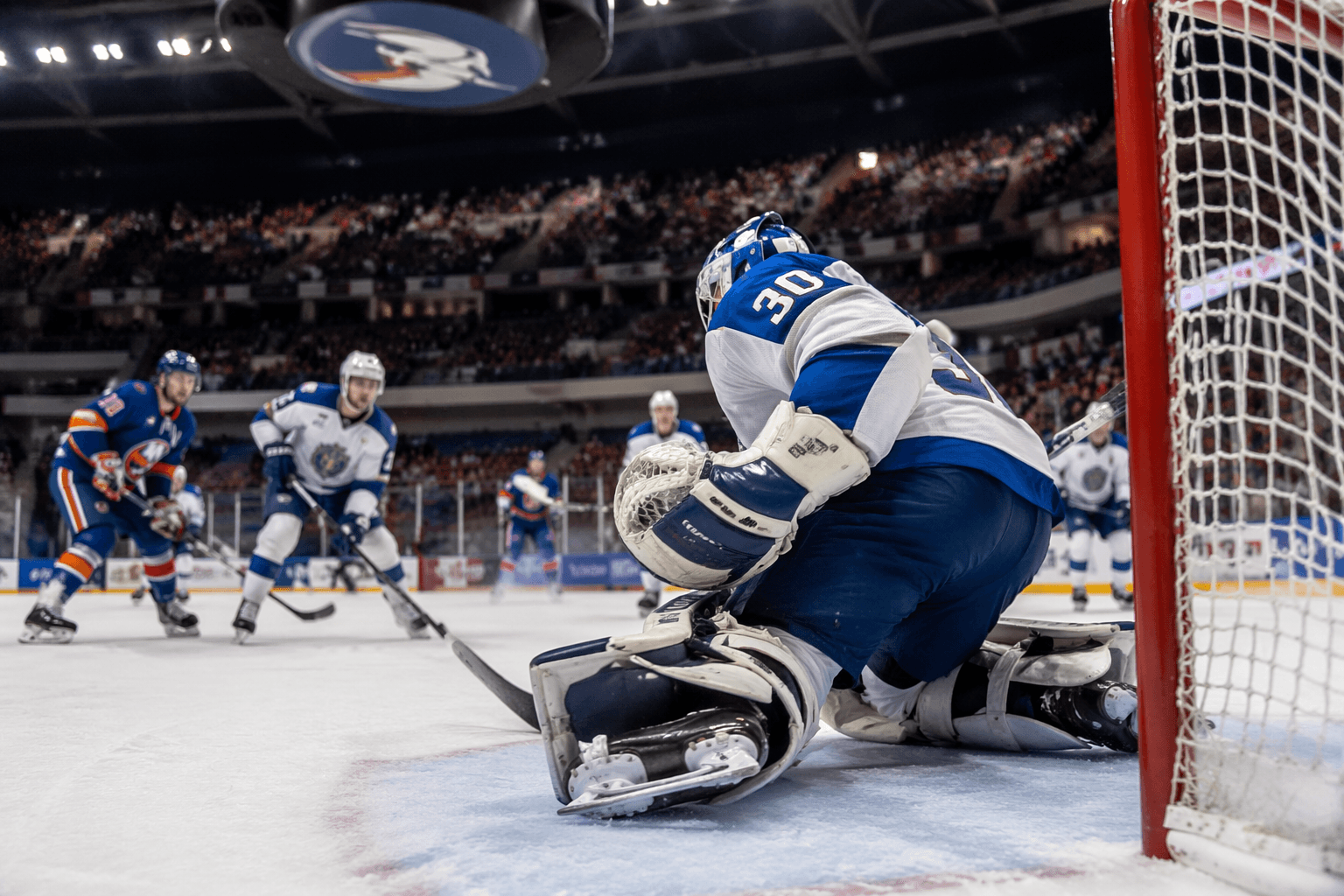
If skaters learn pace and structure, goalies learn patience. Young goaltenders in the AHL face heavier workloads, more high-end shooters, and far more traffic than they often saw in junior, college, or European hockey. They also have to adjust to the North American style of play, which changes the rhythm around the crease and demands better reads through screens, rebounds, and second chances.
That is why the league is such a valuable apprenticeship for netminders. A goalie cannot rely only on reflexes when the slot is crowded and the rebound lands in a dangerous spot two seconds later. He has to track pucks through bodies, control loose rebounds, and stay composed when a save does not end the danger. The goaltenders who handle that grind become legitimate NHL candidates because they have already lived through the pressure that usually comes with a top-level job.
Bell’s 1943 run is a reminder that goaltending has long been the AHL’s most unforgiving audition. The league’s current goalie coverage and stat tracking reflect that same reality: this is the position where one bad read can swing a game, and one calm night under siege can accelerate a career.
Coaches are graded on wins and graduation rates at the same time
The AHL is also a proving ground for coaches, and that dual mandate makes the job unusually demanding. They have to develop players while still chasing wins, manage the emotional swings of a long season, and prepare skaters for eventual NHL call-ups. That means the best AHL coach is not simply the one with the deepest roster, but the one who can build discipline, keep structure intact, and help players leave the lineup better than they entered it.
That balance explains why strong AHL teams are often more than a collection of prospects. They are organized, accountable, and designed to move players upward. In an NHL era that pays close attention to first- and second-round picks, the league still has room for the less-heralded prospect who forces his way into the conversation quickly. The coach is often the person who makes that leap possible by demanding habits that travel.
Why the Calder Cup still feels different
The AHL’s history gives that development process extra weight. During the 1940s, wartime disruption forced real changes, including Springfield being pushed out of its arena in 1942-43. The league still kept producing history through the upheaval, from Bell’s teenage championship in Buffalo to the highest-scoring game in AHL history, a 12-10 Cleveland Barons win over Pittsburgh on March 17, 1945.
That continuity matters because it shows the AHL has never been only about prospects passing through. The league has preserved its own competitive identity for decades, and its championship tradition is part of what makes it such an effective proving ground. The Maine Mariners, who won the Calder Cup in 1978 and again in 1979, remain the only team in AHL history to win the title in each of its first two seasons, a rare reminder that the Cup can accelerate a franchise as well as a player.
That is the real reason AHL fans should care before the next NHL call-up. The league does not just hand out ice time to future stars. It reveals which skaters can handle structure, which goalies can survive workload, and which coaches can build a team that wins while teaching. When a prospect leaves the AHL ready for the NHL, the career change almost always started with one hard shift, one clean save, or one disciplined decision made under pressure.
This article was produced by Prism’s automated news system from verified source data, official records, and press releases, then run through automated quality and moderation checks before publishing. The system is built and supervised by the people who set the standards it runs under. Read our full AI policy.
Know something we missed? Have a correction or additional information?
Submit a Tip