AHL Remains the Crucial Proving Ground for NHL Goaltending Prospects
The AHL's role as the premier development stage for NHL goaltending prospects remains as critical as ever in 2026, with consistent patterns defining who makes the leap.
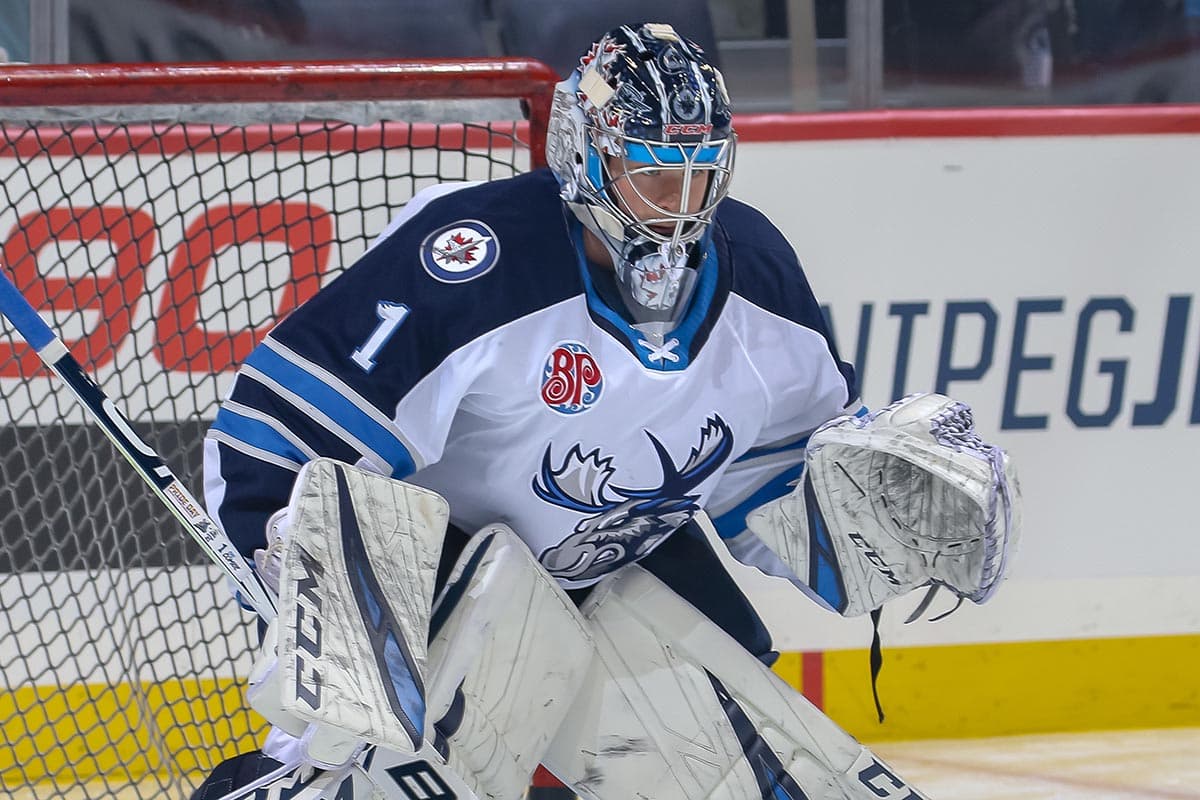
The path from junior hockey or college to a reliable NHL starting job almost never skips a step, and that step is almost always the AHL. The league's function as a finishing school for goaltending prospects is not accidental or circumstantial. It is structural, built into how NHL organizations evaluate, develop, and ultimately trust the goalies they eventually hand a crease to.
What separates goaltending development from every other position is the stakes attached to the learning curve. A defenseman can take a bad angle and the team survives. A forward can misread a line change and recover. A goalie who hasn't processed NHL-caliber shot velocity, traffic, and deception at game speed is a liability from puck drop, and NHL coaches have little patience for that margin of error. The AHL removes the pressure just enough to let development actually happen while keeping the competition serious enough to matter.
The league's rosters reflect this reality at every level. Franchises with strong NHL affiliations funnel their top goaltending prospects into AHL lineups specifically to generate high-volume, high-stakes repetition. The 68-game AHL regular season gives a developing goalie more starts against professional competition than almost any comparable development route outside of Europe's top leagues, and the shot profiles are considerably more NHL-relevant than what most prospects faced in the OHL, WHL, QMJHL, or NCAA.
The transition also exposes technical flaws that junior and college environments can hide. Positioning habits that worked against 18-year-olds become liabilities against AHL forwards who know how to work a goalie's edges and exploit hesitation. Rebound control, which coaches can coach around at lower levels, becomes a defining skill at AHL pace. Goalies who adjust those mechanics under AHL game pressure arrive at the NHL level with tested solutions rather than theoretical ones.
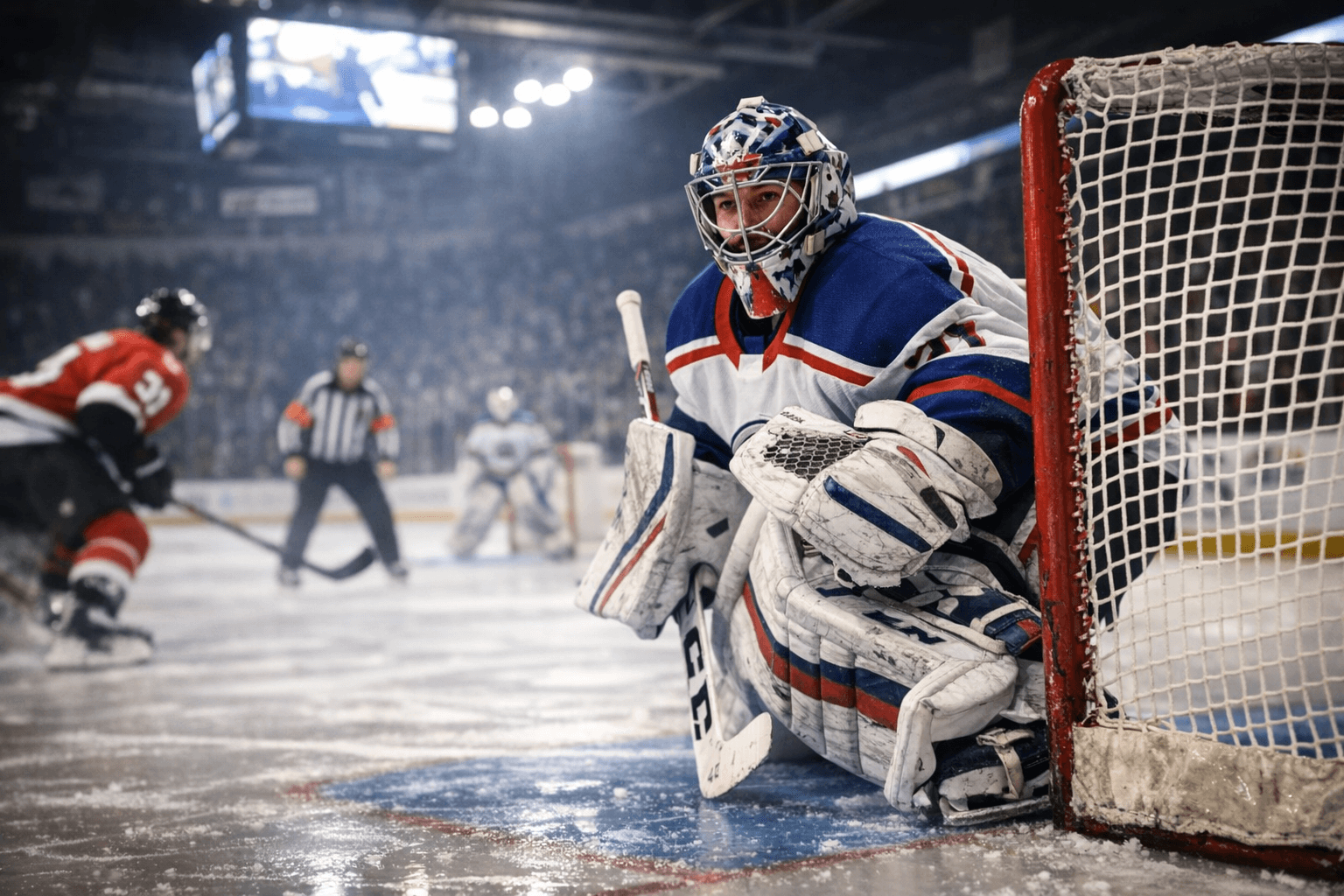
NHL organizations have increasingly treated AHL goaltending deployment as a deliberate tool rather than a holding pattern. Multi-year AHL development arcs are now common for first and second-round goalie picks, with clubs prioritizing starts logged and situations navigated over rushing prospects to fill a short-term NHL roster gap. The goalies who come out of extended AHL tenures with strong save percentages and demonstrated ability to handle adversity are exactly the type of options NHL coaching staffs can deploy with confidence in a high-leverage game.
The AHL is not where goaltending careers end up by default. It is where the serious ones are built.
This article was produced by Prism’s automated news system from verified source data, official records, and press releases, then run through automated quality and moderation checks before publishing. The system is built and supervised by the people who set the standards it runs under. Read our full AI policy.
Did this article answer your question?