Akhtyamov, other hot goalies could decide Calder Cup Finals run
Akhtyamov and Miner have turned the playoffs into a goaltending referendum. In a best-of-seven grind, the calmer crease may decide who reaches the Calder Cup Final.
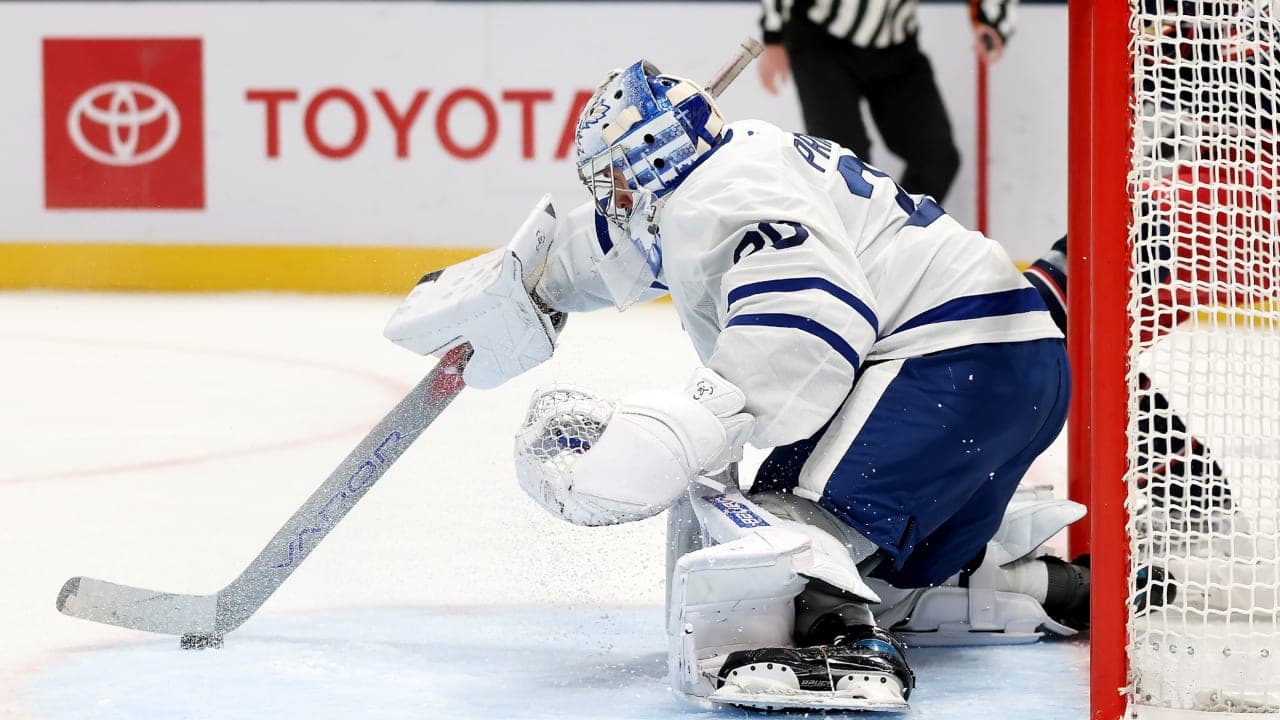
The crease is now the series
The playoff bracket is down to four teams, and the best goalie may have the biggest say in who survives the next two rounds. The AHL has already burned through a 23-team field, moved from best-of-three openers to best-of-five division rounds, and now shifts the conference finals and Calder Cup Finals to best-of-seven. That is where every rebound, every second chance, and every blocked lane starts to feel like a season-altering event.
Toronto and Colorado are the clearest examples of why this matters. Both clubs have leaned on hot netminders, but in different ways. Toronto has built its run on trust and resilience around Artur Akhtyamov and the depth behind him, while Colorado has ridden Trent Miner into one of the cleanest statistical playoff stretches in the league. The common thread is simple: when the postseason tightens, the goalie stops being a supporting character and becomes the script.
Akhtyamov has earned Toronto’s trust the hard way
Artur Akhtyamov did not get to this point by accident. Toronto coach John Gruden twice chose him in elimination games against Cleveland, and that faith paid off each time as the Marlies kept moving. Toronto’s path through the postseason has gone through Rochester, Laval, and Cleveland, with the decisive moments coming in a 3-2 Game 5 win over Laval on May 9, 2026, then another 3-2 Game 5 win over Cleveland on May 24, 2026.

The quotes from that Cleveland clincher tell you exactly how Toronto is approaching this run. After making 36 saves in that game, Akhtyamov said, “It was a good win, but we have to have a short memory. We need to win one more game.” Gruden matched that tone afterward, saying, “They found their confidence.” That is the right read on the Marlies: they are not surviving because they are always dominant, they are surviving because their goalie lets them stay composed when the game gets ragged.
Akhtyamov’s numbers are solid even before you get to the pressure points. He entered this round at 8-4 with a 2.17 goals-against average and a .924 save percentage in the playoffs, a sharp step forward from his regular season line of 21-12-4 with a 2.88 GAA and a .904 save percentage. He was also selected for the 2026 AHL All-Star Classic, which matters here because it reinforces the broader point: this is not a fluke heater, it is a young goalie with real traction.
Toronto’s opening statement in the Eastern Conference Finals only strengthened that case. In a 4-2 win over Wilkes-Barre/Scranton on May 27, 2026, Michael Pezzetta scored the go-ahead goal with 1:36 left in regulation, but the foundation was still in goal. Ryan Tverberg’s two goals and an assist in the Cleveland clincher showed Toronto can generate timely offense, yet the Marlies keep winning the moments that matter because Akhtyamov keeps the door from swinging open after the first save.
Why the job gets harder from here
Best-of-seven changes the job description for a goalie. In best-of-five, a hot stretch can carry a team through before the other side fully adjusts. In a longer series, the opponent keeps coming back with the same traffic patterns, the same net-front bodies, and the same video evidence of where rebounds land.
That is why Akhtyamov’s next tests are less about highlight saves than about the unglamorous stuff. Toronto needs him to smother pucks through screens, kill loose rebounds before they become scramble drills, and stay calm when the game turns into a volume-shooting contest. The Marlies have already shown they can win close, one-goal games, but a longer series punishes any goalie who gives away extra looks in tight.
Dennis Hildeby is part of that equation too. The notebook makes clear Toronto has depth in net beyond the starter, and that matters in a sprint that can suddenly become a grind. Even if Akhtyamov remains the headline, the existence of another credible option gives the Marlies a layer of insurance few teams can match at this point in the bracket.
Miner’s playoff numbers are absurd, and they are real
If Akhtyamov’s case is about trust and timely saves, Trent Miner’s is about outright domination. Colorado’s goalie entered conference finals play at 8-2 with four shutouts, a 1.26 GAA, and a .947 save percentage, and those numbers are not just good, they are the kind that can warp an entire series. He had already helped the Eagles eliminate Henderson, the league’s highest-scoring regular-season team, which tells you this run is not being padded against soft competition.
The shutout streak is the headline, and it is deserved. Miner opened the postseason with three shutouts in his first five playoff starts, something TheAHL.com noted had not been done since Rochester’s Mika Noronen in 2000. He later added a fourth shutout in Colorado’s Game 1 win over Coachella Valley, and his streak reached 145 minutes and 10 seconds before it finally ended. That is the profile of a goalie who is not merely stopping pucks, but removing oxygen from the other side.

What makes Miner dangerous is not just the clean sheet count, it is the way those numbers compress the game for everyone else. When a goalie is posting shutouts at that rate, opposing forwards start pressing for perfect chances instead of trusting the normal process. That usually leads to forced passes, rushed releases, and a lot of wasted offensive zone time. In other words, Miner is not only saving shots, he is changing shot selection.
The series swings on more than one save, but not much more
Toronto’s run and Colorado’s run look different on paper, but they point to the same playoff truth. The teams still standing have goaltenders who can survive bad patches, clean up traffic, and keep the bench believing the next goal is theirs to score. In Toronto’s case, Akhtyamov has already proven he can answer elimination pressure. In Colorado’s case, Miner has turned elite statistics into a real postseason weapon.
That is the crease-level battle that could decide the rest of the Calder Cup race. One goalie is carrying confidence built through survival, the other is carrying momentum built through shutouts. In a best-of-seven format, that kind of edge can be the whole series.
This article was produced by Prism’s automated news system from verified source data, official records, and press releases, then run through automated quality and moderation checks before publishing. The system is built and supervised by the people who set the standards it runs under. Read our full AI policy.
Know something we missed? Have a correction or additional information?
Submit a Tip