Blues rework development camp, focus on off-ice growth and culture
St. Louis turned development camp into a pro-life orientation, sending prospects through weight rooms, nutrition lessons and city stops before they ever reach Springfield.
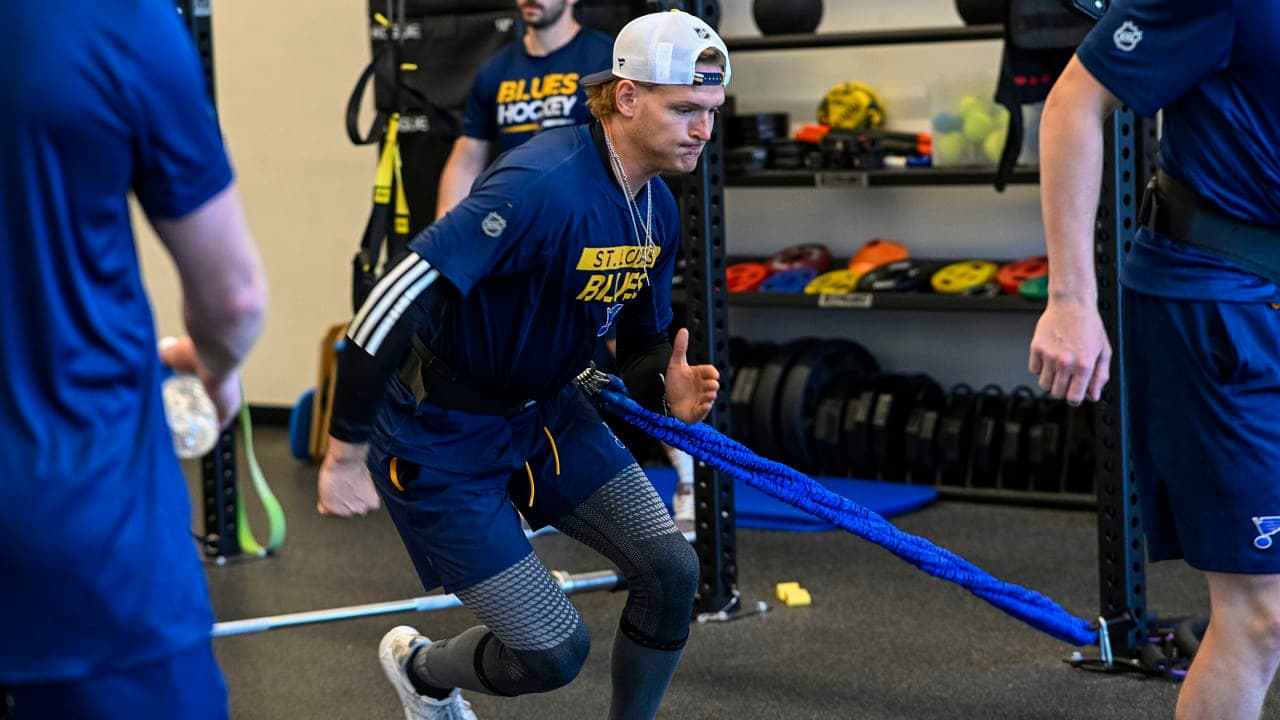
The Blues reworked their annual development camp into a culture-setting assignment for recent draft picks and top prospects, shifting the focus away from the usual mix of drills and scrimmages and toward the habits that shape a pro career. Announced on June 24, the camp was framed as a chance to teach history, build relationships and show young players what it means to be professional in St. Louis before they move on to the next stage of their careers.
That change tells you where the organization sees the developmental bottleneck. St. Louis is still going to evaluate skill, but the larger message is that skating alone is not enough. The club wants prospects to arrive in its system, and eventually in Springfield, already understanding the standards around preparation, recovery and day-to-day conduct. For players on the edge of the AHL, that kind of early indoctrination can matter as much as an extra drill session, because the jump to the pro game is often about routine as much as talent.

The schedule the Blues laid out made that philosophy plain. Prospects will spend time with Barret Jackman and other Blues alumni, work through off-ice workouts and weight-room sessions, and take part in nutrition lessons. The group also will compete in a cooking competition, go go-kart racing and visit Enterprise Center, Busch Stadium and Energizer Park, three of the city’s most visible sports landmarks. That is a broader curriculum than a standard development camp, and it is built to tie hockey to the city around it.
Players most likely to benefit are the ones who are close to being pro-ready but still need structure, maturity and a better feel for what life in a full-time organization demands. For them, the camp is not just about adding muscle or sharpening edges. It is about learning how to carry themselves before the pace and physicality of pro hockey arrive. That is why the new format looks less like a showcase and more like a deliberate first step toward Springfield, where the Blues want their prospects to show up not only skilled, but already familiar with the expectations of the job.
This article was produced by Prism’s automated news system from verified source data, official records, and press releases, then run through automated quality and moderation checks before publishing. The system is built and supervised by the people who set the standards it runs under. Read our full AI policy.
Did this article answer your question?