Calder Cup Playoffs become the AHL’s ultimate prospect proving ground
The Calder Cup is a pressure test for prospects, and Oscar Fisker Mølgaard is forcing Seattle to rethink how fast his NHL path can move.
The Calder Cup is where prospect claims get verified
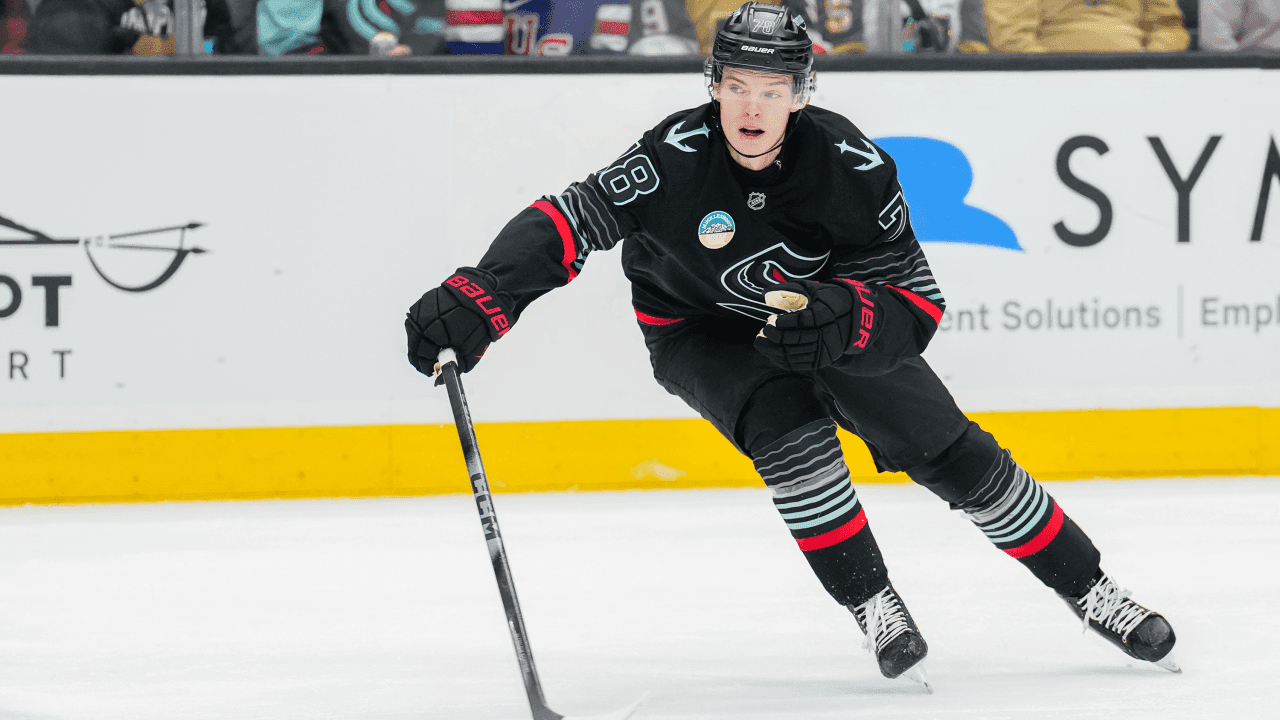
The Calder Cup playoffs stop hiding prospects. Once the bracket shrinks and every mistake can flip a series, the AHL becomes the league’s harshest audition room, a place where talent either translates or gets exposed. That is the real story behind Coachella Valley’s run and Oscar Fisker Mølgaard’s surge: he has gone from a Seattle forward with two assists in 13 NHL games to the playoff scorer who is changing the way his organization has to think about his timeline.
Why this postseason feels like a filter, not just a trophy chase
The AHL’s 2025-26 season is the league’s 90th year of operation, and the scale alone tells you how deep the talent pool runs. All 32 clubs played 72 games apiece, the regular season ran from October 10, 2025, through April 19, 2026, and 23 teams qualified for the Calder Cup Playoffs. Now 16 teams remain, with survivors coming from all four divisions, which is exactly why the bracket feels less like a march and more like a stress test.
The format matters because it strips away the margin for error. The first round is best-of-three, the division semifinals and division finals are best-of-five, and the conference finals and Calder Cup Finals stretch to best-of-seven. That opening best-of-three can erase months of good work in a single bad night, and for young players it asks the question that matters most: can you still produce when the game tightens and there is nowhere to hide?
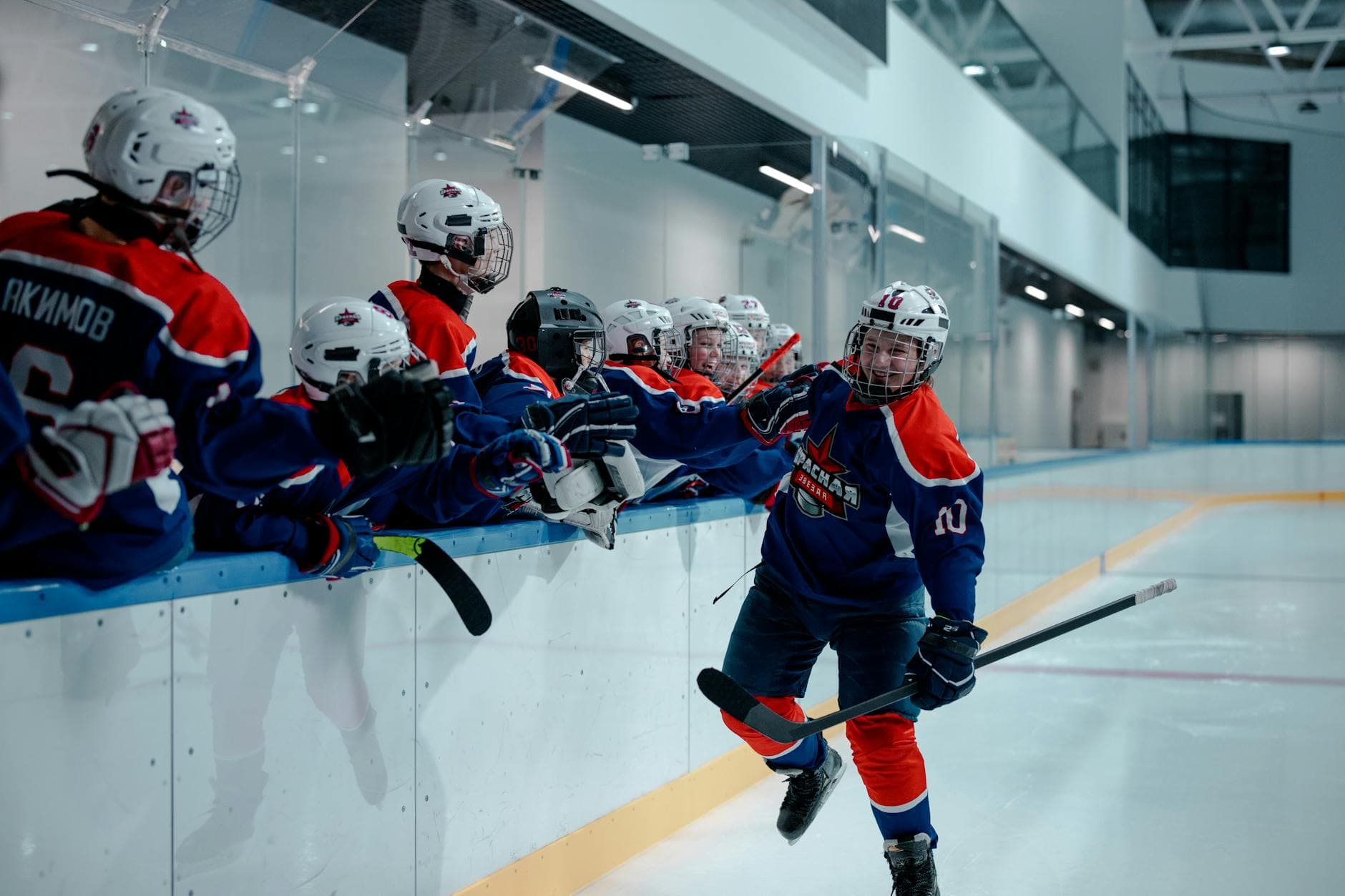
Providence set the regular-season bar that everyone else is chasing. The Bruins clinched the Macgregor Kilpatrick Trophy on April 12, 2026, under fifth-year head coach Ryan Mougenel, finishing 54-14-2-0 for 110 points, the league’s best record. That kind of season is the benchmark the field is measured against, because it shows how much consistency it takes to survive 72 games and still arrive in the playoffs with something left.
The bracket is already exposing who can carry a series
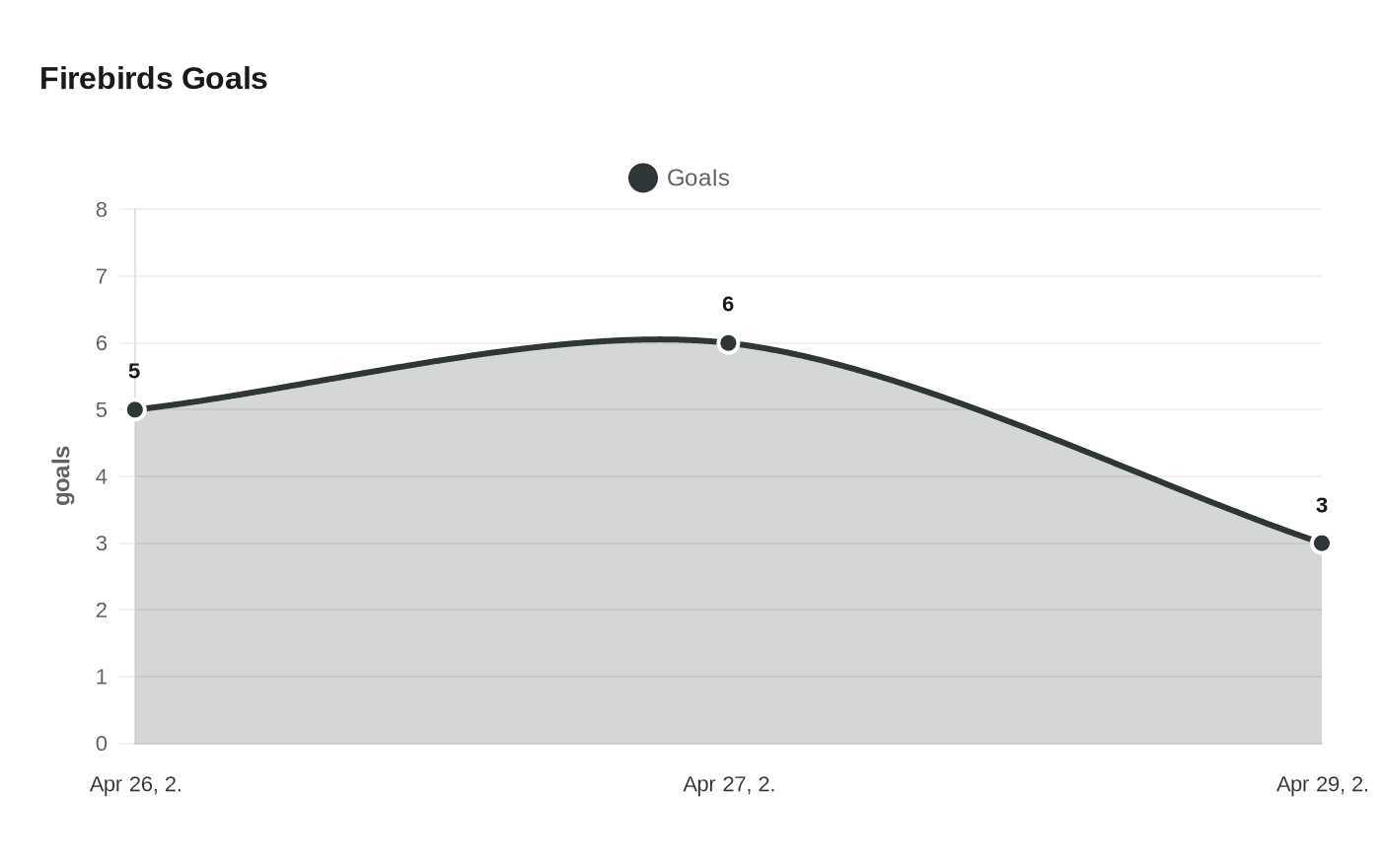
Coachella Valley’s first-round comeback against Bakersfield is the kind of sequence that tells you more than a box score ever could. The Firebirds survived the Condors 5-4 on April 26, 2026, when Mølgaard scored the late go-ahead goal, then closed the series with a 6-2 Game 3 win on April 27. Two days later, they opened the Pacific Division semifinals with a 3-0 win over Ontario on April 29, and the message was simple: the Firebirds are not just advancing, they are being driven by prospects who are handling the moment.
That is where Mølgaard becomes the clearest call-up case in the playoff field. The 6-foot, 180-pound left wing was born on February 18, 2005, in Hjørring, Denmark, and Seattle took him 52nd overall in the 2023 NHL Draft. His regular-season AHL line was solid, 49 games, 10 goals, 24 assists and 34 points, but the postseason has raised the stakes because his production is now showing up when the puck gets heavier and the opponent closes faster.
Through six playoff games, Mølgaard entered the notebook as the goal-scoring leader with four goals. That total is not just useful because it is high, it matters because of how he got there: a two-goal Game 2 against Bakersfield, a goal and two assists in Game 3, and then continued impact against Ontario. A prospect who can score in a series, then immediately do it again in the next round, is doing more than flashing upside. He is building evidence that his game can survive the NHL’s next layer of pressure.

Coachella Valley’s run is bigger than one player
The Firebirds’ comeback has not been a solo act. Seattle’s own team coverage highlighted Jacob Melanson, Jagger Firkus and Jani Nyman as additional prospects starring in the first-round turnaround, which matters because organizations rarely learn everything they need from one player alone. A playoff run like this gives the club a wider sample of young forwards handling different jobs, different shifts and different kinds of leverage.
That broader context is the real value. Mølgaard is the cleanest headline because his point production jumps off the page, but the rest of Coachella Valley’s young core shows why playoff hockey is such a useful development tool. It is one thing to look promising in the regular season; it is another to keep your pace when every board battle is heavier and every mistake is a season swing.
This is also where the call-up timeline starts to matter. A player who proves he can drive offense in the Calder Cup Playoffs does not just improve his odds of another look, he strengthens the case for real NHL responsibility the next time injuries, camp battles or roster openings hit. For Seattle, that kind of performance can tighten the path toward a 2026-27 roster decision instead of leaving it open-ended.
The league-wide lesson is not subtle
NHL.com framed the 2026 Calder Cup Playoffs as a prospect showcase as much as a championship chase, and that lens fits the field perfectly. Seattle and Edmonton have young forwards making an impact, and Vegas has the AHL’s highest-scoring affiliate in part because of two key prospects. Those are not random notes. They point to the same conclusion: the AHL postseason is where organizations find out which young players can turn promise into production under playoff pressure.
That is why Mølgaard’s rise stands out. He is not being evaluated on one highlight or one scoring streak, but on whether his game holds together when the series changes shape and the opponent adapts. The late goal against Bakersfield, the secondary work in the Game 3 rout, and the shutout-style start against Ontario all say the same thing. His offense is not just real, it is portable.
The Calder Cup always has a champion, but the deeper prize is information. By the time the field gets down to the last 16 teams, NHL organizations learn which prospects can still create when the game gets smaller, meaner and more expensive. Coachella Valley is teaching that lesson fast, and Mølgaard is the strongest proof that the AHL postseason remains the league’s final proving ground for future NHL players.
This article was produced by Prism’s automated news system from verified source data, official records, and press releases, then run through automated quality and moderation checks before publishing. The system is built and supervised by the people who set the standards it runs under. Read our full AI policy.
Did this article answer your question?