Cecchini warns AHL rule change could reshape prospect development
19-year-olds in the AHL would redraw the junior-to-pro map fast, shifting leverage from CHL clubs to NHL teams and forcing prospects to choose earlier.
The next pressure point in North American hockey development is not a new rink or a bigger contract. It is whether NHL clubs will soon be able to send 19-year-olds to the American Hockey League, a change that would alter prospect paths, roster planning, and the balance of power between major junior and pro development almost immediately.
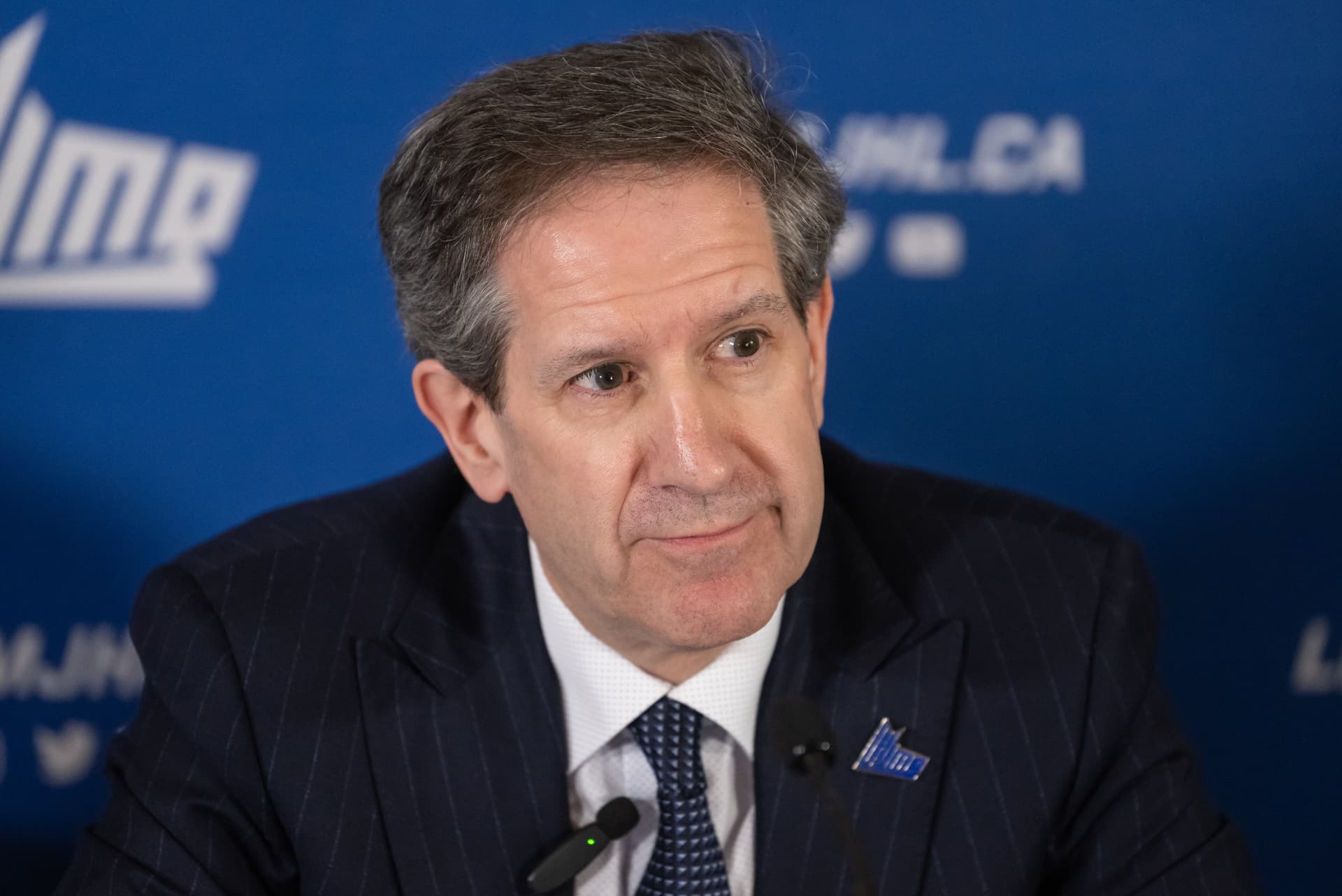
Mario Cecchini’s comments land in the middle of that shift. The Quebec Maritimes Junior Hockey League commissioner is watching a system that is already under strain from expansion talk, American talent movement, NCAA changes, and a possible rewrite of the NHL-CHL agreement that could finally move some elite teenagers out of the junior track and into pro hockey a year earlier than the current structure allows.

What the rule change would actually do
The discussion has moved beyond rumor. NHL.com reported on March 17, 2026 that NHL general managers were debating a framework that would allow at least one, and potentially more, 19-year-olds per NHL team to play for AHL affiliates. Earlier reporting in July 2025 described a narrower version, with each NHL club allowed to assign one 19-year-old CHL player to its AHL roster. Later reporting suggested the language could be broader than that, opening the door to more than one 19-year-old per team.
That distinction matters. A one-player rule would be a controlled crack in the wall. A broader version would give NHL organizations real flexibility, especially for first-round picks who are too good for junior but not ready for NHL minutes. It would also change how clubs build their developmental depth charts, because an 19-year-old in the AHL can be protected, challenged, and evaluated against older professionals instead of dominating younger competition.
For now, the current AHL rule book still reflects the existing minimum-age structure, and the NHL’s 2025-26 official rules document remains separate from the proposed change. In other words, this is still a policy fight, not a settled operating rule.
Why Cecchini is treating this as a league issue, not a side note
Cecchini’s view matters because the QMJHL sits inside a broader CHL ecosystem that is already feeling pressure from every direction. The CHL says it is the world’s largest development hockey league, with 51 Canadian and nine American teams spread across the Western Hockey League, Ontario Hockey League, and Quebec Maritimes Junior Hockey League. If one part of that system changes, the ripple does not stay local.
The most obvious consequence would be for top prospects. A 19-year-old who might otherwise return to junior for one more high-usage season could instead be pushed into a pro environment where ice time is earned, mistakes are expensive, and development is less linear. That could accelerate some players and stall others. It would also force NHL clubs to make earlier, sharper decisions about who is ready for the AHL grind and who still needs another year of heavy junior minutes.
The change would also reshape the way CHL clubs build around their best players. Junior teams have long depended on elite 19-year-olds to drive scoring, sell tickets, and anchor leadership groups. If those players start leaving for AHL affiliates, the talent gap could widen quickly, especially for teams that already rely on top-end overagers to stay competitive.
The NCAA ruling changed the leverage game
The timing is no accident. The junior-to-pro pipeline is being reworked from both ends. After more than 40 years, the NCAA Division I Council ratified a change on November 7, 2024, effective August 1, 2025, making CHL players eligible for NCAA hockey. That decision matters because it gave players from the WHL, OHL, and QMJHL a different exit ramp, and it sharpened competition for junior talent across North America.
That shift forces CHL clubs to compete not just with the AHL and NHL path, but with college hockey too. A player who once had to choose between major junior and NCAA hockey now has more room to consider both pathways over time, which changes how families, agents, and development staffs evaluate the next step. It also affects USHL and NCAA relationships, because American prospects may see the CHL less as a dead end for college hockey and more as a viable staging ground.
For the CHL, that is not a small adjustment. It means the league has to defend its value proposition in a market where prospects are being asked to compare pro development, college eligibility, and major junior opportunity all at once.
What NHL clubs gain, and what junior leagues risk losing
From an NHL perspective, the appeal is obvious. AHL affiliates would get a younger class of players who are closer to a team’s long-term core, and NHL front offices would gain another tool in prospect management. Instead of leaving a prized 19-year-old in a junior league where the player may have already outgrown the competition, clubs could place him in a league built for tougher, older opposition.
That could improve roster construction at the organizational level. It also gives teams more control over development timelines, especially for players whose next step is less about confidence and more about surviving the pace of the pro game. For some prospects, the AHL would become a better bridge than one more season of junior dominance.
The downside for Canadian junior leagues is just as clear. If NHL teams start using the AHL as the preferred landing spot for 19-year-olds, the CHL could lose premium talent sooner, thinning the top of rosters and changing the quality of competition. The Memorial Cup and the broader CHL development model are already under scrutiny, and this debate adds another layer of pressure to a league that must defend both its competitive product and its place in the North American ladder.
Why the next few months matter
NHL officials have already signaled the agreement with the CHL can be reopened before June 2026, which keeps the issue active rather than hypothetical. The NHL, the CHL, and the NHL Players’ Association are working through draft language now, and that means the shape of the rule is still being negotiated.
That is why Cecchini’s warning carries weight. This is not just about one age group or one league. It is about which institutions control the most valuable years of a prospect’s career, who gets to define development, and whether junior hockey remains the primary launchpad for elite Canadian teenagers or becomes one stop in a longer, more fragmented path.
If the 19-year-old AHL rule goes through, the effects will be felt first in prospect assignments and roster sheets. The deeper impact will come later, when NHL teams, CHL clubs, and families all start making different decisions because the old ladder no longer looks fixed.
Know something we missed? Have a correction or additional information?
Submit a Tip