Hershey Bears set Calder Cup record, spotlighting AHL dynasties
Hershey’s 13th Calder Cup is more than a banner. It’s the clearest proof that NHL affiliation, pipeline depth and market stability build AHL dynasties.
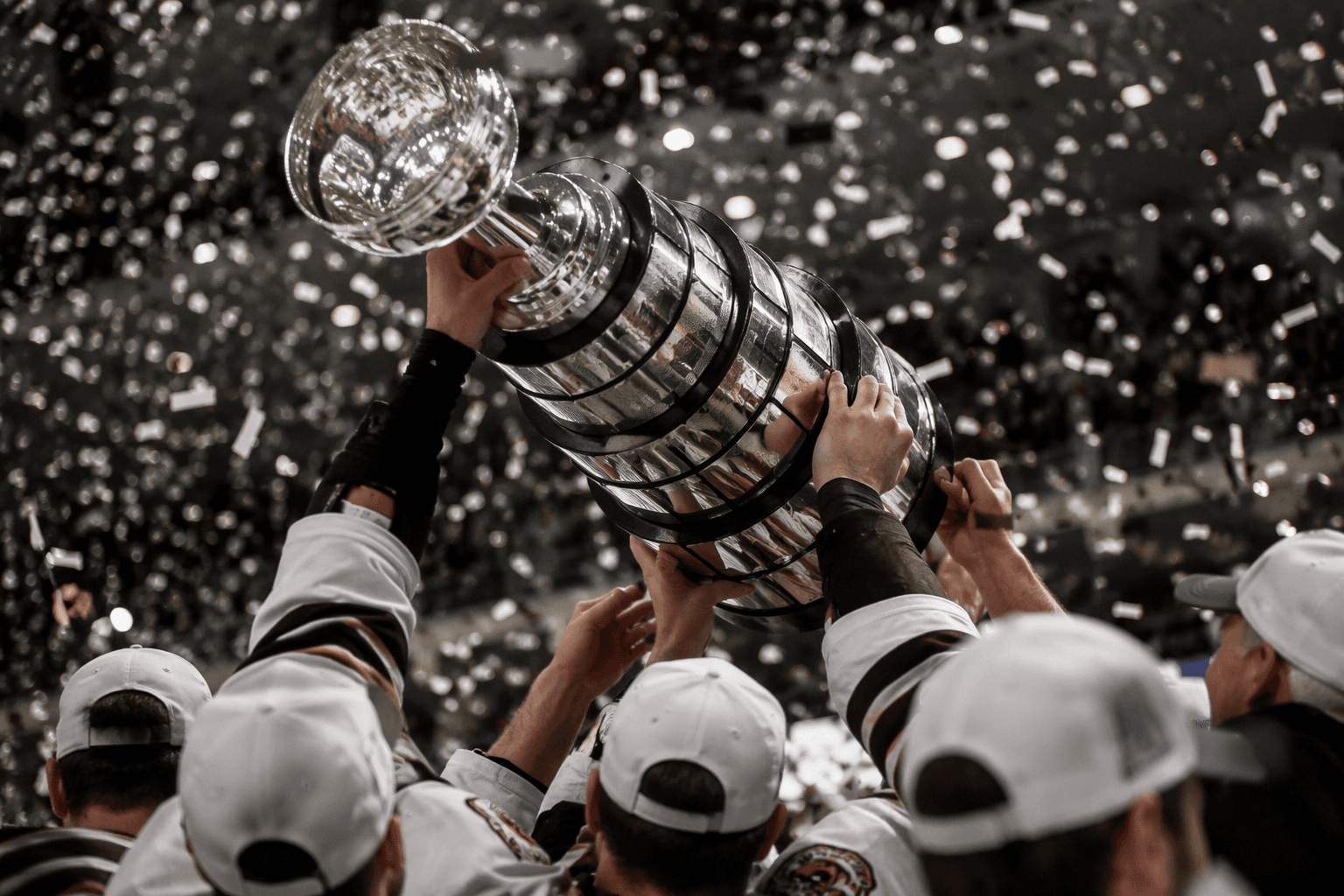
Hershey’s latest Calder Cup was not just won, it was built the way AHL dynasties always are: through structure that survives roster churn. The Bears beat the Coachella Valley Firebirds 4 games to 2, closed out Game 6 with a 5-4 overtime win at Giant Center, and turned a title clincher into a snapshot of what sustained excellence looks like in this league.
What the record book really measures
The AHL is old enough that its record tables read like a map of the league itself. The league formed after a meeting in Cleveland on October 4, 1936, when officials from the International Hockey League and the Canadian-American Hockey League announced a combined circuit called the International-American Hockey League. That origin matters because team-record coverage is not just a trophy list. It is the fastest way to see which franchises became institutions instead of one-season stories.
The league’s official championship-teams page and team-records page are the cleanest way to compare that history, and the 2023-24 American Hockey League Official Guide & Record Book provides the broader tables behind it. That framework puts Hershey in the same conversation as the Springfield Indians, Rochester Americans, Toronto Marlies, Milwaukee Admirals and Cleveland Barons, clubs that turned repeated contention into identity. The point is not simply who won once. It is who kept showing up in the final rounds.
Hershey’s 13th title is the standard-setter
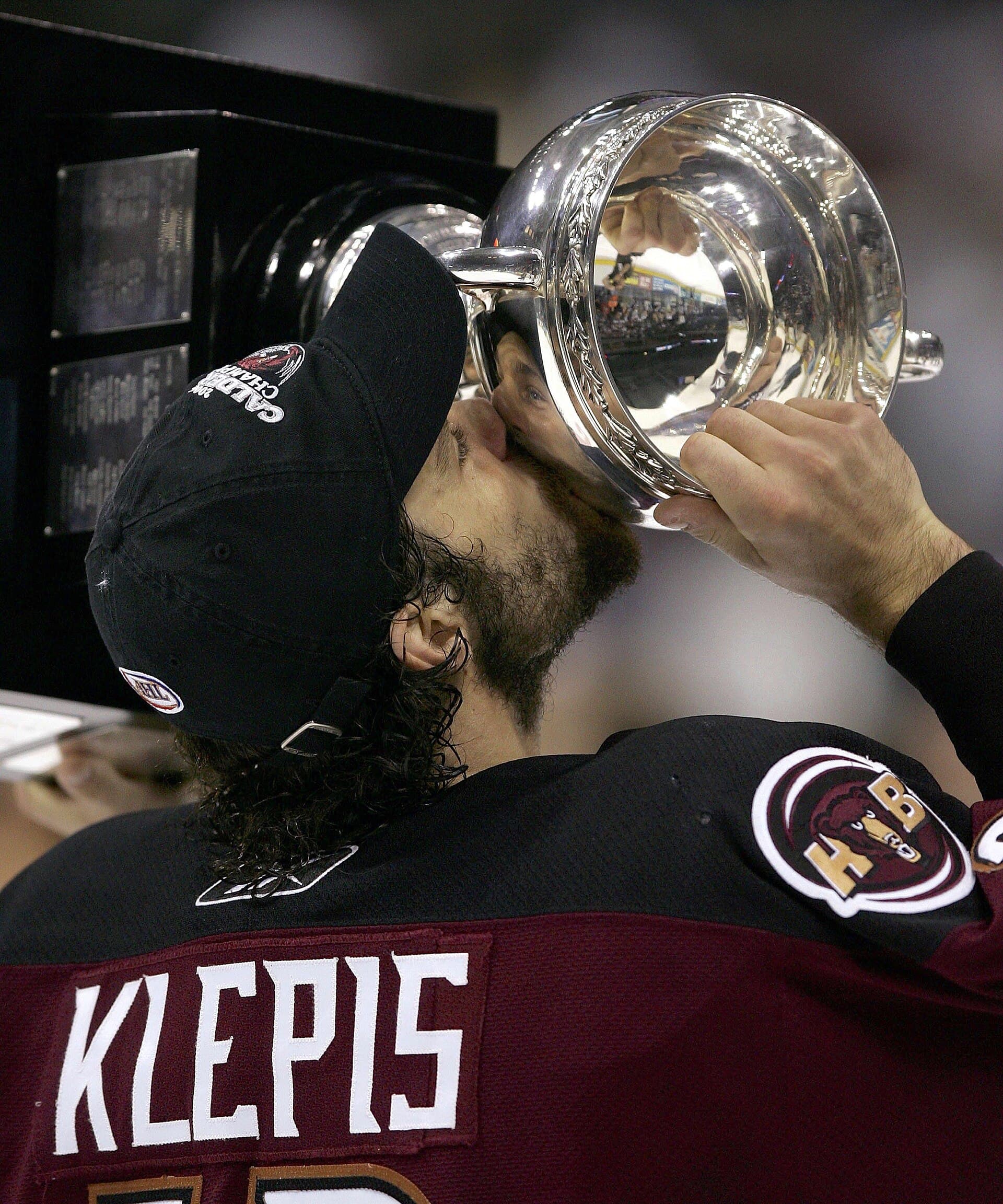
Hershey’s 2024 championship pushed the Bears to 13 Calder Cup titles, the number that now sits on top of the league’s official championship record. The Bears sealed it in Game 6 against Coachella Valley, winning 5-4 in overtime at Giant Center and finishing the series four games to two. That final game gave the dynasty its cleanest proof: when the pressure tightened, Hershey still had the answers.
Pierrick Dubé delivered a hat trick in the clincher, the kind of performance that separates a good playoff night from a franchise-defining one. Matt Strome scored 66 seconds into overtime, and that ending says almost everything about the Bears’ identity. They did not need a perfect game to finish the job. They needed a group that understood how to stay dangerous until the last puck touched the net.
The bigger point is repeatability. Hershey’s official 2024 title was its second straight championship, and that repeat run is what makes the franchise more than a seasonal surge. In the AHL, one title can be timing. Two in a row starts to look like design.
Why AHL dynasties are built differently than NHL dynasties
AHL clubs do not get the luxury of stable rosters for long stretches. NHL recalls, injuries and short-term call-ups keep the player pool in motion, which means the winning formula cannot depend on a fixed lineup. That is why a franchise that can win once is impressive, but a franchise that can stack titles across decades is operating at another level.
The best AHL organizations turn turnover into an advantage. They know replacements are coming, so the real asset is not a single roster but the system that absorbs movement without losing standards. Coaching continuity matters because it keeps the principles intact when players change. Prospect pipeline quality matters because it keeps the talent stream flowing. Market support matters because the building, the city and the expectation level all help make playoff hockey feel normal instead of rare.
Hershey is the clearest case study. The Bears are one of the league’s most durable markets, and their long-running connection with the Washington Capitals gives the club the kind of NHL affiliation stability that dynasties lean on. When the parent club and the affiliate are aligned, the AHL team is not just filling time between recalls. It is developing players inside a consistent hockey identity.
The teams the record tables reward most
The championship list is one view. The team-records page gives the other. Titles matter, but repeated appearances matter too, because that is where sustained program strength shows up. The franchises that keep surfacing in those tables are the ones that became playoff constants rather than brief flashes of success.
That is why the Hershey story travels well beyond one banner. The same record pages that place the Bears at the top also show how rare it is to stay there. Some organizations collect one memorable run and fade. Others build a habit of returning to June. The Springfield Indians, Rochester Americans, Toronto Marlies, Milwaukee Admirals and Cleveland Barons all belong in that broader conversation because they represent the league’s long memory, the kind of clubs whose records outlast individual seasons.
Those tables also correct lazy thinking about the AHL. Regular-season wins are not the whole story, and they never have been. The real test is whether a team can turn a strong year into a repeatable development-and-winning model when the NHL starts pulling pieces away. That is where the best AHL franchises separate themselves from teams that merely get hot.
What current contenders should be chasing
Coachella Valley’s trip to the final shows how hard it is to finish in this league, even when a roster is good enough to reach the last round. The Firebirds pushed Hershey to six games and had Game 6 in overtime before Strome ended it 66 seconds in. That kind of run matters, because it shows a contender can be close without being built to last.
The question for today’s best affiliates is not just who can win a series right now. It is who can keep the machine running while the NHL and AHL calendars keep grinding players in and out. The organizations closest to Hershey’s template are the ones with a stable affiliation, a prospect pipeline that keeps producing, a coaching staff that preserves the system, and a market that expects playoff hockey as part of the job.
That is the real lesson in the Bears’ 13th Calder Cup. The record book does not merely preserve old champions. It identifies the blueprints that still work, and Hershey’s page at the top of it tells every contender the same thing: in the AHL, dynasties are built by the clubs that can keep winning after the roster changes.
This article was produced by Prism’s automated news system from verified source data, official records, and press releases, then run through automated quality and moderation checks before publishing. The system is built and supervised by the people who set the standards it runs under. Read our full AI policy.
Did this article answer your question?