How the AHL Calder Cup Playoffs work, from 23 teams to champion
The Calder Cup path is brutally compact: 23 teams, opening-round byes, and a best-of-three trapdoor can reshape a contender’s season before the bracket fully settles.
The Calder Cup chase starts with pressure, not comfort. In the AHL’s current setup, 23 teams reach the postseason, some clubs get a bye, and the opening round is short enough that one off-night can change a championship path before it ever feels settled. That is what makes this bracket so consequential: it rewards regular-season work, but it also creates sudden, uneven danger for the teams that have to survive the first cut.
Why the field is built to separate contenders quickly
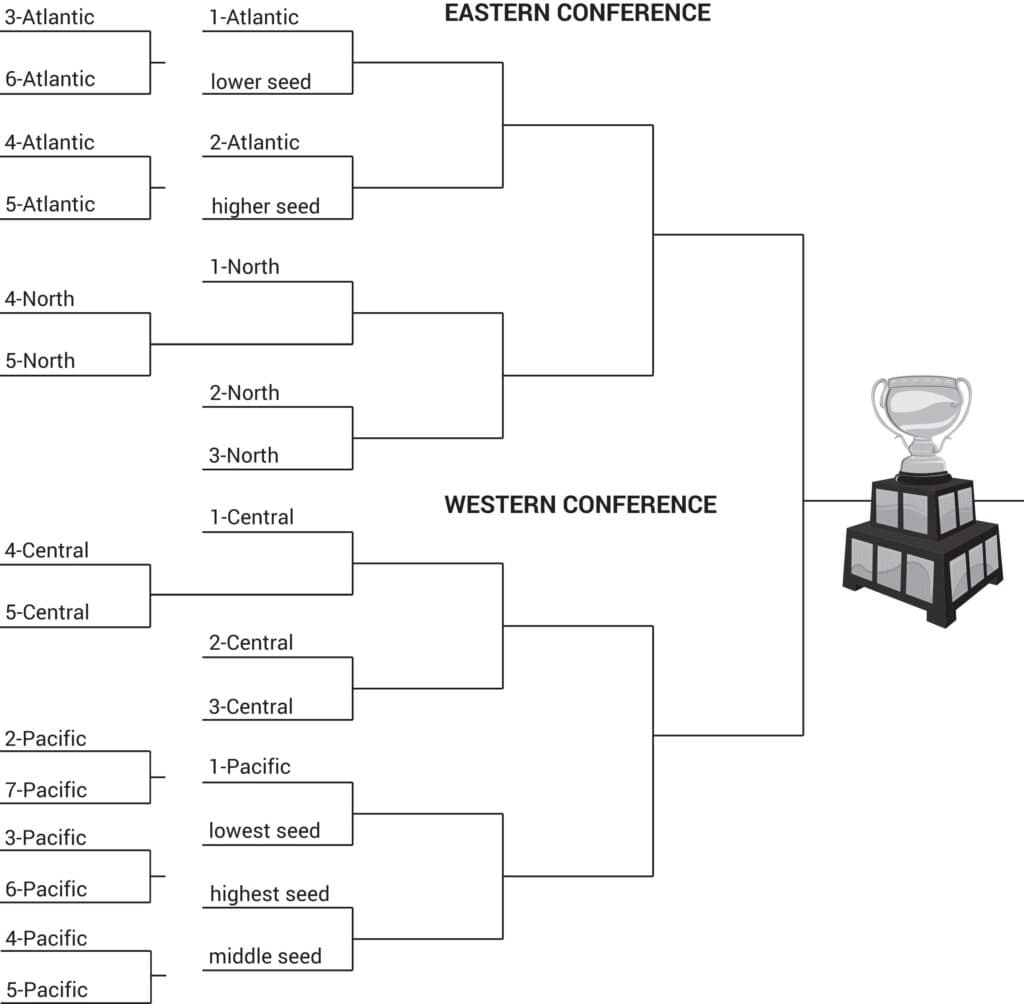
The American Hockey League does not use a tidy, uniform playoff field. Instead, the bracket draws from four divisions and gives the strongest regular-season teams a clear edge: the top six teams in the Atlantic Division qualify from an eight-team division, while the top five in both the North and Central Divisions and the top seven in the 10-team Pacific Division all move on. That uneven structure is deliberate, and it turns the regular season into a long race for something more valuable than seeding alone, because the difference between finishing first or fourth can be the difference between rest and a do-or-die opener.
The playoff format also reflects the league’s geography and business reality. The AHL spans a huge footprint, and its system is built to keep local matchups alive while still rewarding the best records. That matters for fans in travel-heavy markets, where a shorter road trip can decide whether a team’s spring feels manageable or punishing.
How the five rounds actually work
The current postseason runs five rounds from start to finish. The first round is best-of-three, which makes it the most volatile stage of the entire tournament, especially for a team leaning on a hot goalie or a young roster that has not seen this level of pressure before. After that, the bracket opens slightly but never truly relaxes.
The division semifinals and division finals are both best-of-five, and the conference finals and Calder Cup Finals are best-of-seven. The best-of-five rounds are typically played in either a 2-2-1 format or a 2-3 format, depending on building availability, so even the schedule can shape how a series feels from game to game. Once the first round ends, teams are re-seeded within their divisions, which keeps the path merit-based and preserves the league’s emphasis on matching the strongest remaining clubs against one another.
That structure creates a very different tension from the NHL’s postseason. A club that survives the first round may still be worn down, while a higher seed that earned a bye gets to enter colder but fresher. In a league where one strong weekend can swing momentum, that balance between rest and rhythm becomes part of the competitive story.
What the bye actually buys you
The byes are where the bracket becomes most meaningful. The two highest seeds in the Atlantic skip the opening round, the three highest seeds in the North and Central do the same, and the Pacific’s first-place team goes straight to the best-of-five division semifinals. That is not just a scheduling perk, it is a real competitive advantage, because it shortens the route, reduces exposure to a sudden upset, and gives a contender a chance to reset before the bracket tightens again.
Home-ice advantage adds another layer. In every series, the team with more regular-season points gets the right to host more often, so standings are not simply a measure of quality, they are a direct investment in the postseason. The difference between finishing with a few extra points and finishing level with a rival can determine who starts at home, who plays the pressure game in front of its crowd, and who gets the decisive game on familiar ice.
Why the Calder Cup carries more weight than one trophy
The Calder Cup is named for Frank Calder, the National Hockey League’s first president, who served from 1917 to 1943 and was instrumental in the formation of the AHL in the mid-1930s. The trophy was first awarded in 1938 to the Providence Reds, who won the second International-American Hockey League championship, and its current design dates to 2001. The AHL has long described the Cup as a motivational force across the league’s history, and the trophy still functions that way because it is tied to both tradition and player advancement.
The AHL is the top development league for all 32 NHL teams, and nearly 90 percent of today’s NHL players are AHL graduates. That gives every playoff run a double meaning: it is a championship chase, but it is also a proving ground where young forwards, veteran call-ups, and coaches under pressure build credibility that can carry upward. The league also says more than 100 Hockey Hall of Famers spent time in the AHL, which helps explain why the Calder Cup remains a legitimate marker of hockey pedigree rather than a second-tier consolation prize.
A championship history with deep roots and wide reach
The league’s title history stretches across both time and geography. AHL records show that 25 different cities have produced a Calder Cup champion, a reminder that the trophy has traveled far beyond one market or one era. The original Cleveland Barons won a record nine championships, an achievement that still anchors the league’s historical memory and speaks to how dominant certain AHL powers have been over time.
That broad reach matters culturally, too. In places like Providence, Cleveland, Charlotte, and Abbotsford, the Calder Cup is not just a hockey event, it is a marker of civic identity for fans who follow a team from winter through late spring. Because the AHL links so directly to NHL development, a deep playoff run can also change how a city talks about its own players, prospects, and future stars.
What recent playoffs show about the format
The modern bracket has already shown how quickly the road can tighten. The AHL reported that 23 teams qualified for the 2025 Calder Cup Playoffs, and the postseason followed the same structure now in place, with best-of-three first-round series, best-of-five division rounds, and best-of-seven conference and final rounds. The 2025 Calder Cup Finals went six games, with Charlotte facing Abbotsford, a good example of how the format can still produce a long, hard series after the early rounds have already tested depth and composure.
The most current championship also shows the scale of the prize. The Toronto Marlies won the Calder Cup on June 19, 2026, proof that the road from the opening round to the trophy can stretch deep into June and reward the clubs that handle every stage of the bracket. That is the real lesson of the AHL playoffs: the field is large, the opening window is small, and the teams that survive usually do it by winning the moments that matter most before the series length finally expands enough to expose every weakness.
This article was produced by Prism’s automated news system from verified source data, official records, and press releases, then run through automated quality and moderation checks before publishing. The system is built and supervised by the people who set the standards it runs under. Read our full AI policy.
Did this article answer your question?