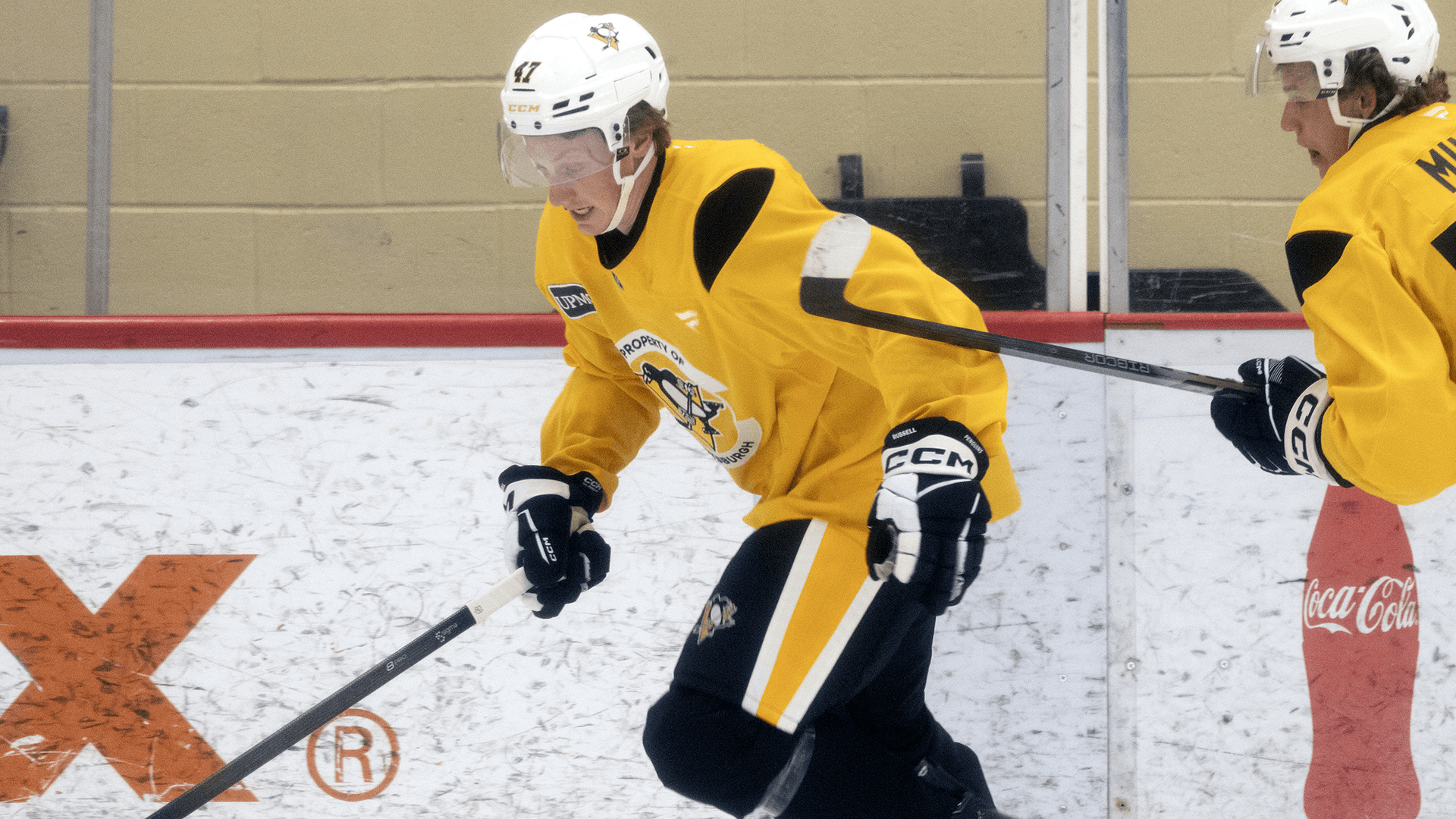
Ivar Stenberg Skips Sweden Return, Targets NHL or AHL Roster Spot
Ivar Stenberg officially left Frölunda HC on April 10, betting his development on an NHL or AHL roster spot rather than returning to Sweden after the 2026 draft.
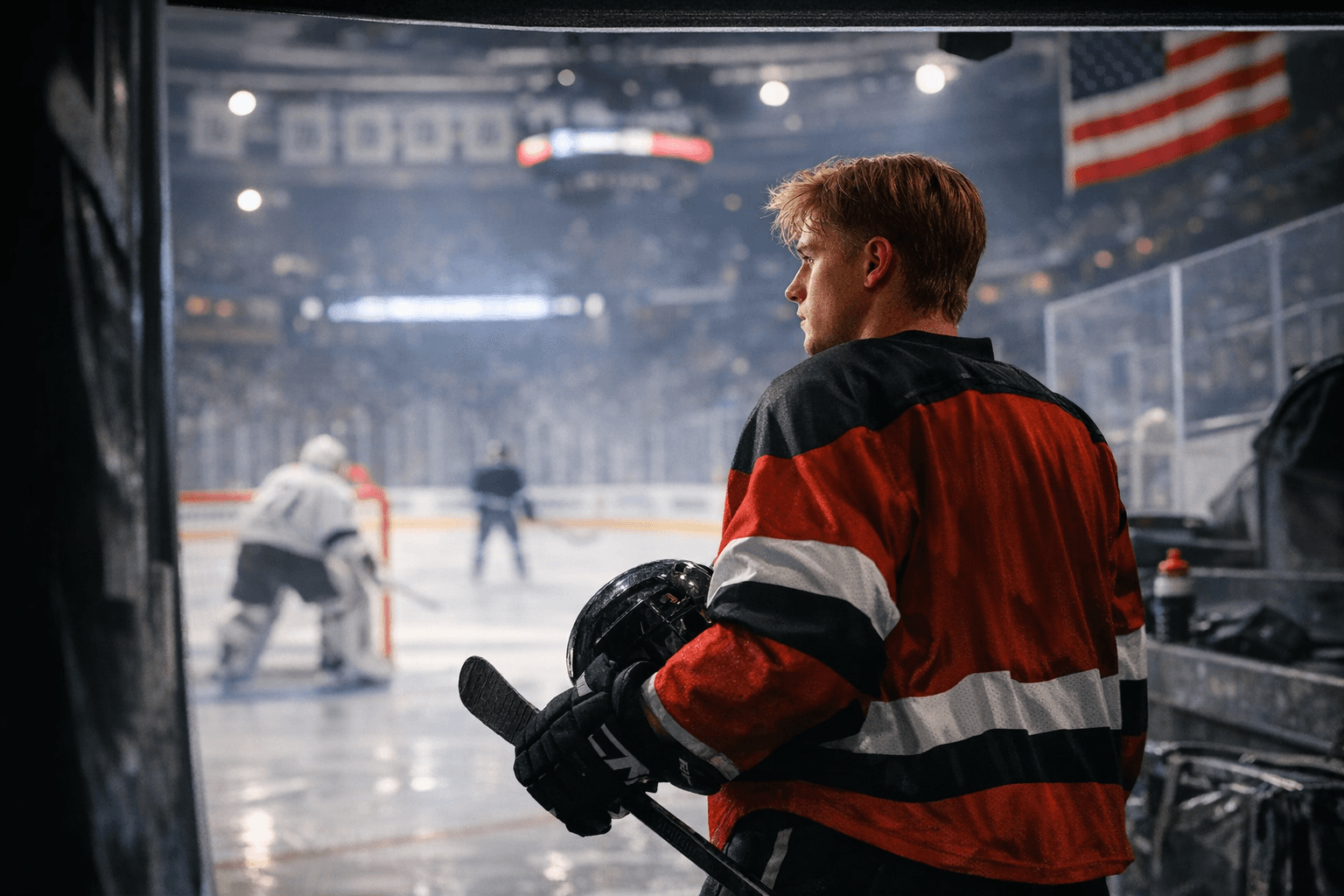
Ivar Stenberg has made his ambitions unmistakably clear. The 18-year-old Swedish winger officially departed Frölunda HC on April 10, with Elite Prospects' Cam Robinson reporting the move signals Stenberg will not return to Sweden next season. Instead, he is positioning himself for an NHL roster spot or, more likely, a seat in the AHL with whichever organization selects him at the 2026 Draft in Buffalo this June.
The decision carries real weight. Stenberg does not leave the SHL as a fringe contributor looking for a new challenge. He leaves as arguably the most productive draft-eligible forward in SHL history this side of Daniel and Henrik Sedin. His 2025-26 campaign with Frölunda produced 33 points in 43 games, a 0.78-point-per-game pace that ranked him third all-time in scoring among draft-eligible SHL players. He also set an SHL record for players 18 or younger with a 10-game point streak, breaking the mark Tomas Sandström set in the 1982-83 season. At the 2026 World Junior Championship in December, he led Sweden in scoring with four goals and six assists across seven games, including a goal and two assists in the gold medal win over Czechia.
Choosing North American pro hockey over another SHL season is nonetheless a high-stakes development bet. The SHL's wider ice surface, 200 feet by 100 feet, gives skilled players like Stenberg the time and space to operate at their best. AHL rinks shrink that width to 85 feet, compressing every decision window and forcing puck-handlers to release faster, protect the puck harder against bigger defensive backs, and read lanes that simply do not exist the way they did in Gothenburg. Stenberg has been described by scouts as a "quick, light skater in a straight line" who is agile but not a power skater. Against the North American pro game's aggressive forecheck and tighter defensive gaps, that skating profile will be tested in ways the SHL never demanded.
The schedule alone represents a different kind of endurance. The SHL runs 52 regular-season games; the AHL runs 72, spread across a longer calendar with more back-to-backs and bus travel between mid-market cities. Managing a teenager's workload across that grind will be as important a decision for the front office as any deployment question.
On the depth chart, realistic expectations matter. Stenberg is widely projected as a top-two pick this June, but landing in the AHL as an 18-year-old top-six forward means competing against veteran professionals who have already adapted to the ice surface, the pace, and the league's physicality. A roster spot opens when a veteran forward either gets called up, reassigned, or cut, and earning that spot by mid-October training camp will be the first genuine test of Stenberg's ability to translate his SHL game to a North American pro context.
A successful first month in the AHL for Stenberg has nothing to do with a point-per-game pace, though that would be welcomed. It looks like consistent competitive engagement on the forecheck, responsible defensive zone habits, and physicality in board battles that would have been optional in a wider Swedish rink. The points will come. What his organization needs to see in the first 30 games is whether his instincts hold up when the ice shrinks and the opponents refuse to give him room to think.
The 2026 draft at KeyBank Center in Buffalo, opening June 26, will determine which organization inherits both the upside and the challenge. Stenberg has already answered the most revealing question by leaving Frölunda behind. What comes next will be written in North America.
This article was produced by Prism’s automated news system from verified source data, official records, and press releases, then run through automated quality and moderation checks before publishing. The system is built and supervised by the people who set the standards it runs under. Read our full AI policy.
Did this article answer your question?