Marlies surge, Bears-Penguins rivalry heats up on loaded playoff day
Toronto ripped off 11 straight goals and took control of Laval, while Hershey and Wilkes-Barre/Scranton stayed deadlocked in a series built on home ice and goaltending.

The Calder Cup bracket was being decided by the smallest swings on a loaded playoff day. In Hershey, Wilkes-Barre/Scranton and the Bears went into Game 3 tied 1-1 and carrying nearly two decades of postseason history with them. In Laval, Toronto had already turned one momentum break into a full-on surge, taking a 2-1 series lead after back-to-back 6-2 wins that changed the feel of the North Division semifinal in a hurry.
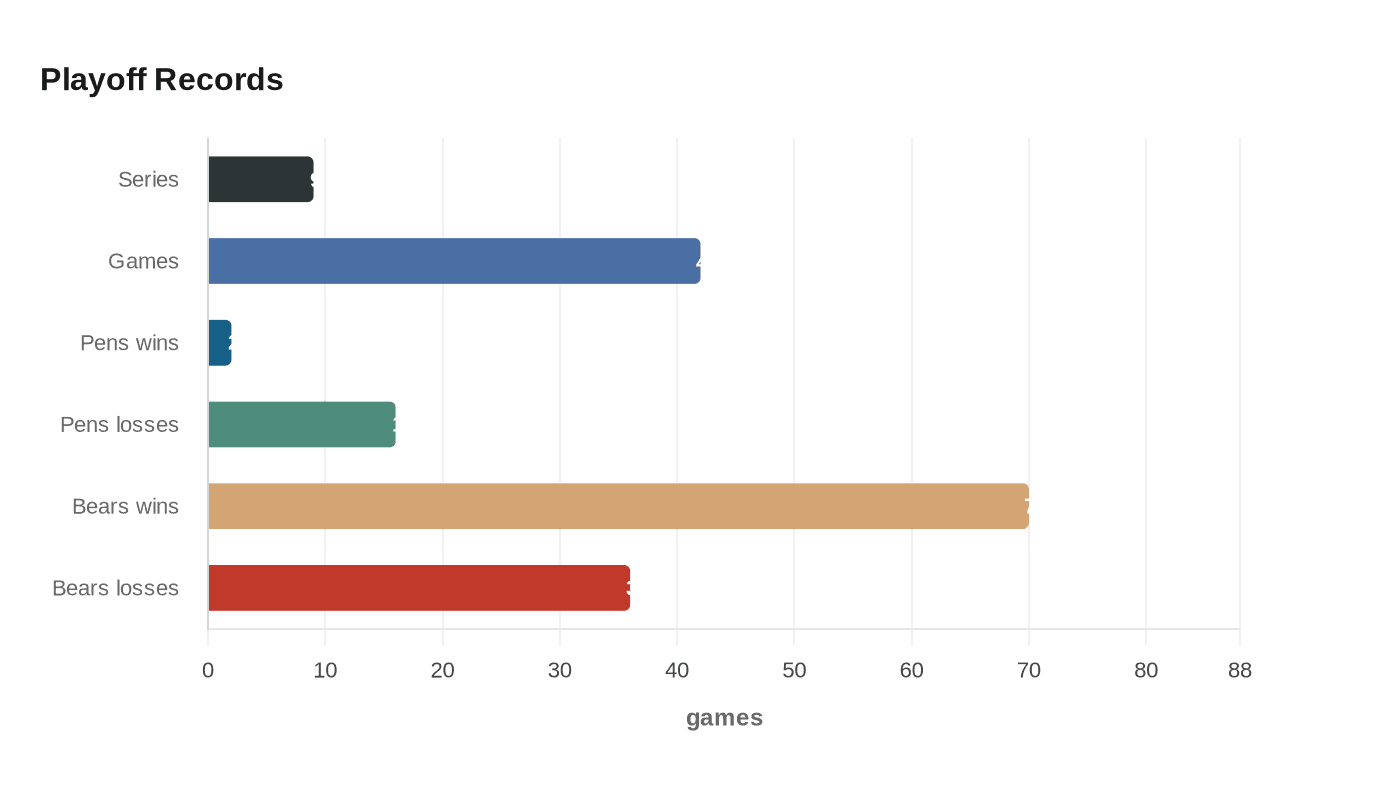
The Penguins-Bears matchup was the ninth all-time Calder Cup Playoff series between the in-state rivals, and the numbers explained why every early shift mattered. The clubs had met in 42 postseason games and split them 21-21, but Giant Center had been a difficult building for Wilkes-Barre/Scranton. The Penguins were 2-16 in Hershey in playoff games since the arena opened, while the Bears were 70-36 on home ice in the playoffs since moving into their new rink. That made the opening minutes of Game 3 a pressure point for the Penguins, who could not afford to fall behind a team that has usually been at its best in front of its own crowd.
Hershey’s edge in Game 2 came from Clay Stevenson, who stopped 37 shots and handled 21 of them in the third period alone to preserve a 2-1 win. That kind of goaltending steadiness is exactly what tilts tight playoff series, especially when a home team can lean on the building and force the other side into a chase. For Wilkes-Barre/Scranton, the task was clear: get the first goal, avoid scrambling against the Bears’ structure, and make Hershey prove it could keep responding under pressure.
Toronto offered the clearest example of how quickly a series can flip. After dropping behind early in Game 2 at Place Bell, the Marlies scored six unanswered goals in a 6-2 win, then carried that wave into Game 3. Logan Shaw scored 11 seconds into the game on Sunday afternoon, and Toronto never let Laval settle in, rolling to another 6-2 victory and a 2-1 series lead. Across the two games, the Marlies scored 11 straight goals over 81:05 of game time, a run powered by power plays, transition chances and other special-teams openings that Laval could not keep containing.
Now the pressure shifts again. Toronto will host Game 4 on Tuesday with a chance to close out the best-of-five series, while Hershey and Wilkes-Barre/Scranton continue to trade blows in a matchup where one save, one power play, or one home-ice push can still swing the entire bracket.
This article was produced by Prism’s automated news system from verified source data, official records, and press releases, then run through automated quality and moderation checks before publishing. The system is built and supervised by the people who set the standards it runs under. Read our full AI policy.
Did this article answer your question?