Moose Defense Carries Team Through Low-Scoring Season Despite 26th-Ranked Offense
Manitoba’s stingy defense is the storyline after an AHL feature published February 15, 2026, noted the Moose ranked 26th in league scoring while leaning on team defense to compensate.
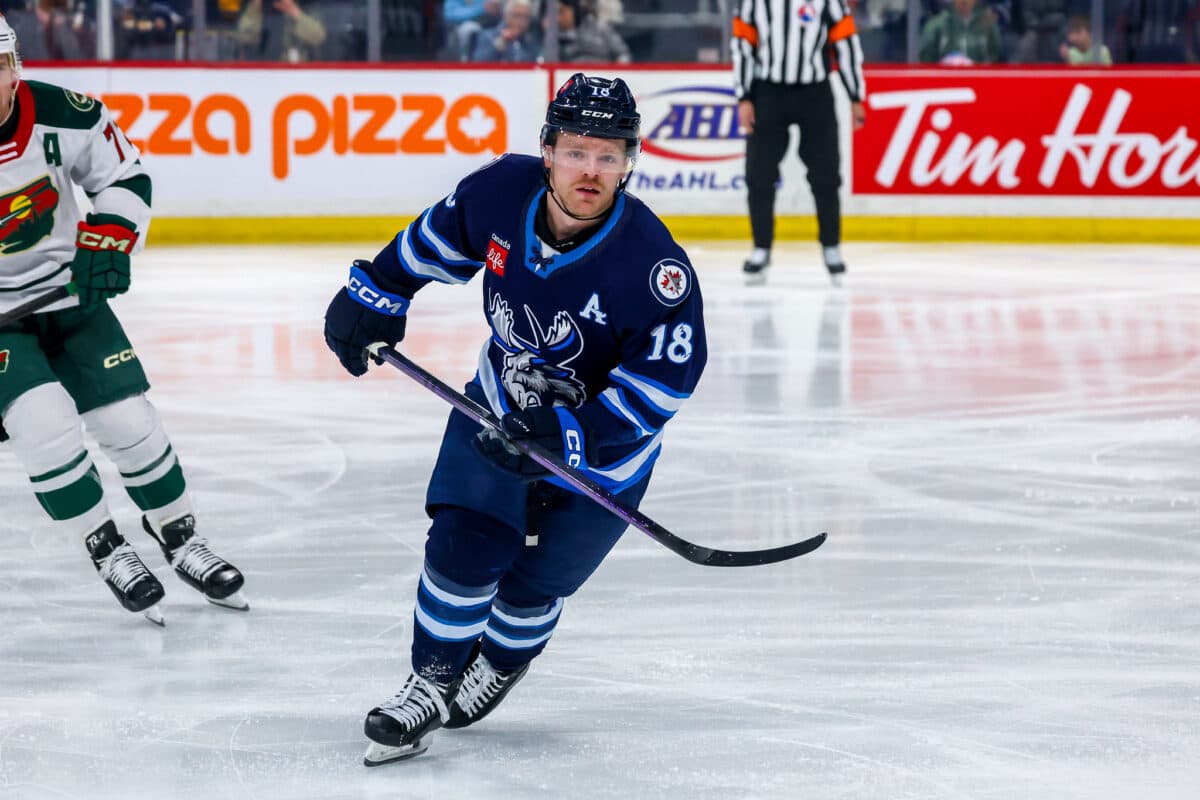
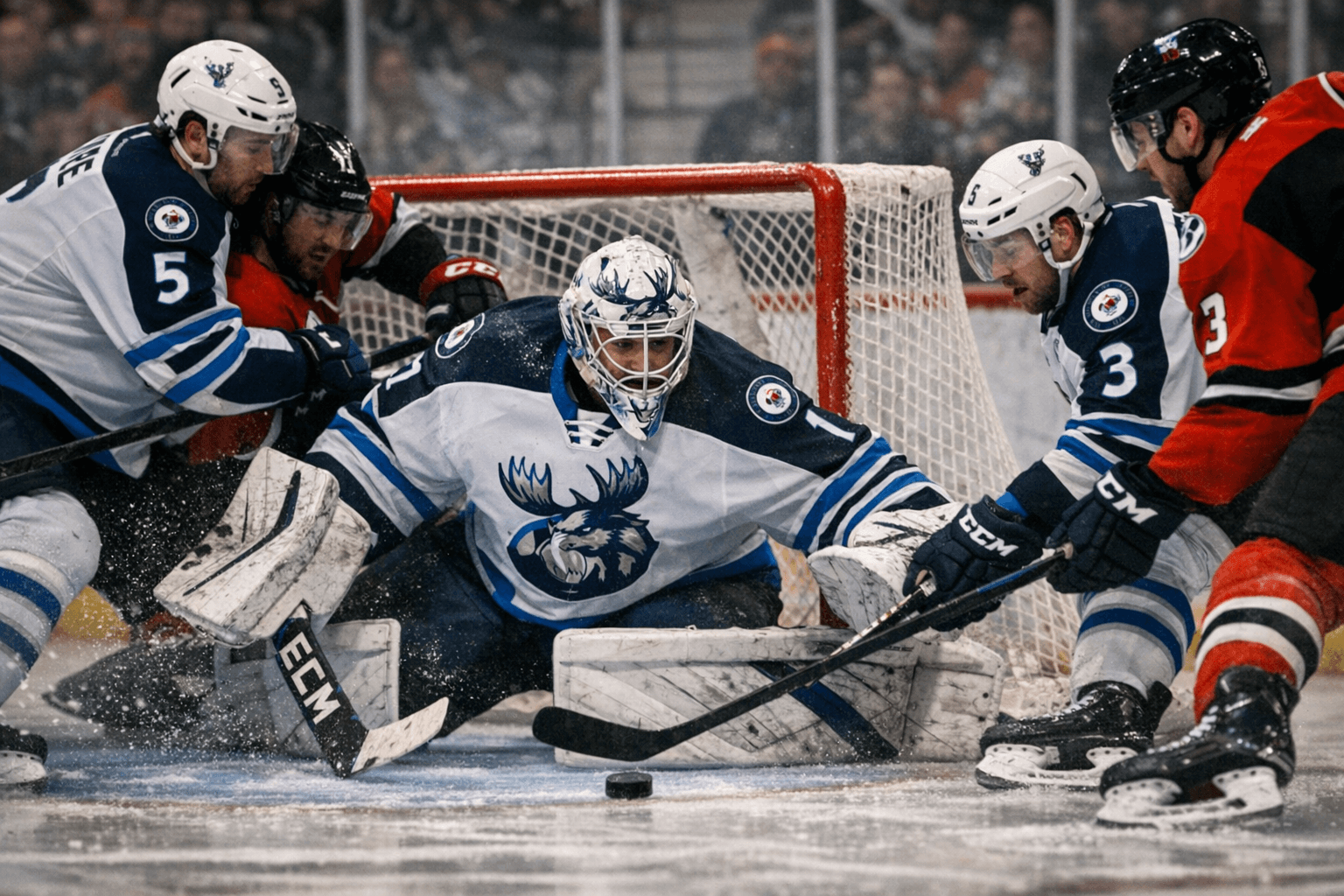
Manitoba Moose defense has become the story of the club’s season, according to an AHL feature published February 15, 2026, that zeroes in on the team’s defensive approach amid an otherwise low-scoring season. The piece says the Moose were identified as 26th in the league in scoring at the time of the piece, and it argues that strong team defense can offset offensive shortcomings.
The AHL feature frames the Moose’s identity around defense and specifically uses the phrase that the story "zeroes in on the Manitoba Moose’s defensive approach amid an otherwise low‑scoring season and explains how strong team defense can offset offensive shortcomings." The article excerpt provided ends mid-sentence with the fragment "but the", and the full continuation of that thought was not supplied in the excerpt.
Key contextual details are missing from the excerpt. The provided material contains no author byline, no coach or player quotes, no specific defensive metrics such as goals-against, penalty kill percentage, shots allowed, or possession numbers, and no game-by-game examples to show how the Moose have translated defensive structure into results. The AHL feature’s publication date is February 15, 2026, and the ranking of 26th in league scoring is explicitly stated, but the source did not include whether that ranking refers to goals per game or total goals, nor the number of teams referenced in the ranking.
Because the word "Moose" appears in another context, the reporting package includes separate material about wild moose safety from an Iere guidance excerpt. That material is entirely distinct from the Manitoba Moose hockey coverage. The Iere excerpt states, in plain terms, "The best way to defend against a moose is to avoid encountering one altogether. Hike in open areas where you have good visibility, make noise to alert moose to your presence, and be especially cautious during dawn and dusk, when moose are most active. Avoid areas known to be moose habitats during rutting season and when cows have young calves."
The wildlife guidance further instructs readers that "To defend against a moose, remember to remain calm, create distance, and assert yourself as a human – make yourself appear large, speak firmly, and back away slowly." The Iere excerpt includes multiple section headings such as "Common Mistakes to Avoid", "Essential Gear for Moose Country", and "Strategies for Moose Defense", and contains repeated literal lines reading "logo" eight times in the supplied copy. Those headings and the repeated "logo" tokens appear as part of the provided material and indicate omitted or placeholder content in the Iere excerpt.
The two uses of "Moose" are separate: the AHL feature published February 15, 2026, addresses Manitoba Moose team defense while the Iere guidance addresses human safety around wild moose. To fully assess the hockey angle raised by the AHL feature, how a defensive identity can compensate for being 26th in league scoring, the missing elements must be obtained: the complete AHL article text, the full sentence following the supplied "but the" fragment, the author byline, and the defensive and offensive metrics cited. Only with those specifics can readers judge whether Manitoba’s defense is a temporary patch or a sustainable competitive advantage.
This article was produced by Prism’s automated news system from verified source data, official records, and press releases, then run through automated quality and moderation checks before publishing. The system is built and supervised by the people who set the standards it runs under. Read our full AI policy.
Did this article answer your question?