NHL Clubs, AHL Affiliates Weigh Prospect Development and Cap Strategy During Olympics
NHL midseason breaks, including the 2026 Olympic window, force roster decisions that ripple through AHL rooms - Milwaukee Admirals coach Karl Taylor says development work for players like Eeli Tolvanen is nonnegotiable.
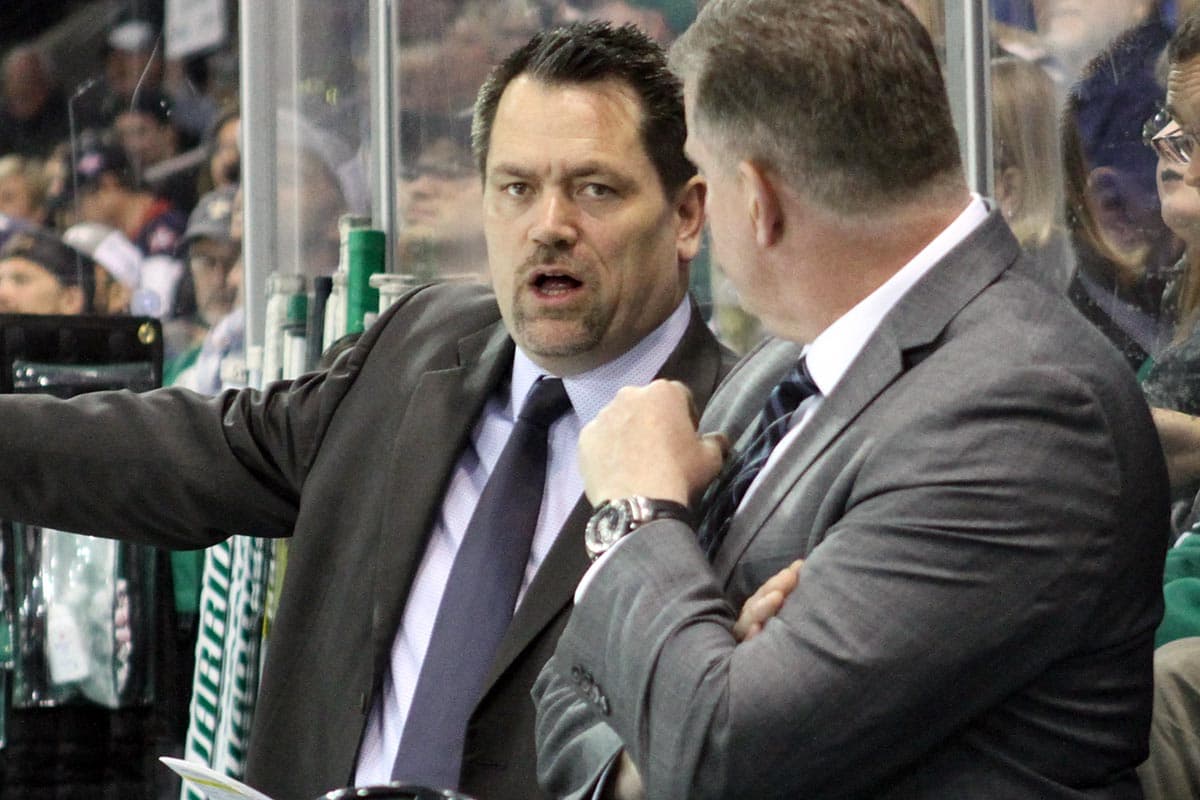
NHL midseason breaks, including the 2026 Olympic window, force organizations to make short-term roster decisions that have outsized implications for AHL development. That pressure plays out in Milwaukee, where head coach Karl Taylor has framed the Admirals’ role as maximizing player value and NHL opportunity while preserving roster continuity for AHL-contracted players.
Taylor, who was hired to coach the Milwaukee Admirals the summer before Eeli Tolvanen’s first season with the AHL club, brought a development-first ethos from his previous role as an assistant coach with the Texas Stars, the AHL affiliate of the Dallas Stars. Taylor spells that ethos plainly: “Our goal, when the players come to us is to make them better, period. Increase their value, increase the opportunity for them to get to the NHL. Even our AHL contract players, our goal with them every year is ‘how do we get you another contract, how do we keep you playing? How do we keep you in the AHL?’ We’re invested in every single player we get.”
That hands-on approach sits inside a league with a dual identity. The AHL serves the dual purpose of being both a development league and the minor league to the NHL, and AHL rosters are composed of NHL prospects, career AHL players, and former NHLers toward the end of their careers. Teams also remain focused on winning even as they cultivate prospects, a tension that becomes acute when NHL clubs pull players for international duty or shuffle rosters during an Olympic break.

Industry framing around the 2026 Olympic window highlights three linked topics - roster strategy, development trade-offs, and cap mechanics - and asserts that there are consistent organizational strategies across roster moves during the Olympic break. Concrete examples of those strategies and the cap maneuvers clubs use during that window are not detailed in the available material, however, leaving a gap between high-level claims and the transaction-level evidence needed to quantify the trade-offs for franchises and for individual players like Tolvanen.
The cultural shorthand for that pathway is already familiar in Nashville-Milwaukee circles: “the road to Nashville goes through Milwaukee,” a phrase fans use to acknowledge the Admirals-to-Predators pipeline. Taylor’s stated focus on keeping AHL contract players employed and improving their market value touches on a broader social and business dynamic - AHL rosters are job markets and talent showcases for players, and NHL midseason breaks recalibrate both ice time and career opportunity. Confirming precise hire dates, Tolvanen’s first Admirals season, and specific call-ups and cap moves around the 2026 Olympic window will be essential to measuring how those short-term roster decisions translate into long-term NHL outcomes.
This article was produced by Prism’s automated news system from verified source data, official records, and press releases, then run through automated quality and moderation checks before publishing. The system is built and supervised by the people who set the standards it runs under. Read our full AI policy.
Did this article answer your question?