Prospects return to AHL camps, battling for roster spots
AHL camp is where summer promise turns into job security, with prospects and veterans alike fighting for the next call-up in a league built around NHL depth.
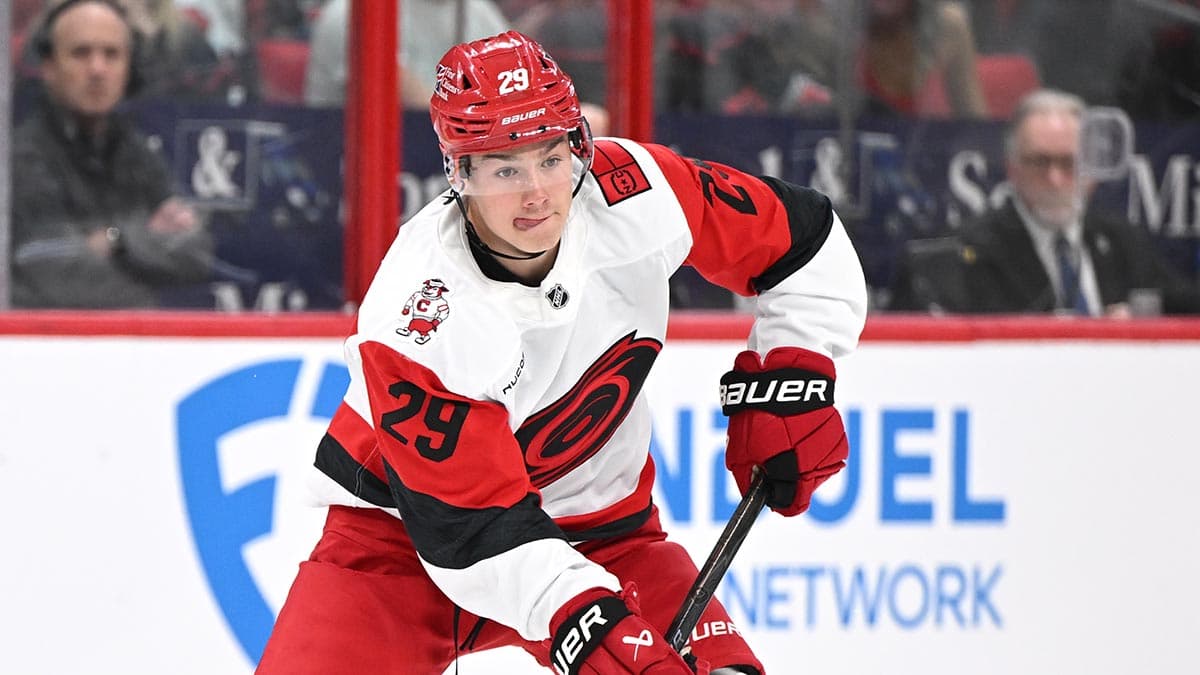
The real value of AHL camp is not the drills themselves. It is the first hard reset in the NHL pipeline, where draft picks, college arrivals, junior jumpers and returning AHL veterans begin fighting for the next call-up behind 32 NHL clubs. The American Hockey League calls itself the top development league for all 32 NHL teams, and that is exactly why every late-summer roster decision carries real weight.
Why the camp return matters
The league’s 2025-26 schedule was released before camp and lists 1,152 total regular-season games in the AHL’s 89th season, a reminder that this is not a short audition but a long season built on depth management. The AHL also unveiled its 2025-26 top prospects team, another public signal that elite young talent remains central to the league’s identity.
Camp is where readiness gets measured in hockey terms that matter: who can survive shifts against older, stronger opponents, who can process systems quickly, who can make the extra pass under pressure, and who can be trusted when injuries and recalls start reshaping a roster. For a prospect, the return to team ice is the first real chance to show that summer training has translated into pro pace and structure.
What teams are sorting out
The battle is not just for a job, it is for a role. A young forward is trying to prove he can handle pro pace without getting buried by older competition; a defenseman is trying to show he can defend, move the puck cleanly and not spend shifts chasing the play; a returning AHL player is trying to defend a spot that can disappear fast once the organization decides a prospect is ready.

That is why the camp stretch matters so much for call-up pecking order. Teams are trying to identify who can fill minutes, who can handle injury replacements and who can grow into bigger responsibility by winter, when the schedule gets crowded and NHL clubs start pulling help from the farm. In a league built to serve the parent club, the difference between a strong camp and a quiet one can shape the entire development timeline.
The public calendar is tightening
Some of the clearest camp markers have come from clubs that have made the process public and specific. The Calgary Wranglers announced an AHL training camp schedule beginning September 30, 2024, with practices set for October 1, 2, 3 and 5 at WinSport Arena B. The Wranglers also announced a 2025 AHL training camp roster on October 1, 2025, a sign of how much these dates now function as public entry points into the season.
Rochester Americans and the Colorado Avalanche also published 2025 camp and rookie-camp schedules, which shows how widely the evaluation calendar has spread across organizations. Camp is no longer just internal business tucked behind closed doors; it is a structured phase with dates, rosters and a clear handoff from summer development to roster competition.
Rookie camps feed the AHL funnel
The next layer down is just as important. Nashville announced on August 27, 2025, that its rookie camp would begin Wednesday, September 10, and that the 2025 NHL Prospect Tournament would come before main training camp on September 17. That sequence matters because it gives young players a short runway to prove they deserve to keep moving up the ladder before AHL camp hardens into true lineup battles.
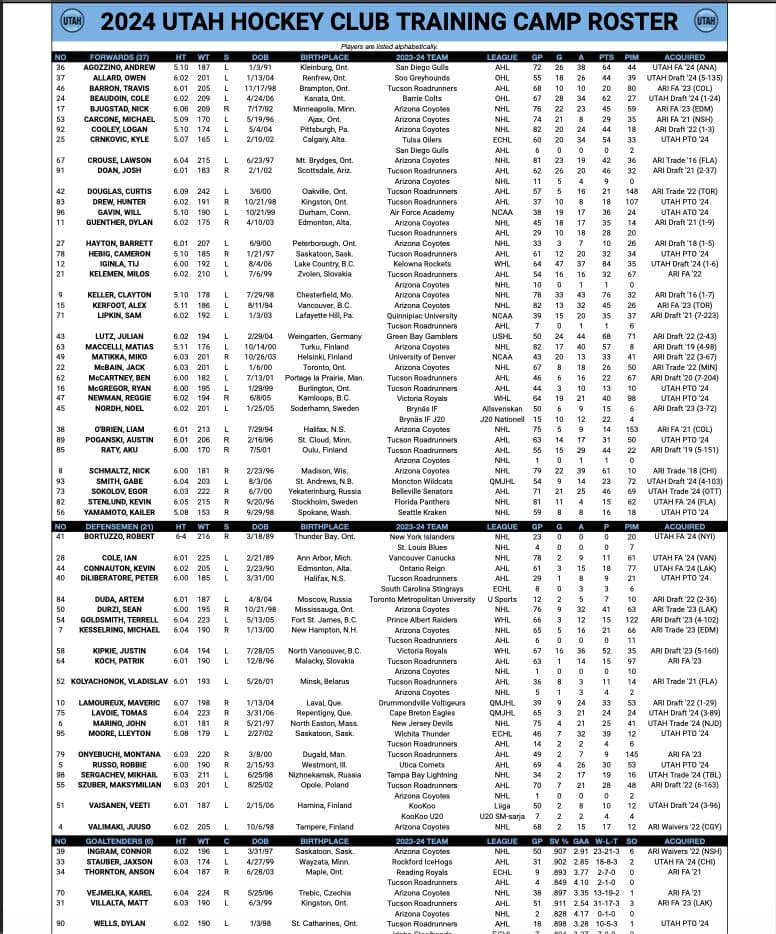
Colorado built a similar path into its 2025-26 rookie camp, with practices and rookie showcase games at South Suburban Sports Complex from September 12-14. Those showcase dates matter because they create an early filter: some players leave those sessions looking like quick AHL arrivals, while others stay in a longer developmental lane and have to earn a second look later.
When the tournament route changes, camp becomes the checkpoint
The development calendar does not look exactly the same every year. The Traverse City NHL Prospect Tournament did not take place in 2025, and Todd Spaulding said it would be the first time in more than 25 years that young prospects from NHL teams would not gather there to train and compete. Detroit Red Wings prospects instead traveled to Dallas to work out with Dallas Stars prospects, a useful reminder that the path from summer training to AHL camp can shift quickly.
Detroit’s own development camp showed how the organization frames that stretch. The Red Wings said 31 players went through four days of work at Little Caesars Arena’s BELFOR Training Center, and the team described the camp as helping guide young talent “in the right way.” That kind of language makes the point plainly: these sessions are not just showcases, they are the last controlled steps before prospects have to handle the speed, structure and competition of a pro environment like the AHL.
For NHL organizations, that is why the camp window matters more than the calendar suggests. A strong September can move a player from the edge of the depth chart into the first wave of injury insurance, a dependable call-up option or a candidate for bigger minutes before winter arrives. In a league that exists to feed the NHL, the teams that sort out those answers early usually buy themselves the deepest roster later.
This article was produced by Prism’s automated news system from verified source data, official records, and press releases, then run through automated quality and moderation checks before publishing. The system is built and supervised by the people who set the standards it runs under. Read our full AI policy.
Did this article answer your question?