Springfield’s upset run defines Calder Cup playoffs as favorites fall
Springfield’s shock of Providence has flipped the Calder Cup bracket, and the teams still standing are winning with goaltending, structure and road grit.

The playoff map has broken open
Springfield’s upset of Providence did more than extend a series. It shattered the assumption that regular-season order still meant anything in the Calder Cup Playoffs, where the field had already been cut to eight teams by May 12 and the division finals were underway. Providence, Ontario and Charlotte were all gone, and Springfield was still standing after taking down two top-five opponents.
That is the real story of this postseason: the favorites are not merely slipping, they are being exposed. The path to the Cup has stopped rewarding reputation and started rewarding teams that can survive chaos, win in tight buildings and lean on a goalie long enough for the rest of the game to tilt their way.
Springfield turned one series into a warning for the bracket
Springfield’s 3-1 series win over Providence was the clearest sign yet that the old hierarchy has collapsed. Game 4 ended in a 1-0 overtime win on May 7, the kind of result that leaves no room for argument and no room for the favorite to blame luck. The AHL called it the largest upset in Calder Cup Playoff history, and the number that explains why is simple: Providence finished 38 points ahead of Springfield in the regular season.
Georgi Romanov was the difference inside that upset. In the four-game series, he posted a 1.47 goals-against average and a .953 save percentage, numbers that tell the whole story of a team living on the edge and a goaltender refusing to let the edge give way. Springfield did not overpower Providence. It suffocated it, then waited for the one moment that mattered.
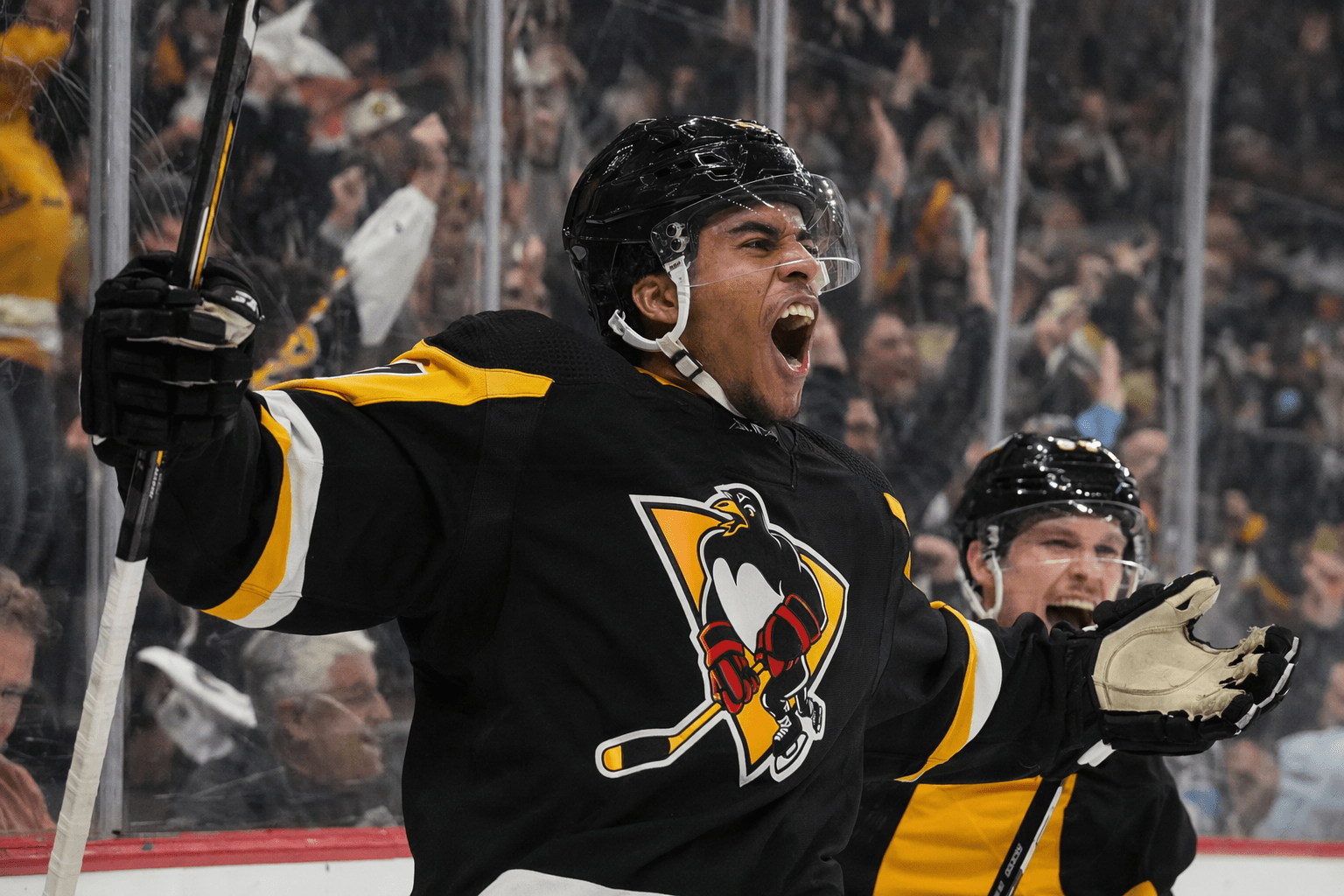
That is why the Thunderbirds’ run has felt bigger than a feel-good story. It has become a test case for the postseason itself, proof that a lower seed can not only survive but rewrite the terms of the round. Springfield then moved on to face Wilkes-Barre/Scranton in the Atlantic Division finals, where the Penguins answered first with a 2-0 win in Game 1 on May 12. Even there, the series still carries the feel of a team that has already proven it can drag a favorite into unfamiliar water.
Colorado is winning the way playoff teams usually have to win
If Springfield is the upset story, Colorado is the warning that even the teams built to be contenders have to be built the right way. The Eagles have reached this stage by choking off one of the league’s strongest regular-season attacks and turning every night into a goaltending referendum. Trent Miner has become the face of that identity.
On May 14, Miner recorded his fourth shutout of the postseason in Colorado’s 3-0 win over Coachella Valley. Through seven playoff starts, he had allowed just seven goals on 168 shots, good for a .958 save percentage. That is not just a hot run. It is the sort of crease work that can erase mistakes everywhere else on the ice.
Colorado led the Coachella Valley Firebirds 1-0 in the Pacific Division finals after Game 1 on May 13, and the message was obvious: the Eagles are not trying to outscore anyone into submission. They are trying to make the game smaller, slower and harder. For a team that has already had to deal with playoff disappointments in past springs, that matters. The difference now is that Colorado looks like a club that has learned how to survive the part of the calendar when offense gets compressed and every rebound matters.
The North Division is surviving by the narrowest margins
Toronto and Cleveland are the other reminders that this bracket is being shaped by pressure, not pedigree. Neither club has looked like it was cruising through the spring. Both have looked like teams that understand survival is enough if it buys another round.
Toronto knocked out Laval with a 3-2 Game 5 win on May 9 at Place Bell, and the winning goal came from Vinni Lettieri with 9:38 left in regulation. Artur Akhtyamov backed it up by stopping 20 shots, which fits the tone of the series: not explosive, not comfortable, but just enough when it counted. The Marlies were set to meet Cleveland in the North Division finals beginning May 14, and that matchup fit the postseason’s wider pattern perfectly.
Cleveland had already earned its rest the hard way. The Monsters advanced past Syracuse with a 2-1 triple-overtime win on May 3, one of those series-ending games that drains a club and then asks it to reset almost immediately. Instead, Cleveland got more than a week off before ramping up for Toronto, a break that could matter as the series wears on. In a postseason defined by short benches, tight checking and exhausted legs, recovery time can be just as valuable as momentum.
Why the favorites keep falling
The shape of these playoffs keeps pointing back to the same swing factors. Goaltending is the first one, and it is carrying more weight than almost any regular-season scoring rank ever could. Romanov’s series in Providence, Miner’s shutouts for Colorado and Akhtyamov’s steady hand for Toronto all show how far a strong crease can carry a team once the bracket tightens.
Structure is the second factor. The teams still alive are not simply riding talent. They are making games ugly, removing space and forcing opponents to win several different kinds of hockey in one night. Springfield’s upset and Colorado’s surge both reflect that, and so does Cleveland’s ability to endure a triple-overtime war and then come back for more.
The final factor is resilience on the road and in pressure games. Toronto won at Laval, Springfield won the kind of game that defines a series, and Colorado is handling postseason traffic like a club that expects the road to get even harder. That is why the bracket no longer looks like a seeding chart. It looks like a survival map.
And the larger backdrop makes the whole spring sharper. The American Hockey League has operated since 1936 and is in its 90th anniversary season in 2025-26, still serving as the top development league for all 32 NHL teams. Nearly 90 percent of NHL players are AHL graduates, which is exactly why this kind of playoff chaos matters. The Calder Cup is still where prospects, depth players and call-up hopefuls learn what survives when the game stops being about reputation and starts being about who can keep the puck out of the net one more time.
Know something we missed? Have a correction or additional information?
Submit a Tip