Tucson Roadrunners Extend Convention Center Lease Through 2027-28 Season
Tucson's Roadrunners secured another year at the Convention Center, keeping Meruelo's Reno relocation threat at bay until 2028-29 at the earliest.
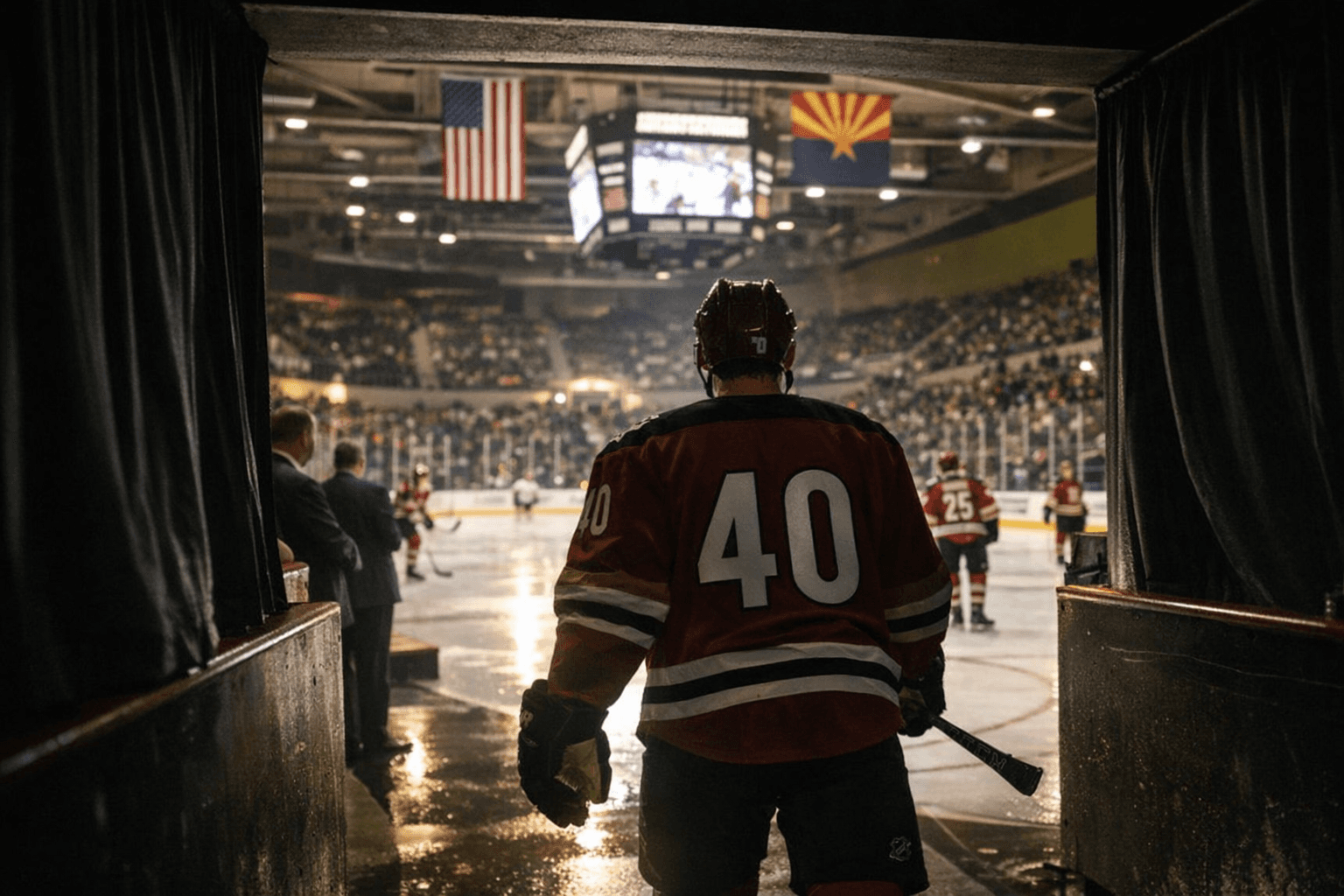
The relocation clock just got pushed back. The Tucson Roadrunners extended their lease at the Tucson Convention Center through the 2027-28 season, adding a concrete layer of stability to a franchise that has spent the better part of two years under a persistent cloud of relocation uncertainty. For season-ticket holders who had been buying in one season at a time, the agreement delivers something no amount of reassuring press releases had previously locked in: a firm scheduling commitment stretching nearly three years forward.
The extension matters most because of what was about to happen without it. The existing lease, amended in the summer of 2024 with Rio Nuevo, the downtown revitalization authority that owns the Convention Center, was set to expire after the 2026-27 season. That timing was not coincidental. Owner Alex Meruelo also owns the Grand Sierra Resort in Reno, Nevada, where a new arena is scheduled to open in the fall of 2027. For nearly two years, that alignment had fed persistent speculation that Meruelo would simply let the Tucson lease expire and relocate the Roadrunners into his new building. This extension pushes any such move to 2028-29 at the earliest, a deadline that now sits on the far side of GSR Arena's opening.
What the new lease does not resolve is the larger question of Meruelo's long-term intent. The Grand Sierra Resort Arena has never formally announced a full-time hockey tenant. Meruelo could still exit the Tucson lease early, though doing so would carry a significant financial penalty. The Roadrunners' affiliate partnership with the Utah Mammoth runs on its own separate timeline, adding a second variable for anyone trying to project what the franchise looks like beyond 2027-28.
The Roadrunners have called Tucson Arena home since the 2016-17 season, and in their 10th year at the venue, the franchise's attendance held at approximately 4,500 per home game, a figure that remained remarkably stable even after the Arizona Coyotes were sold and relocated to Salt Lake City in 2024. That resilience gave both the organization and the city real leverage in negotiating continued commitment. In the stands, fans had already started a movement to keep the Roadrunners in Tucson, with 3,500 signatures on a petition sent to the AHL board of governors over the summer of 2024, an unusually mobilized fan base for a minor-league club navigating this level of existential uncertainty.
The extended lease was signed with the Rio Nuevo group, the venue's owners, and through 2027-28 commits the Roadrunners to a minimum of 30 home games per season at Tucson Arena. That floor matters for season-ticket confidence in ways a year-to-year arrangement simply cannot replicate.
The next meaningful threshold arrives when Meruelo must decide whether to exercise renewal options beyond 2027-28, or whether the GSR Arena's opening presents a path he pursues regardless of the financial cost of breaking the lease. The extension does not guarantee an extended opening date for the GSR Arena but does ensure minor-league hockey would not come to Reno until 2028-29 at the earliest. Until then, Tucson Arena is the Roadrunners' home, and for the first time in recent memory, that statement has a contractual guarantee behind it.
This article was produced by Prism’s automated news system from verified source data, official records, and press releases, then run through automated quality and moderation checks before publishing. The system is built and supervised by the people who set the standards it runs under. Read our full AI policy.
Did this article answer your question?