Anson Dorrance shares pickleball basics as UNC embraces the sport
Anson Dorrance’s pickleball memo shows UNC treating the sport like part of campus life, not a fad. The basics he pushed already match how Carolina clubs teach the game.
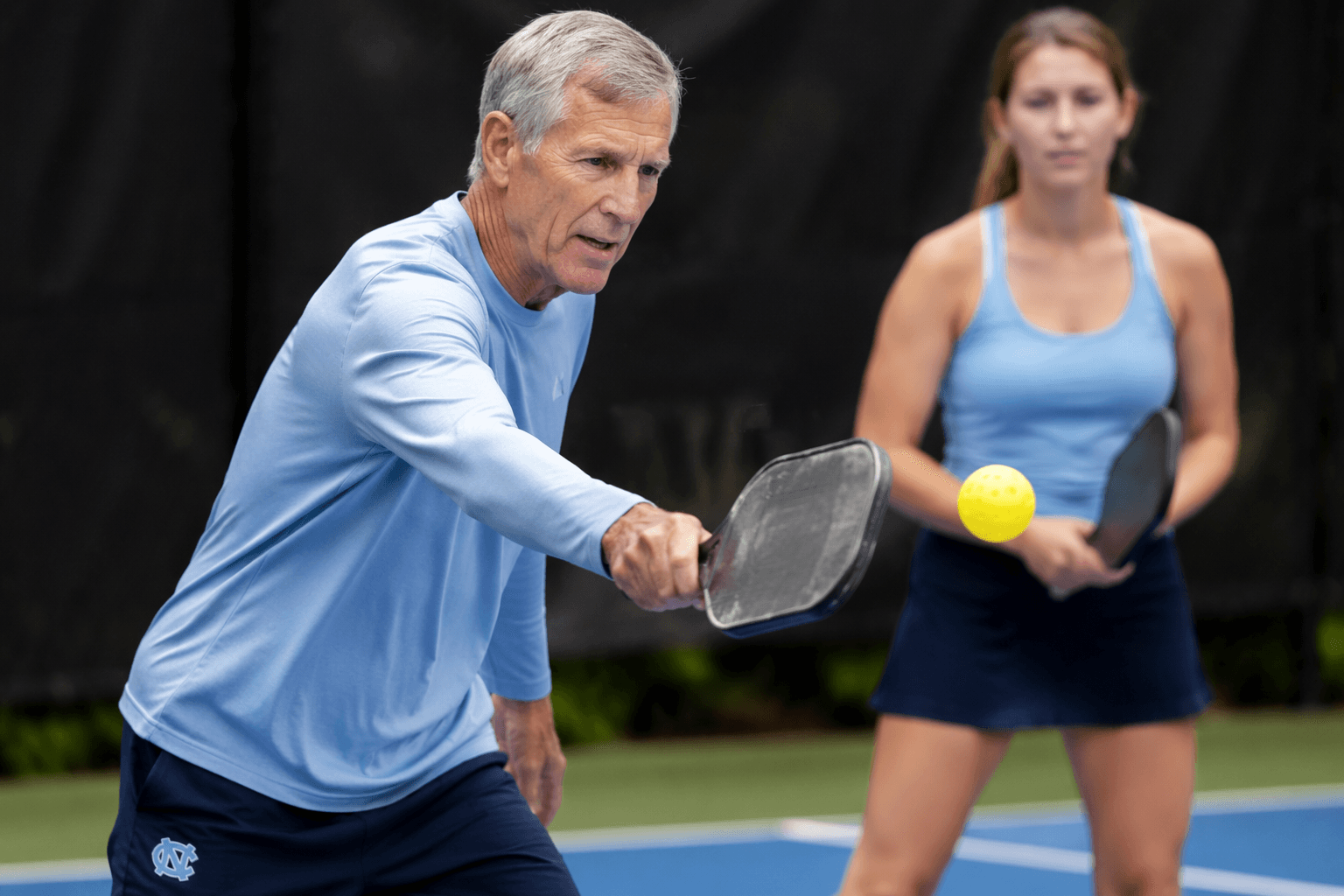
Anson Dorrance is retired from the sideline, but UNC is still treating his voice like a coaching asset. His all-staff pickleball email laid out the game’s golden principles, from the first three shots to dinking priorities and basic rules guidance, a sign that Carolina now sees the sport as part of campus culture, not a novelty. That matters at a school that says athletics are meant to educate and inspire, and it matters even more at a university where pickleball is already competitive, social and crowded.
UNC’s message is bigger than a hobby note
The fact that Dorrance is the messenger gives the email real weight. He retired in 2024 after 47 years as a head coach at Carolina, and his 21 NCAA women’s soccer championships are the most by any head coach in any Division I sport. When a coach with that kind of teaching pedigree starts breaking down pickleball fundamentals, the sport stops looking like a passing campus fad and starts looking like something the athletic department is comfortable formalizing.
That is the cultural tipping point here. UNC is not merely tolerating pickleball around the edges of student life, it is circulating the language of the sport internally, the way a major program would for any activity it thinks is worth understanding. In practical terms, that means the same basics being taught at clubs and rec centers are now good enough for a Hall of Fame-level coach to put in writing for an entire department.
The game starts with the first three shots
Dorrance’s focus on the first-three-shot strategy is exactly where amateur players tend to learn the sport the hard way. The opening sequence, serve, return and third shot, decides whether you are dictating points or reacting to them, and in pickleball that edge matters because the court is small and mistakes show up fast. The email’s dinking priorities point to the other half of the formula: patience, touch and the ability to keep the ball low until the other side blinks.
That is the part casual players often miss when they only see pickleball as a friendly rec-center game. The sport rewards discipline more than swing speed, and the best amateurs know when to slow a point down, reset it and wait for the right ball to attack. Rules guidance matters too, because pickleball hands out fewer free passes than most people expect, and the wrong read can cost a point before the rally really settles.
For Carolina, those are not abstract lessons. They are the same fundamentals that explain why the sport has caught on so quickly on campus, especially among players who already understand how structure and repetition turn into winning habits.
Carolina already had a real pickleball pipeline
UNC did not stumble into this moment from nowhere. Club Pickleball at UNC-Chapel Hill started in 2021 and already has both a social team and a competitive team, with the competitive roster carrying about 30 to 35 players. That is not a loose pickup scene, that is a functioning program with enough depth to support actual competition.
The club’s early results give Carolina even more credibility. Sarah Carpenter co-founded the club with Hunter Boyd, Caitlin Lewis and Collin Shick, and the group went on to win the first organized collegiate tournament in 2022 and the first DUPR Collegiate National Championship in 2022. For a sport still defining its college footprint, that is meaningful pedigree, and it helps explain why UNC’s internal embrace feels less like a novelty and more like a natural extension of what already exists on campus.
Alumni interest is turning the sport into a campus-wide habit
The momentum has not stayed inside the club. Carolina Alumni hosted a Learn Pickleball With Heels event that advertised two clinics of 12 participants each, and the setup was straightforward: paddles and balls would be supplied, with players meeting on the South Campus Recreation Complex courts. That is the kind of detail that matters because it shows the sport is being packaged for beginners, not just the already-converted.
It also highlights the pressure on infrastructure. Carolina has had no designated permanent pickleball court on campus, and public court access in Chapel Hill has been limited enough that wait times at the only public court have sometimes stretched to 45 minutes. When demand outpaces court space that badly, every organized clinic becomes more than a lesson, it becomes evidence that the sport has already outgrown the casual label.
What UNC’s pickleball moment says about the sport
Pickleball is one of the fastest-growing sports in America, and UNC is now treating it like a normal part of athletic life, alumni programming and campus recreation. That is the real story behind Dorrance’s email: not just that a legendary coach knows the fundamentals, but that a major university considers those fundamentals worth spreading across its own system.
The sport’s spread at Carolina is being driven by the same things that make it grow everywhere else, accessible entry, quick learning and a competitive ceiling that is higher than outsiders assume. With a club that has already won early college titles, alumni events filling small clinic slots and court access still lagging behind demand, UNC is showing what pickleball looks like when it stops being a trend and starts becoming part of the institution.
This article was produced by Prism’s automated news system from verified source data, official records, and press releases, then run through automated quality and moderation checks before publishing. The system is built and supervised by the people who set the standards it runs under. Read our full AI policy.
Did this article answer your question?


